TRENDING

Monday, 5 October 2026
----------------------
24 Rabi' Al-Thani 1448 AH
Yemen’s government forces have halted the Houthi push in the mountains of Taiz, but the stalemate masks a deeper scramble for resources and legitimacy. As Saudi backing wavers, ordinary Yemenis face mounting hardship on the frontlines.
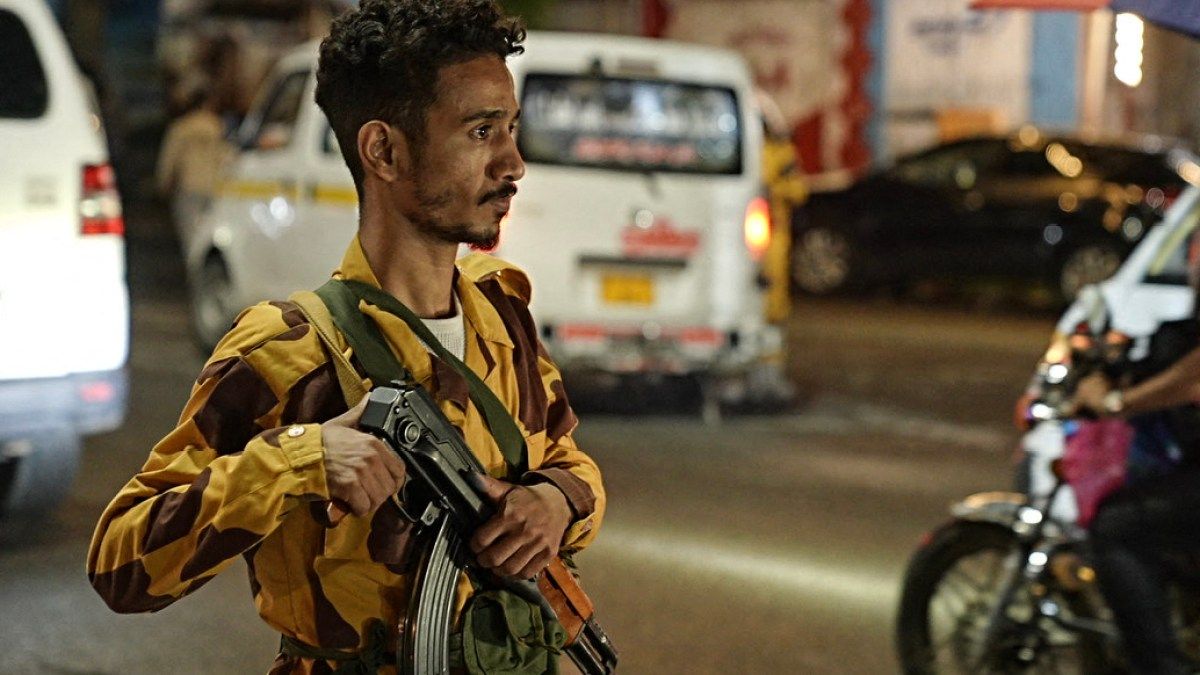
The Houthis seized key stretches of the Red Sea coast in September, threatening the Bab al‑Mandeb shipping lane. Within weeks, Yemen’s internationally recognised government forces regrouped in the mountainous terrain of Taiz and Lahj, repelling further Houthi advances and claiming heavy rebel losses. Despite a public call for a general mobilisation by the Presidential Leadership Council, frontline troop numbers have not yet swelled, and combat has settled into a war of attrition over roads and supply routes.
The conflict’s current shape reflects a tug‑of‑war between regional patrons and local survival strategies. Iran continues to funnel weapons and advisory support to the Houthis, using the Red Sea foothold as leverage over international shipping and a bargaining chip in broader Middle‑East negotiations. Across the border, Saudi Arabia funds the Yemeni government but is reluctant to launch a full‑scale counter‑offensive, preferring a gradual buildup that limits Saudi casualties and domestic political fallout. The U.S. watches the Bab al‑Mandeb corridor for its own energy security interests, providing intelligence and limited air‑strike capabilities while avoiding a deeper ground commitment. This three‑way patronage creates a delicate balance: the Yemeni army must appear capable enough to justify Saudi aid, the Houthis need to demonstrate that their Red Sea gains are sustainable, and external powers seek to keep the conflict from spilling into a wider regional war.
In the shadow of artillery fire, Taiz civilians endure daily shortages of water, medicine, and food. Displaced families, many of whom fled the coastal towns after the Houthis’ advance, now camp in makeshift shelters on the mountain slopes, where winter temperatures plunge below freezing. Farmers who once cultivated terraced fields report destroyed irrigation channels and loss of livestock, cutting off a vital source of income for the region’s already fragile economy. The prolonged stalemate means that humanitarian convoys, already hampered by security checks, face longer delays, leaving children with chronic malnutrition and patients without essential treatments.
Official briefings from government statements stress a “steady march toward victory,” yet they omit the growing strain on Saudi subsidies that fund salaries, fuel, and equipment for the Yemeni army. Behind the scenes, Saudi officials are recalibrating their budget allocations, wary of domestic criticism over endless war spending. Meanwhile, the media narrative downplays the extent of internal dissent within anti‑Houthi militias, many of which are fragmented along tribal and sectarian lines, limiting their ability to mount coordinated offensives. The omission of these fractures creates a perception of unity that does not match on‑ground realities, allowing external backers to continue funding a war that yields diminishing strategic returns.
UN monitors are set to renew their access negotiations for the next six months, a process that could reveal new data on civilian casualties and infrastructure damage. Watch for shifts in regional naval patrols around Bab al‑Mandeb, as any increase may signal renewed international pressure on the Houthis to withdraw. Finally, fluctuations in oil prices will likely influence Saudi Arabia’s willingness to deepen its military involvement; a sustained price drop could accelerate a pull‑back, leaving the Yemeni government to fend for itself and potentially reshaping the frontlines once more.
The loss stemmed from a coordinated defensive effort by Yemeni government forces, bolstered by Saudi air support and the difficult mountainous terrain that slowed Houthi supply lines, forcing them to retreat from key ports.
The mobilisation has brought reserve personnel and civilian volunteers back into the army, but the influx is still early and has not yet translated into significant frontline reinforcements, leaving combat largely unchanged.
Editor's Note: Analysis based on available reports up to October 2026; future developments may alter power dynamics.
Source referenced: ALJAZEERA
This brief was synthesized by our Editorial Engine and reviewed by The Ground Narrative team.


