TRENDING

Sunday, 25 October 2026
----------------------
14 Jumada Al-Awwal 1448 AH
A devastating wildfire in Le Porge, France, has sparked outrage among residents who feel their village was 'sacrificed' to protect the affluent Cap Ferret peninsula. The incident highlights regional inequality and the strategic priorities of the French government.
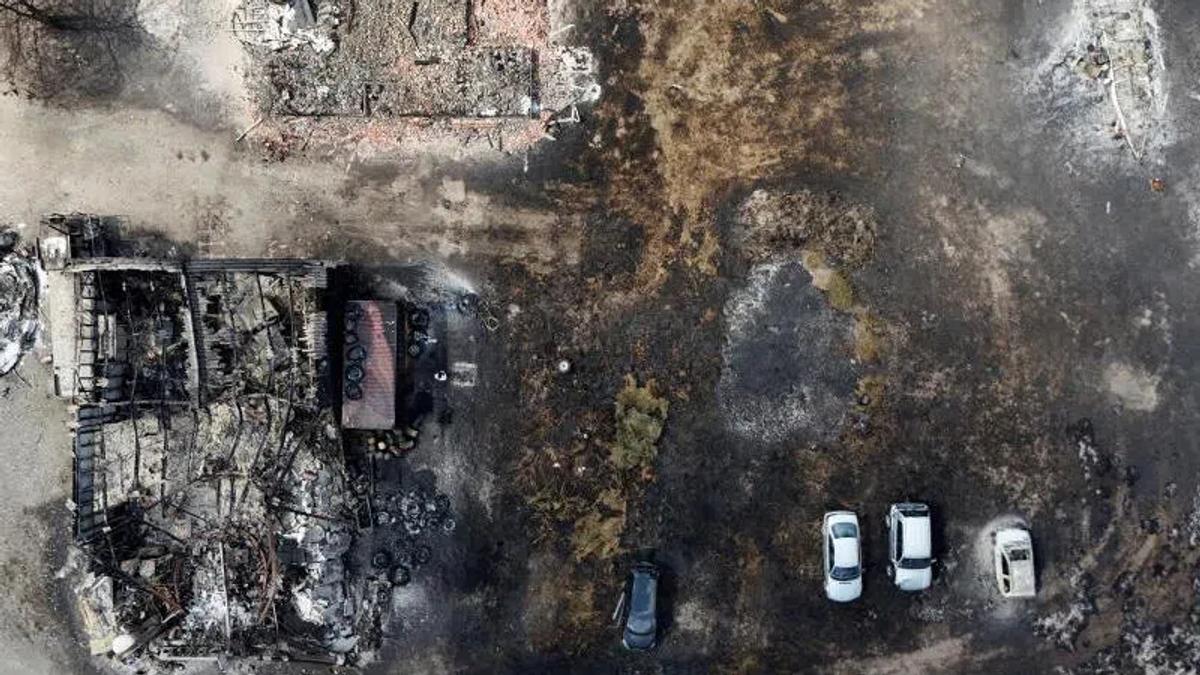
The recent wildfires in Le Porge, a village in the Gironde department of southwestern France, have left a trail of destruction and a sense of betrayal among its residents. The blaze, which has been described as France's worst wildfire since 1949, has incinerated 12% of the village's 1,500 buildings, leaving many without homes or livelihoods.
The residents of Le Porge, a village with a year-round population of 3,700, were disproportionately affected by the wildfire. The village's proximity to the Cap Ferret peninsula, a popular destination for the wealthy, has led many to believe that their homes were 'sacrificed' to protect the peninsula's millionaires' homes.
The wildfire, which began in mid-July, spread rapidly due to strong winds and dry conditions. The fire department's initial response focused on protecting the Cap Ferret peninsula, which was deemed a higher priority due to its economic and tourist significance. However, this decision has been met with anger and mistrust from the residents of Le Porge, who feel that their village was abandoned in the face of the disaster.
The wildfire began on July 24, and the situation has been escalating ever since. The fire department's initial response was criticized for being slow and inadequate, leading to widespread destruction and loss of life.
The wildfire occurred in the Gironde department of southwestern France, specifically in the villages of Le Porge and Le Temple.
The wildfires in Le Porge have exposed deep-seated regional inequality and the strategic priorities of the French government. The decision to prioritize the protection of the Cap Ferret peninsula over the village of Le Porge has led to widespread outrage and mistrust among the residents. This incident highlights the need for a more equitable distribution of resources and a more effective emergency response system.
The wildfire was exacerbated by strong winds and dry conditions, which made it difficult for firefighters to contain the blaze. The initial response from the fire department was criticized for being slow and inadequate, leading to widespread destruction and loss of life.
The wildfires in Le Porge have significant implications for regional inequality and the strategic priorities of the French government. The incident highlights the need for a more equitable distribution of resources and a more effective emergency response system. It also raises questions about the government's priorities and whether they are truly committed to protecting the most vulnerable communities.
The wildfires in Le Porge are a stark reminder of the deep-seated regional inequality that exists in France. The incident highlights the need for a more equitable distribution of resources and a more effective emergency response system. It also raises questions about the government's priorities and whether they are truly committed to protecting the most vulnerable communities.
Source referenced: STRAITSTIMES
This brief was synthesized by our Editorial Engine and reviewed by The Ground Narrative team.