TRENDING

Tuesday, 6 October 2026
----------------------
25 Rabi' Al-Thani 1448 AH
Twin earthquakes have struck northern Venezuela, including the critical port region of La Guaira, causing widespread destruction and compounding the nation's severe economic and humanitarian challenges. The natural disaster threatens to further destabilize a country already grappling with political isolation, international sanctions, and a profound socio-economic crisis, potentially triggering increased international aid efforts and diplomatic complexities.
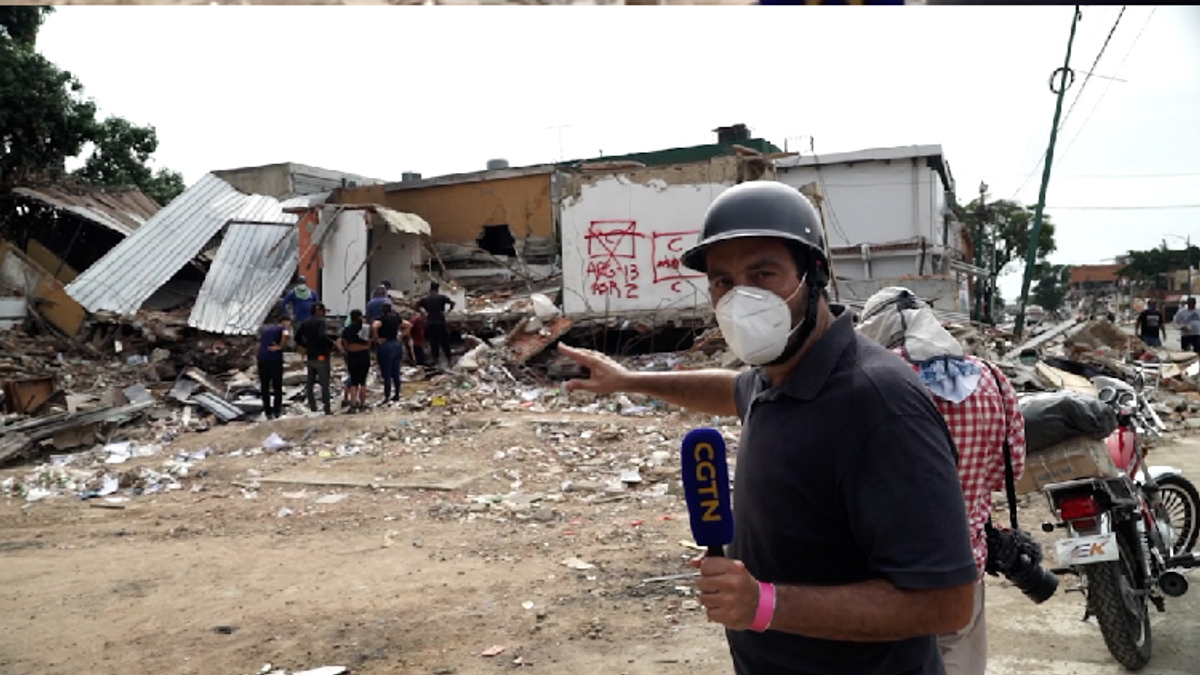
On July 2, 2026, northern Venezuela was struck by a series of twin earthquakes, leading to significant destruction across the region. Reports from CGTN's Paulo Cabral in La Guaira, a vital port city, depicted scenes of devastation, with numerous buildings completely collapsed and many others severely damaged, their walls and windows blown out. This natural catastrophe has unfolded in a nation already teetering on the brink of a profound humanitarian and economic crisis, amplifying existing vulnerabilities and posing complex challenges for both domestic governance and international relations.
The impact of these earthquakes extends far beyond immediate structural damage. Venezuela has been mired in a protracted socio-economic crisis for years, characterized by hyperinflation, widespread poverty, food and medicine shortages, and a mass exodus of its population. The country's infrastructure, already strained by underinvestment and neglect, is particularly susceptible to natural disasters. The destruction in key areas like La Guaira, a gateway for imports and exports, threatens to further cripple supply chains and economic activity, deepening the humanitarian emergency.
The government's capacity to respond effectively to such a large-scale disaster is severely constrained by its limited financial resources, which have been depleted by economic mismanagement and international sanctions. The immediate need for emergency relief, shelter, medical aid, and long-term reconstruction will place immense pressure on an already overstretched public sector. This situation could exacerbate public discontent and potentially challenge the stability of the current administration, which has struggled to address the nation's ongoing crises.
The earthquakes introduce a new layer of complexity to Venezuela's already intricate geopolitical landscape. The immediate aftermath of such a disaster often opens avenues for international humanitarian assistance, which can carry significant diplomatic implications. While Venezuela's traditional allies, such as China, Russia, and Cuba, are likely to offer support, the scale of the destruction might necessitate broader international engagement.
This could present a delicate diplomatic tightrope walk for the Venezuelan government, which has largely been isolated by Western powers due to political disputes and human rights concerns. Accepting aid from a wider array of international actors, including those with whom relations are strained, could offer a temporary thaw in diplomatic relations or, conversely, become a point of contention regarding the terms and conditions of assistance. The international community, particularly neighboring countries grappling with the Venezuelan migrant crisis, will be closely watching the government's response and the potential for further regional instability caused by increased displacement or humanitarian needs.
The long-term recovery effort will be monumental. Rebuilding damaged infrastructure, housing, and public services will require substantial investment and technical expertise, resources that are scarce within Venezuela. The ability of the government to secure and effectively utilize international aid will be critical. A failure to manage the recovery could lead to prolonged suffering, further internal migration, and an acceleration of the outward flow of refugees, placing additional strain on host countries in Latin America.
Moreover, the disaster could impact Venezuela's strategic assets, particularly its oil infrastructure, if critical facilities in the northern regions were affected. Any disruption to oil production or export capabilities would further undermine the country's primary source of revenue, complicating any path to economic recovery. The twin earthquakes serve as a stark reminder of the compounding vulnerabilities faced by nations already in crisis, where natural disasters can quickly transform into catalysts for deeper geopolitical and humanitarian challenges, demanding a nuanced and coordinated international response.
The twin earthquakes in northern Venezuela represent a critical juncture for a nation already in distress. Beyond the immediate human toll and physical destruction, the disaster has profound implications for Venezuela's economic stability, political legitimacy, and its complex relationship with the international community. The coming months will test the resilience of the Venezuelan people and the capacity of its government, while also challenging the global community to navigate the delicate balance between humanitarian imperatives and geopolitical considerations in a deeply fractured nation.
Source referenced: CGTN
This brief was synthesized by our Editorial Engine and reviewed by The Ground Narrative team.