TRENDING

Monday, 5 October 2026
----------------------
24 Rabi' Al-Thani 1448 AH
The devastating earthquakes in Venezuela have claimed over 2,295 lives and injured over 11,000, raising concerns about the country's infrastructure, humanitarian response, and regional implications.
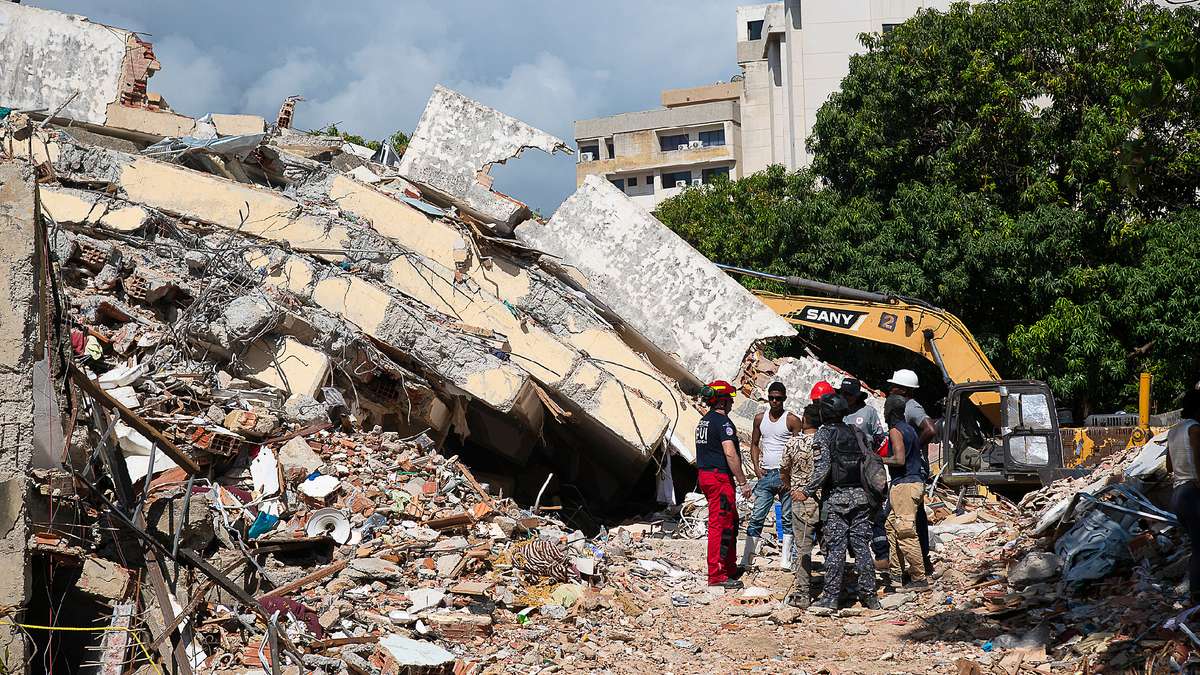
The recent earthquakes in Venezuela have exposed the country's deep-seated vulnerabilities, leaving a trail of destruction and a staggering death toll of 2,295. The sheer scale of the disaster has overwhelmed the government's response, with over 11,000 injured and 12,841 affected people in need of assistance.
Venezuela's infrastructure has been crippled by years of mismanagement, corruption, and economic misfortune. The country's crumbling buildings, roads, and bridges have made it a ticking time bomb, waiting to unleash its fury on the population. The earthquakes have laid bare the consequences of this neglect, with entire neighborhoods reduced to rubble and thousands left homeless.
The humanitarian response to the disaster has been slow and inadequate, with many aid workers and volunteers struggling to reach affected areas. The government's efforts to establish temporary camps have been hampered by a lack of resources, infrastructure, and coordination. The situation is further complicated by the country's ongoing economic crisis, which has left many Venezuelans without access to basic necessities like food, water, and medicine.
The earthquakes have sent shockwaves throughout the region, with neighboring countries scrambling to respond to the crisis. The international community has pledged support, but the scale of the disaster has raised concerns about the country's ability to absorb aid and respond to the needs of its people. The situation has also highlighted the need for greater regional cooperation and coordination in the face of natural disasters.
The earthquakes have served as a stark reminder of the government's failure to prioritize the needs of its people. The disaster has exposed the deep-seated corruption and mismanagement that has plagued the country for years, leaving many Venezuelans without access to basic services and infrastructure. The government must take immediate action to address the humanitarian crisis, invest in infrastructure, and prioritize the needs of its people.
The earthquakes have also highlighted the need for a long-term solution to Venezuela's infrastructure and humanitarian challenges. The country requires a comprehensive plan to rebuild and restore its infrastructure, as well as a commitment to transparency, accountability, and good governance. The international community must also play a role in supporting the country's recovery efforts, providing aid and technical assistance to help Venezuela build back better.
The earthquakes in Venezuela have been a devastating reminder of the country's vulnerabilities and the need for urgent action. The government must take immediate responsibility for addressing the humanitarian crisis, investing in infrastructure, and prioritizing the needs of its people. The international community must also play a role in supporting the country's recovery efforts, providing aid and technical assistance to help Venezuela build back better.
Editor's Note: The analysis is based on available data and reports, but some aspects of the humanitarian response and government accountability may be subject to uncertainty.
Source referenced: CGTN
This brief was synthesized by our Editorial Engine and reviewed by The Ground Narrative team.