TRENDING

Monday, 5 October 2026
----------------------
24 Rabi' Al-Thani 1448 AH
A sports stadium in Venezuela's La Guaira state has been converted into a major shelter for thousands displaced by recent earthquakes, underscoring the severe humanitarian challenges and the nation's capacity to respond to large-scale disasters amidst existing economic and political complexities.
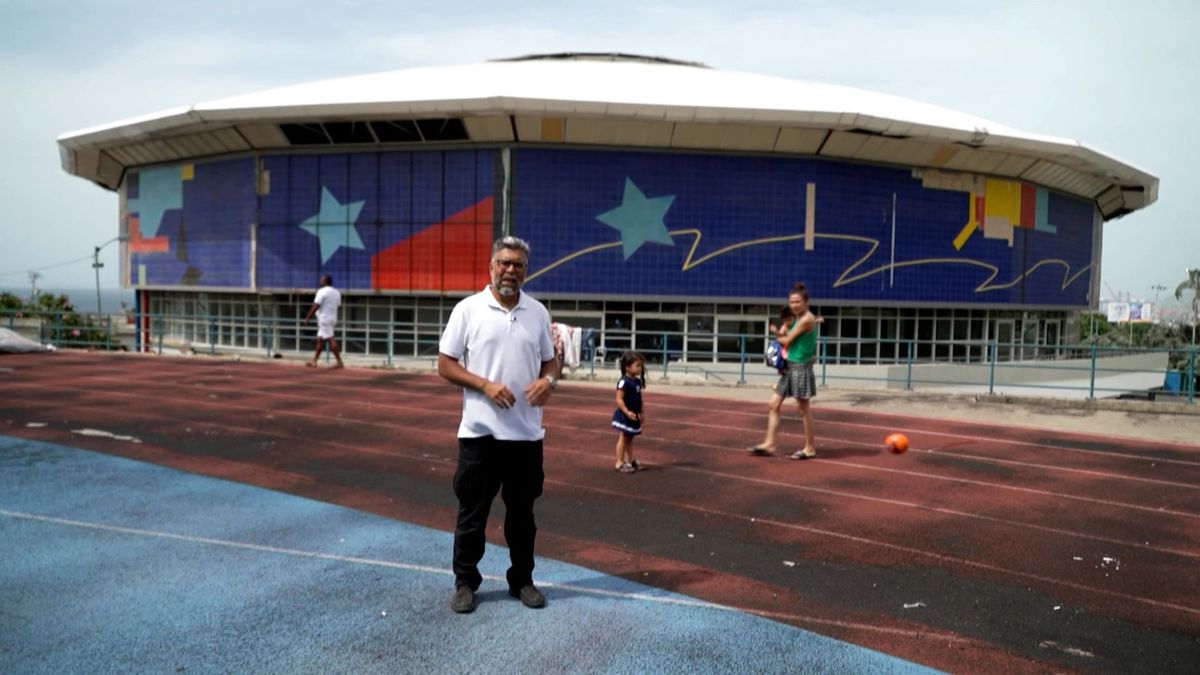
In the wake of devastating earthquakes, a significant humanitarian crisis has emerged in Venezuela, particularly in La Guaira state. As reported on July 6, 2026, a sports stadium has been repurposed into a sprawling makeshift home and logistics center, accommodating thousands of individuals displaced by the seismic events. This immediate and large-scale conversion highlights the profound impact of the disaster and the urgent need for shelter and support for affected populations. Aid organizations are reportedly planning to replicate this model for other shelters, indicating the extensive nature of the displacement and the coordinated effort required to manage the crisis.
The decision to utilize a sports stadium as a primary shelter underscores the severity of the housing and infrastructure damage caused by the earthquakes. While such conversions are common in immediate disaster response, the scale and the intention to use this as a model suggest a prolonged need for temporary housing solutions. This situation places immense pressure on local and national authorities, as well as international aid groups, to provide not only immediate relief but also sustainable recovery pathways for the affected communities.
The humanitarian crisis in Venezuela is not isolated but intersects with the nation's complex geopolitical and economic landscape. Venezuela has faced significant internal challenges, including economic instability, hyperinflation, and political polarization, which have strained its public services and infrastructure for years. A natural disaster of this magnitude exacerbates these pre-existing vulnerabilities, potentially overwhelming the state's capacity for effective disaster management and long-term reconstruction.
The reliance on aid organizations and the development of 'model shelters' point to a potential gap in the state's independent disaster preparedness and response capabilities. This could open avenues for increased international engagement, both in terms of humanitarian aid and potentially diplomatic outreach. How the Venezuelan government navigates this crisis, including its willingness to accept and coordinate international assistance, will be closely watched by regional and global actors. Effective and transparent management of aid could serve to rebuild trust and foster cooperation, while any perceived mismanagement could further complicate Venezuela's international standing.
The displacement of thousands of people within La Guaira state raises concerns about potential internal migration patterns and, in a broader context, cross-border movements. Historically, large-scale humanitarian crises in Venezuela have contributed to significant outward migration, impacting neighboring countries such as Colombia, Brazil, and Ecuador. While the immediate focus is on internal displacement, a prolonged or poorly managed recovery could trigger further population movements, adding pressure to already strained social services and border management in the region.
For neighboring nations, a humanitarian crisis in Venezuela represents a potential source of regional instability. The need for coordinated regional responses to disaster relief and potential migration flows becomes paramount. This situation could either foster greater regional cooperation on humanitarian issues or, if mishandled, exacerbate existing tensions and challenges related to border security and resource allocation among South American countries.
The immediate response, while critical, is only the first phase of a much longer recovery process. The earthquakes have likely caused extensive damage to critical infrastructure, including housing, transportation networks, and public utilities. Rebuilding these essential services in a country already grappling with economic constraints presents a formidable challenge. The long-term recovery will require substantial financial investment, technical expertise, and robust governance to ensure that new infrastructure is resilient to future seismic events.
Furthermore, the crisis highlights the importance of proactive disaster risk reduction strategies. For a nation located in a seismically active zone, investing in earthquake-resistant building codes, early warning systems, and community preparedness programs is crucial. The current situation in La Guaira serves as a stark reminder of the human and economic costs of inadequate infrastructure resilience and the urgent need for comprehensive national strategies to mitigate the impact of natural disasters.
The conversion of a sports stadium into a shelter in La Guaira is a poignant symbol of the immediate human cost of the Venezuela earthquakes. Beyond the immediate humanitarian imperative, this crisis carries significant geopolitical and economic implications. It tests the Venezuelan state's capacity, influences its international relations, and poses potential challenges to regional stability through migration and resource strain. The path to recovery will be long and complex, demanding sustained national effort and potentially extensive international cooperation to rebuild lives, infrastructure, and foster greater resilience against future natural calamities.
Source referenced: ALJAZEERA
This brief was synthesized by our Editorial Engine and reviewed by The Ground Narrative team.


