TRENDING

Sunday, 4 October 2026
----------------------
23 Rabi' Al-Thani 1448 AH
Following devastating twin earthquakes in Venezuela, the local Chinese community has actively joined humanitarian efforts, a move that underscores both immediate relief needs and the broader geopolitical dynamics of China-Venezuela relations.
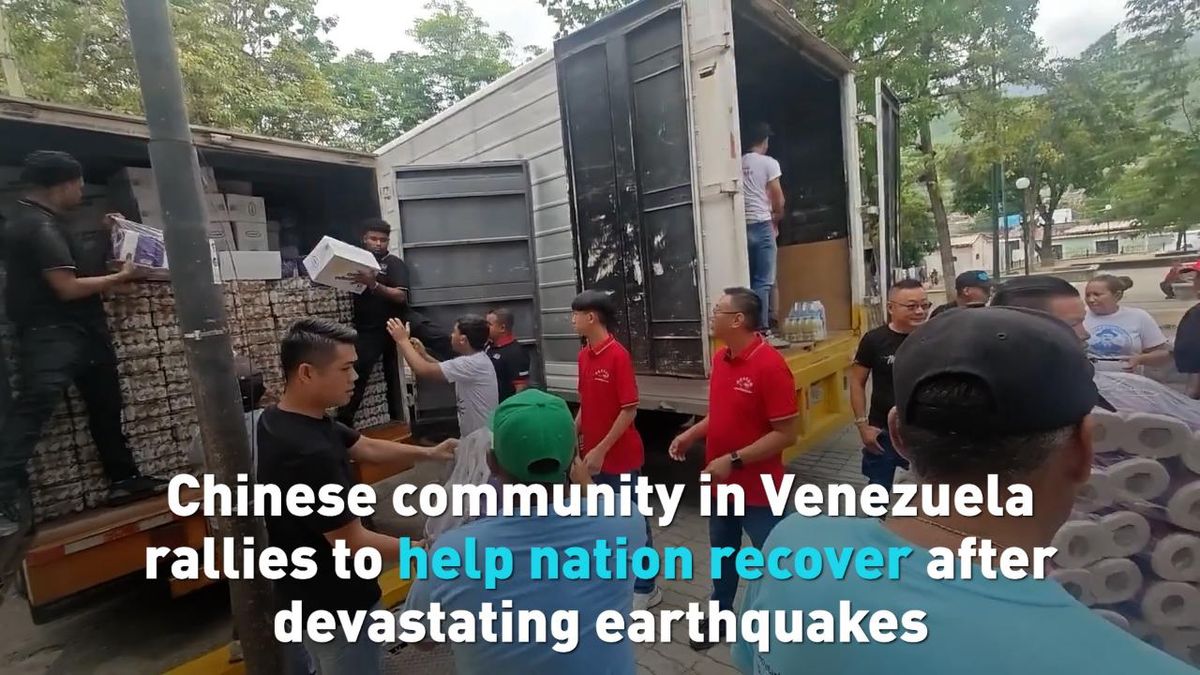
More than a week after twin earthquakes struck Venezuela, the nation is grappling with a profound humanitarian crisis. The catastrophic events have claimed over 2,000 lives, with thousands more reported missing, as rescue efforts continue to diminish hopes of finding additional survivors. In response to this immense tragedy, a massive humanitarian operation has been mobilized, drawing support from various local organizations, notably including the Chinese Venezuelan community.
The earthquakes, which occurred more than a week prior to the July 3, 2026 report, have left a trail of destruction across Venezuela. The death toll, exceeding 2,000, signifies a major national disaster, placing immense strain on the country's already fragile infrastructure and public services. The ongoing search for thousands of missing persons highlights the widespread impact and the urgent need for sustained relief efforts. The capital, Caracas, where CGTN's Stephen Gibbs reported from, is likely a focal point for both the disaster's impact and the subsequent humanitarian response.
The active participation of the Chinese Venezuelan community in the humanitarian response is a significant development. While primarily a local initiative driven by compassion and solidarity, it also carries broader geopolitical implications. Diaspora communities often play a crucial role in disaster relief, leveraging their networks, resources, and cultural ties to provide aid. For the Chinese community in Venezuela, their efforts extend beyond immediate charitable acts; they subtly reinforce the deep and multifaceted relationship between China and Venezuela.
Venezuela has long been a crucial strategic partner for China in Latin America. This partnership is rooted in several key areas: energy security, with Venezuela possessing vast oil reserves; economic cooperation, involving significant Chinese investments in Venezuelan infrastructure and industries; and geopolitical alignment, as both nations have at times found themselves at odds with Western powers, particularly the United States. China's engagement in Venezuela is part of its broader strategy to expand its influence in Latin America, secure resources, and promote its model of global governance.
The involvement of the Chinese diaspora in humanitarian aid efforts, while seemingly localized, can be viewed through the lens of China's soft power projection. By demonstrating solidarity and providing tangible support during a crisis, Beijing, through its diaspora, cultivates goodwill and strengthens bilateral ties at a grassroots level. This reinforces China's image as a responsible global actor and a reliable partner, particularly in regions where it seeks to deepen its strategic presence. Such actions complement official state-to-state aid and investment, creating a more comprehensive and resilient relationship.
The devastating earthquakes will undoubtedly compound Venezuela's existing economic and political fragilities. The country has faced years of hyperinflation, political instability, and a humanitarian crisis that has led to a mass exodus of its citizens. A major natural disaster of this scale will further strain resources, potentially exacerbating social unrest and increasing the need for international assistance. The response from international partners, including the support channeled through diaspora communities, becomes critical in mitigating these risks and contributing to regional stability.
The humanitarian crisis unfolding in Venezuela following the twin earthquakes is a stark reminder of the vulnerability of nations to natural disasters. The response from the Chinese Venezuelan community, while a testament to human solidarity, also serves as a subtle yet significant indicator of the enduring and evolving geopolitical relationship between China and Venezuela. It highlights how humanitarian action can intertwine with strategic interests, reinforcing diplomatic ties and projecting soft power in a complex global landscape. As Venezuela embarks on a long road to recovery, the nature and source of international support will continue to shape its future trajectory and its place within the broader geopolitical order.
Source referenced: CGTN
This brief was synthesized by our Editorial Engine and reviewed by The Ground Narrative team.