TRENDING

Monday, 5 October 2026
----------------------
24 Rabi' Al-Thani 1448 AH
The US has revoked over 175,000 visas since January 2025, citing law enforcement encounters and various crimes. This move is part of the Trump administration's tightened immigration policies, leaving thousands of individuals and families in limbo. The human cost of these revocations extends beyond the numbers, affecting not just the individuals but also their loved ones and the communities they are a part of.
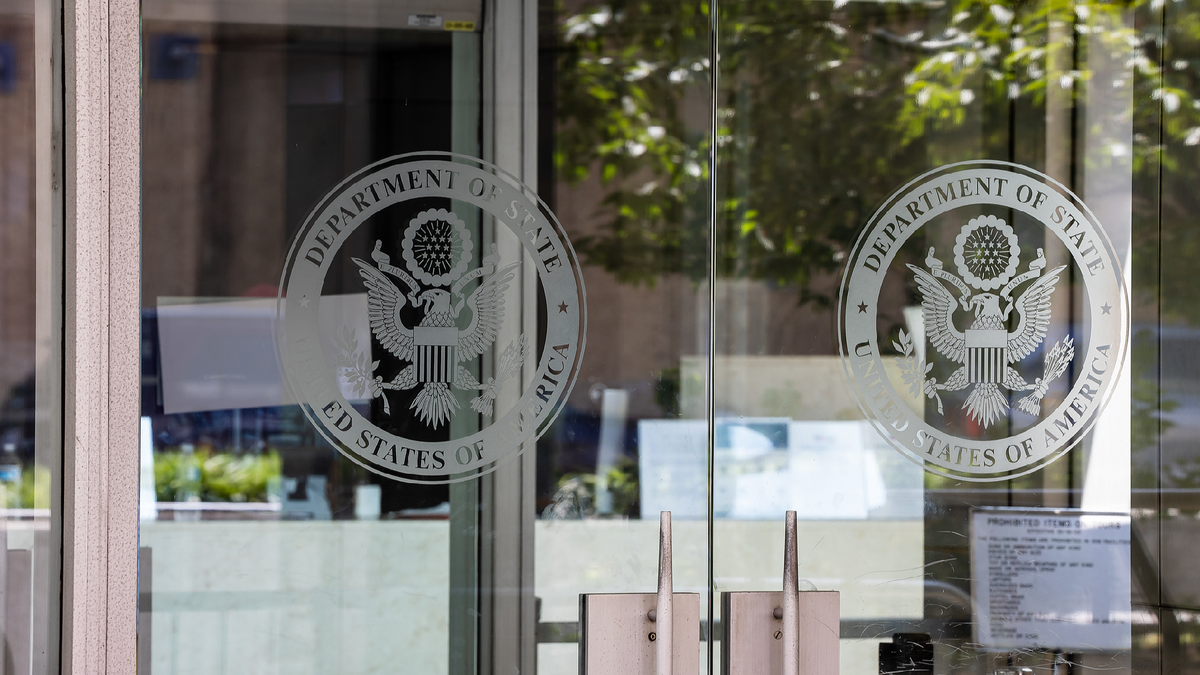
The US State Department has announced the revocation of more than 175,000 visas since the beginning of President Trump's second term in January 2025. The majority of these revocations are attributed to law enforcement encounters for a range of criminal activities, including assault, driving under the influence, theft, and drug crimes.
This significant increase in visa revocations is a manifestation of the Trump administration's commitment to stricter immigration policies. By emphasizing that a US visa is a privilege, not a right, the administration underscores its stance on using all available tools to protect American communities from those deemed to abuse this privilege. This approach reflects a broader strategy aimed at tightening borders and enforcing compliance with US laws, particularly for those already within the country on visas.
Beyond the statistics, the human impact of these visa revocations is profound. Individuals and families who have built their lives in the US, contributed to the economy, and formed communities are now facing uncertainty and potential separation. The abrupt nature of these revocations can lead to immediate disruptions in employment, education, and healthcare, affecting not just the visa holders but also their dependents and the broader community. The emotional toll of facing deportation and the potential of being torn away from loved ones cannot be overstated.
What is often downplayed in discussions about visa revocations is the complexity of the situations leading to these decisions. Many individuals may have been convicted of minor offenses or have since rehabilitated, yet the system often lacks the nuance to consider these factors. Furthermore, the emphasis on law enforcement encounters overlooks the systemic issues within the US justice system, such as racial disparities and the challenges faced by immigrants in navigating legal proceedings. The narrative of 'abuse' of the visa system simplifies the multifaceted reasons behind criminal activity and overlooks the role of socioeconomic factors.
As the Trump administration continues to enforce stricter immigration policies, it is crucial to monitor the impact on communities and the economy. The effects of these policies on international relations, particularly with countries whose citizens are most affected by the visa revocations, should also be observed. Furthermore, any legal challenges to these policies and the response of the US judicial system will be significant in determining the future trajectory of immigration enforcement in the country.
Editor's Note: The analysis is based on publicly available data and may not reflect the full complexity of individual cases or the most current developments in US immigration policy.
Source referenced: CGTN
This brief was synthesized by our Editorial Engine and reviewed by The Ground Narrative team.