TRENDING

Thursday, 22 October 2026
----------------------
11 Jumada Al-Awwal 1448 AH
US President Donald Trump has issued a stern warning of 'major military punishment' against Iran and Yemen's Houthi rebels following Houthi missile and drone strikes on Saudi oil tankers in the Red Sea. The escalation underscores the volatile nature of the broader Middle East conflict and its profound implications for global energy security and maritime stability.
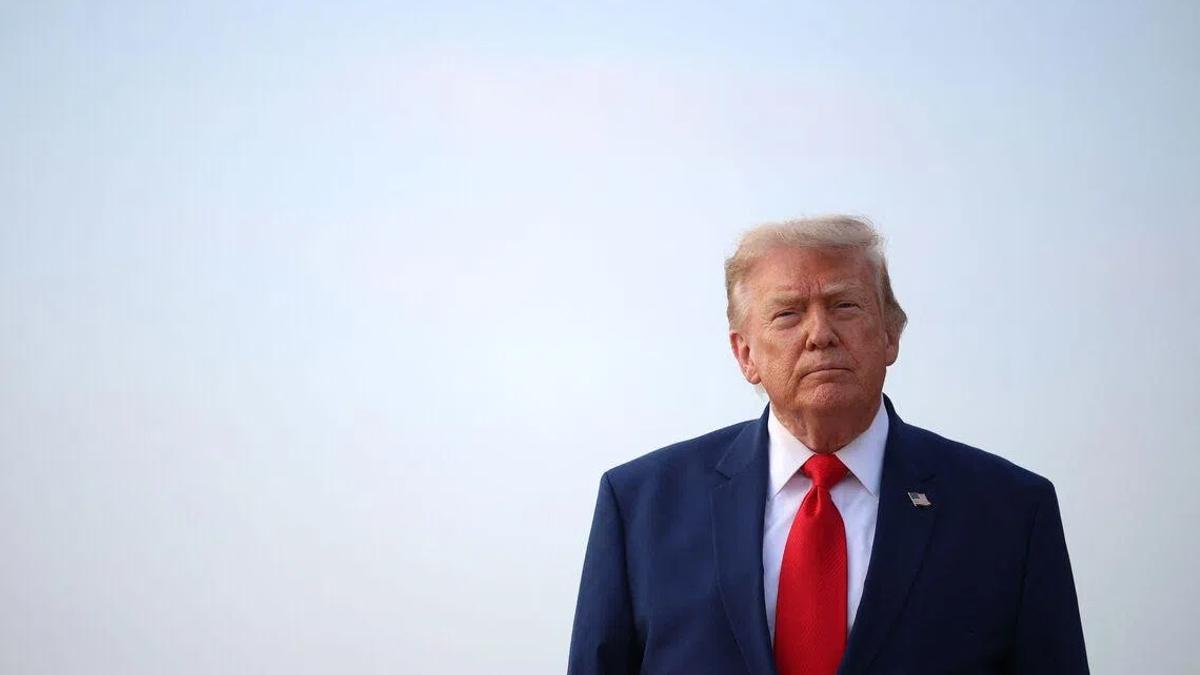
On July 23, 2026, US President Donald Trump issued a forceful warning, threatening "major military punishment" against Iran and Yemen's Houthi rebels. This declaration came in response to a series of missile and drone strikes launched by the Tehran-backed Houthis against Saudi oil tankers in the Red Sea, actions which the Houthis stated were intended to enforce a blockade on Saudi ports. The incident, which saw a Saudi ship struck on July 22, has significantly escalated tensions, pushing the ongoing Middle East conflict onto a critical new maritime front and causing a notable surge in global oil prices.
President Trump, communicating via his Truth Social network, explicitly held Iran responsible for the Houthi actions, characterizing the group as a "Surrogate and/or Proxy of Iran." He warned that any further attacks would result in severe consequences for both Iran and the Houthis. Notably, Trump expressed "disappointment" in the Houthis, remarking that they had "until now, acted very professionally and smart" following previous US attacks on the group in 2025 and during the "Iran war" that the US and Israel reportedly launched in February of the same year. This statement suggests a complex and perhaps previously unacknowledged dynamic between the US and the Houthi movement, now seemingly disrupted by the recent aggression.
Who is involved in this latest escalation includes the United States, represented by President Trump; the Houthi movement in Yemen, which is backed by Iran; and Saudi Arabia, whose oil tankers were targeted. What transpired were Houthi missile and drone strikes on Saudi oil tankers in the Red Sea, followed by a direct threat of military retaliation from the US. When these events unfolded was primarily on July 22 and 23, 2026. Where the attacks occurred was the Red Sea, a vital international shipping lane, while the US response originated from Washington. Why these events are significant stems from the Houthis' declared intent to blockade Saudi ports, their role as an Iranian proxy, and the immediate impact on global energy markets and regional stability.
From a Houthi perspective, these attacks serve multiple strategic objectives. They demonstrate the group's capacity to project power beyond Yemen's borders and disrupt critical maritime trade routes, thereby increasing pressure on Saudi Arabia, their long-standing adversary. This capability also enhances their leverage in any future negotiations and reinforces their position as a significant non-state actor in the region. For Iran, supporting such actions through proxies aligns with its broader regional strategy of challenging US and Saudi influence, creating points of friction, and potentially retaliating against perceived aggressions, such as the aforementioned "Iran war."
For the United States, the threat of "major military punishment" is a clear signal of deterrence. The Red Sea is a crucial artery for global trade, particularly for oil shipments transiting the Suez Canal. Disruptions here have immediate and severe economic consequences, as evidenced by the surge in oil prices. By holding Iran directly responsible for the actions of its proxy, the US aims to reassert its commitment to maritime security, protect its allies like Saudi Arabia, and prevent a wider destabilization of the global energy supply chain. The reference to the Houthis having previously acted "professionally" suggests that the US may have had an implicit understanding or a degree of tolerance for certain Houthi actions, which has now been breached by the targeting of international shipping.
The recent attacks and the subsequent US threat carry profound geopolitical ramifications. The Red Sea, already a flashpoint due to its proximity to ongoing conflicts, now faces heightened risks of militarization and direct confrontation. Any military action by the US or its allies in response to Houthi aggression could further entangle regional and international powers, potentially widening the scope of the existing "Middle East war."
The economic impact is immediate and tangible. The targeting of oil tankers in a critical choke point directly threatens global energy security, leading to increased volatility in oil markets and potentially higher prices for consumers worldwide. This economic leverage is a key component of the Houthi-Iran strategy, aiming to inflict costs on adversaries and the international community.
Looking ahead, the situation presents a precarious challenge for international diplomacy and security. The US must balance its desire to deter aggression and protect shipping with the risk of escalating a regional conflict that could spiral out of control. The role of Iran as a state sponsor of proxy groups will remain a central point of contention, shaping the dynamics of power and conflict across the Middle East. The international community will closely monitor whether the US threat translates into concrete military action and how this might reshape the strategic landscape of the Red Sea and the broader Persian Gulf region.
This incident underscores the complex interplay of state and non-state actors, economic vulnerabilities, and strategic rivalries that define the contemporary Middle East. The stability of global trade routes and the future of regional security hang in the balance as the international community grapples with this latest escalation. The coming weeks will be critical in determining whether deterrence holds or if the region is plunged into a more direct and expansive conflict.
Source referenced: STRAITSTIMES
This brief was synthesized by our Editorial Engine and reviewed by The Ground Narrative team.