TRENDING

Wednesday, 21 October 2026
----------------------
10 Jumada Al-Awwal 1448 AH
New US tariffs on Brazilian imports have escalated a trade dispute, prompting Brasília to strengthen economic partnerships with Beijing. This development signals a significant shift in global trade alignments and geopolitical influence, particularly in Latin America.
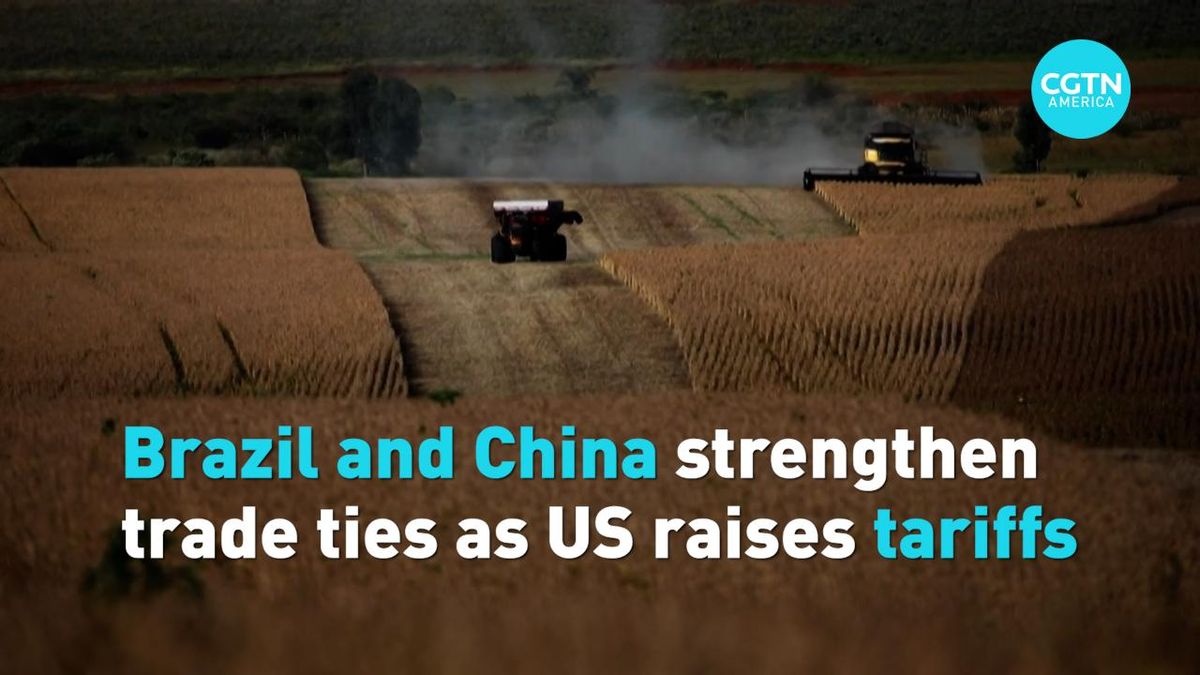
On July 23, 2026, new tariffs imposed by the United States on thousands of Brazilian imports officially took effect, marking a notable escalation in the ongoing trade dispute between Washington and Brasília. This move by the US government introduces a new layer of complexity to bilateral relations, potentially impacting various sectors of the Brazilian economy reliant on exports to the American market. While the specific motivations behind the US tariffs were not detailed, such measures typically stem from concerns over trade imbalances, alleged unfair trade practices, or strategic economic protectionism.
The immediate fallout extends beyond mere trade figures, threatening to strain diplomatic ties and potentially influencing Brazil's foreign policy orientation. For Brazil, a major global agricultural and commodity exporter, access to key markets is paramount. The imposition of tariffs by a significant trading partner like the United States necessitates a strategic reassessment of its economic partnerships and export diversification efforts.
In direct response to, or in parallel with, the US tariff actions, Brazil has reportedly intensified its efforts to strengthen trade ties with China. This strategic pivot underscores Brazil's pragmatic approach to safeguarding its economic interests by seeking alternative markets and deepening existing relationships. China has been Brazil's largest trading partner for over a decade, primarily importing Brazilian agricultural products, iron ore, and crude oil. The current geopolitical climate provides an opportune moment for both nations to further solidify their economic interdependence.
For Brazil, enhancing trade with China offers a crucial buffer against the economic impact of US tariffs. It provides a stable and expanding market for its exports, thereby mitigating potential losses and supporting domestic industries. This move aligns with Brazil's broader foreign policy objective of diversifying its international relations and reducing over-reliance on any single economic power, a principle often championed by emerging economies within the BRICS framework.
From Beijing's perspective, the deepening of trade ties with Brazil amidst US protectionist measures represents a significant geopolitical victory. It allows China to further expand its economic footprint and political influence in Latin America, a region traditionally considered within the United States' sphere of influence. By offering an alternative to US-led trade frameworks, China positions itself as a reliable partner for developing nations seeking to navigate an increasingly fragmented global economy.
This development is consistent with China's Belt and Road Initiative (BRI) and its broader strategy of fostering South-South cooperation. Increased trade and investment with Brazil not only secures vital resources for China's growing economy but also enhances its diplomatic leverage and strengthens its vision for a multipolar world order. The timing of this reinforcement of ties, coinciding with US tariffs, highlights the competitive nature of global power dynamics and the strategic use of economic policy as a tool for geopolitical positioning.
The unfolding trade dynamics between the US, Brazil, and China carry significant implications for the global economic and geopolitical landscape. The US tariffs on Brazil, and Brazil's subsequent strengthening of ties with China, exemplify a growing trend towards economic nationalism and the fragmentation of global supply chains. This could lead to the formation of distinct economic blocs, challenging the principles of multilateralism and free trade that have underpinned the international system for decades.
For Latin America, this shift could accelerate a reorientation of regional trade and investment flows towards Asia, particularly China. It may also prompt other regional actors to reassess their own trade strategies and diplomatic alignments. The long-term consequences could include a diminished US economic influence in its own hemisphere and a corresponding rise in China's strategic presence, impacting everything from infrastructure development to technological standards.
Economically, while Brazil may find new opportunities in the Chinese market, it also faces the challenge of navigating complex trade disputes with a major historical partner. The global economy, already grappling with uncertainties, could experience increased volatility as major powers engage in competitive trade practices. This situation underscores the intricate interplay between economic policy, diplomatic relations, and the ongoing recalibration of global power balances in the 21st century.
Source referenced: CGTN
This brief was synthesized by our Editorial Engine and reviewed by The Ground Narrative team.