TRENDING

Monday, 5 October 2026
----------------------
24 Rabi' Al-Thani 1448 AH
The US revocation of Andres Manuel Lopez Beltran's visa is more than a diplomatic spat - it's a signal of escalating tensions between the US and Mexico. As the son of former Mexican President Andres Manuel Lopez Obrador, Lopez Beltran's situation highlights the human cost of geopolitical power plays. The move is part of a broader crackdown on 'politically exposed persons' and alleged allies of drug cartels, but critics argue it's a thinly veiled attempt to influence Mexico's internal politics.
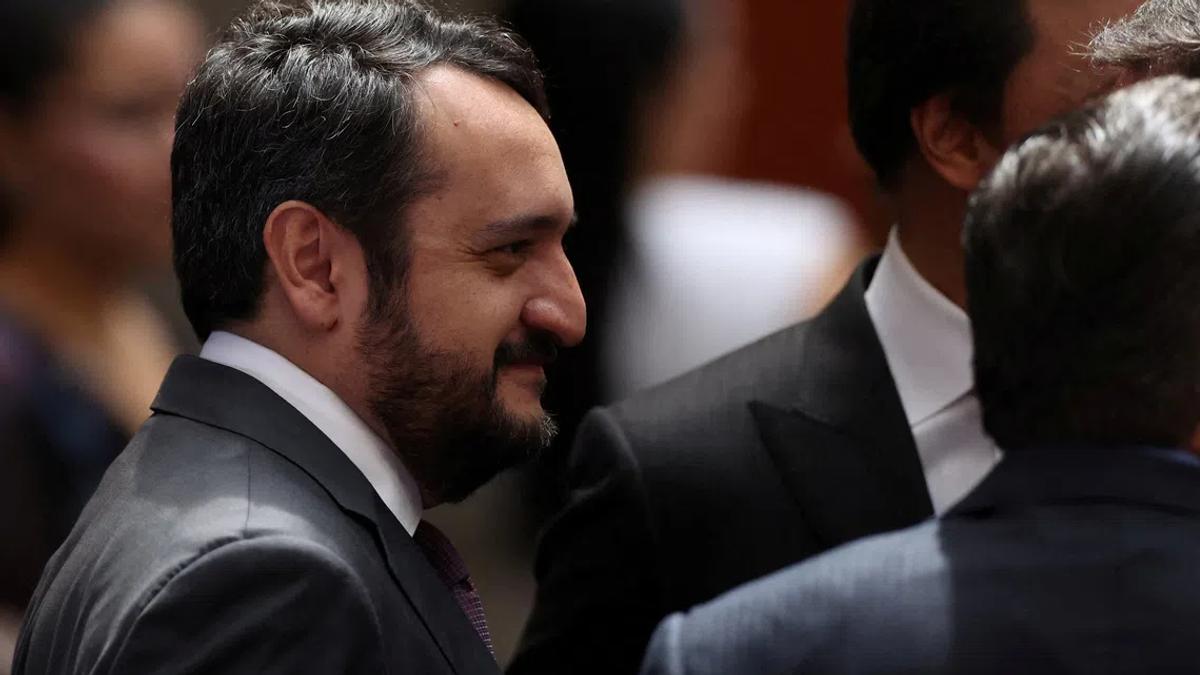
The son of former Mexican President Andres Manuel Lopez Obrador, Andres Manuel Lopez Beltran, has had his US visa revoked. Lopez Beltran, a politician in his own right, accused US Secretary of State Marco Rubio and Deputy Secretary Christopher Landau of orchestrating the decision, which he claims is politically motivated. The US embassy in Mexico has not commented on the matter.
This visa revocation is not an isolated incident, but rather part of a larger pattern of US policy towards Mexico. The Trump administration has been cracking down on alleged allies of drug cartels, but critics argue that this is a pretext for interfering in Mexico's internal politics. By targeting the son of a former president, the US is sending a message to Mexico's leftist movement that it will not tolerate any perceived threats to its interests. The move is also a reflection of the increasingly tense relationship between the US and Mexico, with the US seeking to exert its influence over its southern neighbor.
The human cost of this visa revocation is not limited to Lopez Beltran himself. The move is part of a broader campaign that has already seen the visas of at least 50 Mexican politicians and officials revoked. This has a chilling effect on Mexico's political class, making it harder for them to engage with their US counterparts and potentially limiting their ability to participate in international forums. The people who bear the brunt of these policies are not just the politicians themselves, but also their families and constituents who are affected by the resulting instability and uncertainty.
What the US is downplaying is the fact that these visa revocations are not just about combating drug cartels, but also about influencing Mexico's internal politics. By targeting the leftist movement, the US is seeking to undermine the legitimacy of Mexico's current government and pave the way for a more pliant, right-wing administration. The US is also omitting the fact that its own policies, such as the war on drugs, have contributed to the instability and violence that it now claims to be combating.
As the situation continues to unfold, readers should watch for any further escalation of tensions between the US and Mexico. Will the Mexican government retaliate against US interests, or will it seek to negotiate a resolution to the crisis? How will the US's actions affect the upcoming Mexican midterm elections, and will Lopez Beltran's visa revocation become a campaign issue? As the US continues to exert its influence over its southern neighbor, the human cost of these policies will only continue to grow.
Editor's Note: The analysis is based on publicly available information and may not reflect the full complexity of the situation.
Source referenced: STRAITSTIMES
This brief was synthesized by our Editorial Engine and reviewed by The Ground Narrative team.


