TRENDING

Wednesday, 21 October 2026
----------------------
10 Jumada Al-Awwal 1448 AH
Over 60 US lawmakers urge Israel to allow Palestinian cancer patients in Gaza to seek treatment in the occupied West Bank and East Jerusalem, citing humanitarian concerns and the need for a medical corridor.
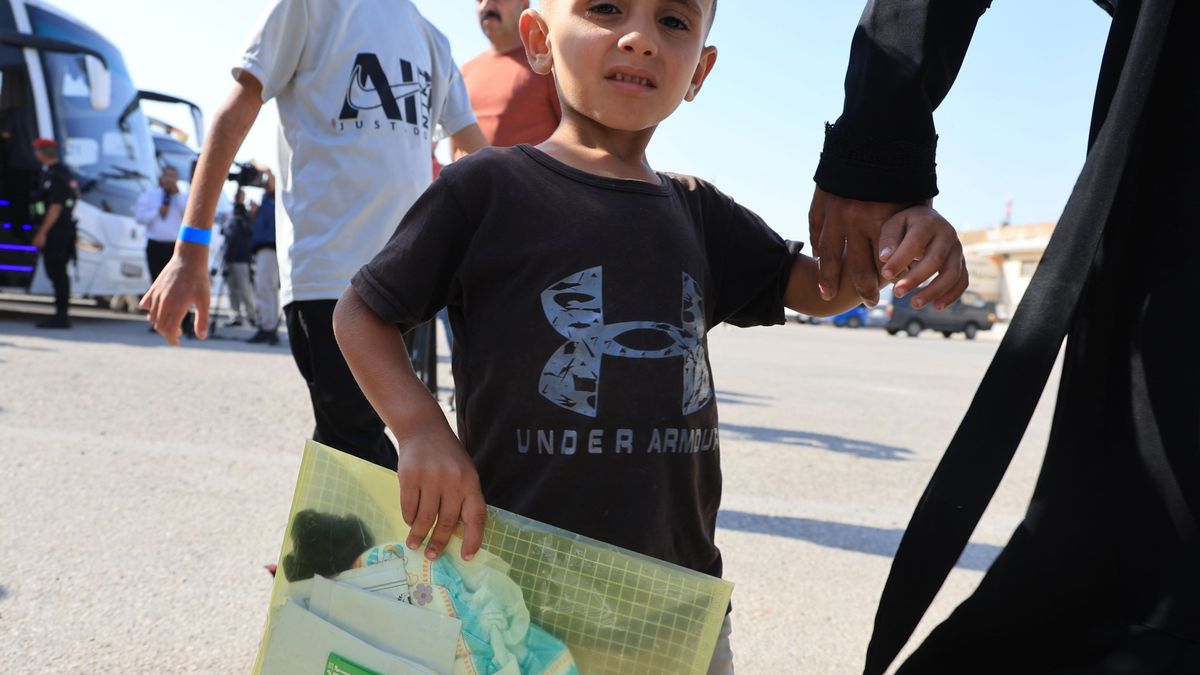
The Israeli-Palestinian conflict has been a longstanding issue, with the recent escalation in 2023 resulting in significant humanitarian consequences for the people of Gaza. The decimated health system in Gaza, where 11,000 cancer patients are currently living, has left them unable to obtain adequate treatment. The systematic destruction of healthcare facilities by Israeli forces has been well-documented, with 94% of Gaza's hospitals destroyed or damaged during the genocidal war on the Palestinian territory.
The limited medical evacuations permitted by Israeli authorities have fallen far short of patients' needs. At least 1,200 people have died in Gaza while waiting for evacuation approvals, including a six-year-old boy with leukaemia named Ghazal, who spent the last two months of his life hoping for permission to leave. The World Health Organization (WHO) suspended medical evacuations from Gaza to Egypt in April after Israeli forces shot and killed a medical contractor.
In response to the humanitarian crisis, over 60 members of the United States Congress have called on Israel to lift restrictions on Palestinian cancer patients in Gaza so that they may seek treatment in hospitals in the occupied West Bank and East Jerusalem. The letter, addressed to Secretary of State Marco Rubio, includes Senators Bernie Sanders and Chris Van Hollen and Representatives Madeleine Dean and Greg Casar. The lawmakers argue that there is no conceivable reason that allowing kids with cancer to drive 40 minutes for lifesaving medical treatment should be controversial.
The letter proposes the establishment of a medical corridor to allow necessary travel out of Gaza, connecting the strip to other parts of the Palestinian territory. Medical facilities in the occupied West Bank and East Jerusalem are prepared to receive patients from Gaza and offer services such as radiation treatment. The letter also calls for assurances that Palestinians will be able to rebuild Gaza's medical facilities without further destruction.
The humanitarian crisis in Gaza has significant strategic implications for the region. The Israeli government's restrictions on medical evacuations have been widely criticized, and the US lawmakers' intervention is a significant development in the ongoing conflict. The proposal for a medical corridor could potentially alleviate some of the humanitarian suffering in Gaza, but it also raises questions about the long-term sustainability of the Israeli-Palestinian peace process.
The future consequences of the Israeli-Palestinian conflict are uncertain, but one thing is clear: the humanitarian crisis in Gaza will continue to worsen unless a solution is found. The US lawmakers' intervention is a crucial step in addressing the humanitarian concerns, but it is only a small part of a larger solution. The international community must come together to find a lasting solution to the conflict and ensure that the people of Gaza have access to the medical care they need.
The humanitarian crisis in Gaza is a pressing concern that requires immediate attention. The US lawmakers' intervention is a significant development in the ongoing conflict, and the proposal for a medical corridor could potentially alleviate some of the humanitarian suffering. However, the long-term sustainability of the Israeli-Palestinian peace process remains uncertain, and the international community must come together to find a lasting solution to the conflict.
Editor's Note: The analysis is based on publicly available information and does not include any speculative or unsupported claims.
Source referenced: ALJAZEERA
This brief was synthesized by our Editorial Engine and reviewed by The Ground Narrative team.


