TRENDING

Monday, 5 October 2026
----------------------
24 Rabi' Al-Thani 1448 AH
After two decades, US forces have fully withdrawn from Iraq, leaving behind a nation grappling with its own security and a regional landscape ripe for new power struggles. While many Iraqis celebrated the departure, the vacuum created raises urgent questions about stability and the resurgence of familiar threats.
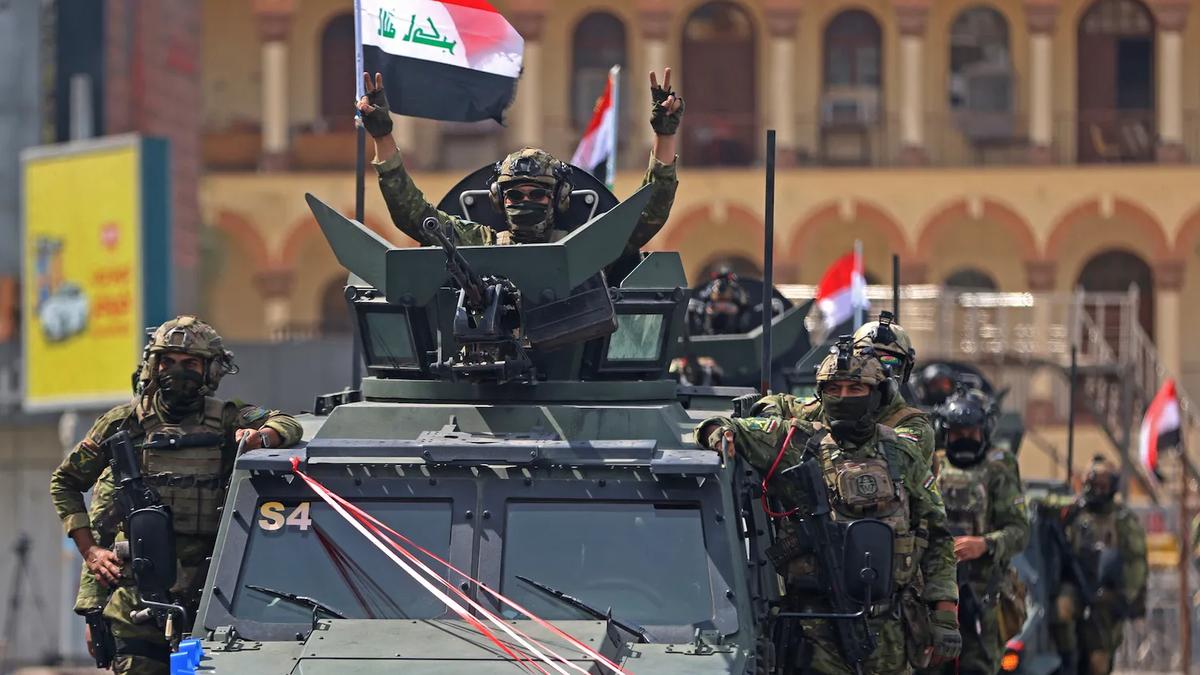
On September 30, 2026, the last contingent of U.S. military forces officially departed Iraq, marking the end of a two-decade-long intervention that began with the 2003 invasion. This withdrawal followed a 2024 agreement between the Biden administration and Baghdad, though a small advisory and security presence had lingered due to regional developments and operations in the semi-autonomous Kurdistan region. The departure was met with celebrations by many Iraqis, who have long attributed their nation's instability to the foreign military presence, yet it also ignited immediate concerns among experts and local leaders about the security vacuum left behind.
The U.S. withdrawal is a calculated move, driven by domestic political pressures to end costly foreign engagements and a strategic pivot towards great power competition elsewhere. For Washington, disengagement from Iraq reduces direct exposure to regional proxy conflicts and frees up resources. However, this move fundamentally alters the delicate balance of power within Iraq and the broader Middle East. Internally, Iraq's Shiite-led government now faces the immense challenge of consolidating control and ensuring security without direct U.S. military backing. Its security institutions, though built up over years, are still viewed with skepticism by many, particularly Sunni tribal leaders who recall the rapid collapse of security after the previous U.S. withdrawal in 2011.
Regionally, the departure opens significant space for Iran to deepen its influence. Tehran has long cultivated a network of powerful, well-armed paramilitary groups within Iraq, which have actively targeted U.S. forces and now stand to gain increased leverage. Iraq, despite its attempts to maintain ties with both Washington and Tehran, has frequently found itself a secondary battleground in the wider
Source referenced: FOREIGNPOLICY
This brief was synthesized by our Editorial Engine and reviewed by The Ground Narrative team.


