TRENDING

Thursday, 15 October 2026
----------------------
4 Jumada Al-Awwal 1448 AH
The US and Iran are reportedly close to a deal, but several sticking points remain, including the question of enrichment and the future of Iran's nuclear program.
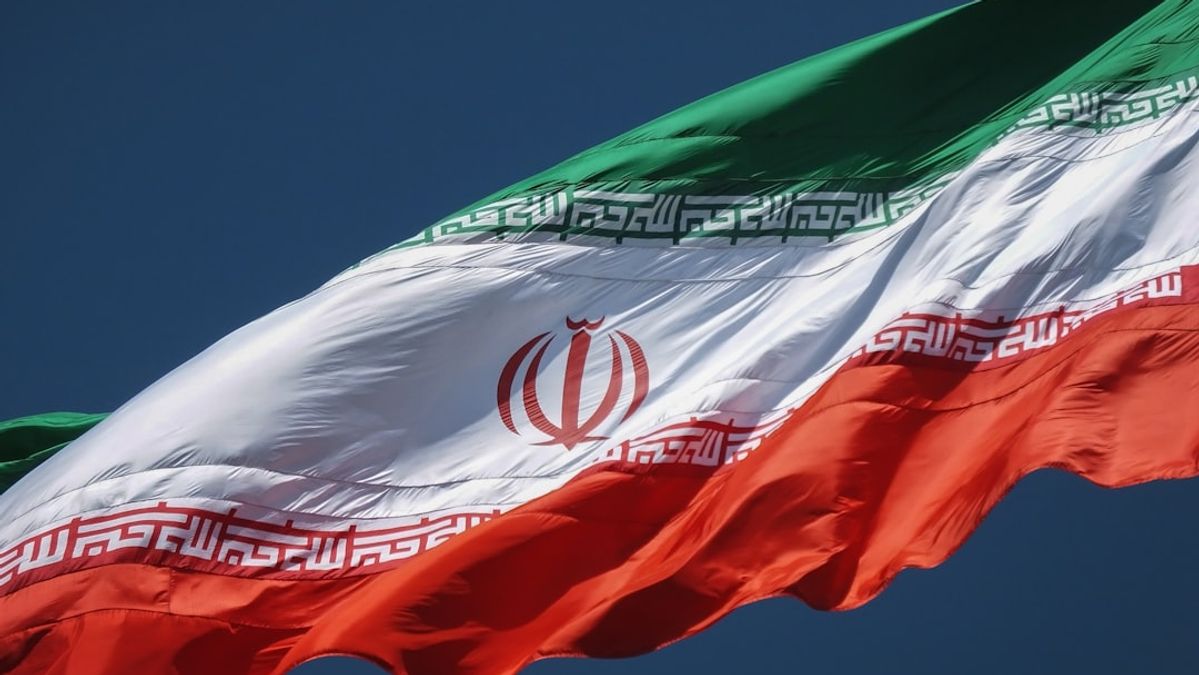
The US and Iran have been engaged in a delicate dance of diplomacy, with both sides seemingly eager to avoid a return to all-out conflict. The fragile ceasefire that has held since April 8 has provided a window of opportunity for negotiations to end the three-month war. However, the path to a lasting peace remains fraught with challenges.
Vice-President JD Vance has acknowledged that several sticking points remain, including the question of enrichment and the future of Iran's nuclear program. The US has long demanded that Iran stop producing highly enriched uranium and dispose of its existing stockpile, which in theory could be used to create nuclear weapons. Iran, on the other hand, has insisted on its right to enrich uranium for peaceful purposes.
Reports suggest that the proposed deal would extend the ceasefire for 60 days and launch talks on the future of Iran's nuclear program. The deal would also reportedly allow for "unrestricted" passage through the Strait of Hormuz, with Iran having 30 days to remove mines from the narrow shipping passageway. The US would lift its blockade, and issue sanction waivers to allow Iran to resume selling oil.
The negotiations are complex and multifaceted, with both sides engaging in a high-stakes game of diplomatic chess. The US is under pressure from Gulf state allies, Democrats, and some Republicans in Congress to end the war, while Iran is seeking to maintain its nuclear program and assert its regional influence. The proposed deal is a tentative step towards a lasting peace, but its success is far from guaranteed.
The US-Iran conflict has significant regional implications, with the Strait of Hormuz being a critical chokepoint for global oil supplies. The closure of the strait has impacted global fuel trade, and a lasting peace would be a major relief for the international community. However, the deal's success would also depend on the ability of the two sides to address the underlying issues driving the conflict.
The consequences of a failed deal would be severe, with a return to conflict potentially destabilizing the entire region. The US and Iran would need to work together to address the underlying issues driving the conflict, including the question of enrichment and the future of Iran's nuclear program. A lasting peace would require a sustained commitment from both sides to diplomacy and cooperation.
The US and Iran negotiations are a delicate dance of diplomacy, with both sides seeking to avoid a return to all-out conflict. The proposed deal is a tentative step towards a lasting peace, but its success is far from guaranteed. The road ahead will be complex and multifaceted, with both sides engaging in a high-stakes game of diplomatic chess. The regional implications of a lasting peace would be significant, with the international community watching closely for any signs of progress.
Editor's Note: The analysis is based on publicly available information and may not reflect the full complexity of the negotiations.
Source referenced: BBC
This brief was synthesized by our Editorial Engine and reviewed by The Ground Narrative team.