TRENDING

Monday, 5 October 2026
----------------------
24 Rabi' Al-Thani 1448 AH
The US claims to have destroyed Iran's ballistic missile capability, but experts call it a 'pipe dream'. As tensions escalate, the human cost of conflict looms large. What's at stake and what's being downplayed?
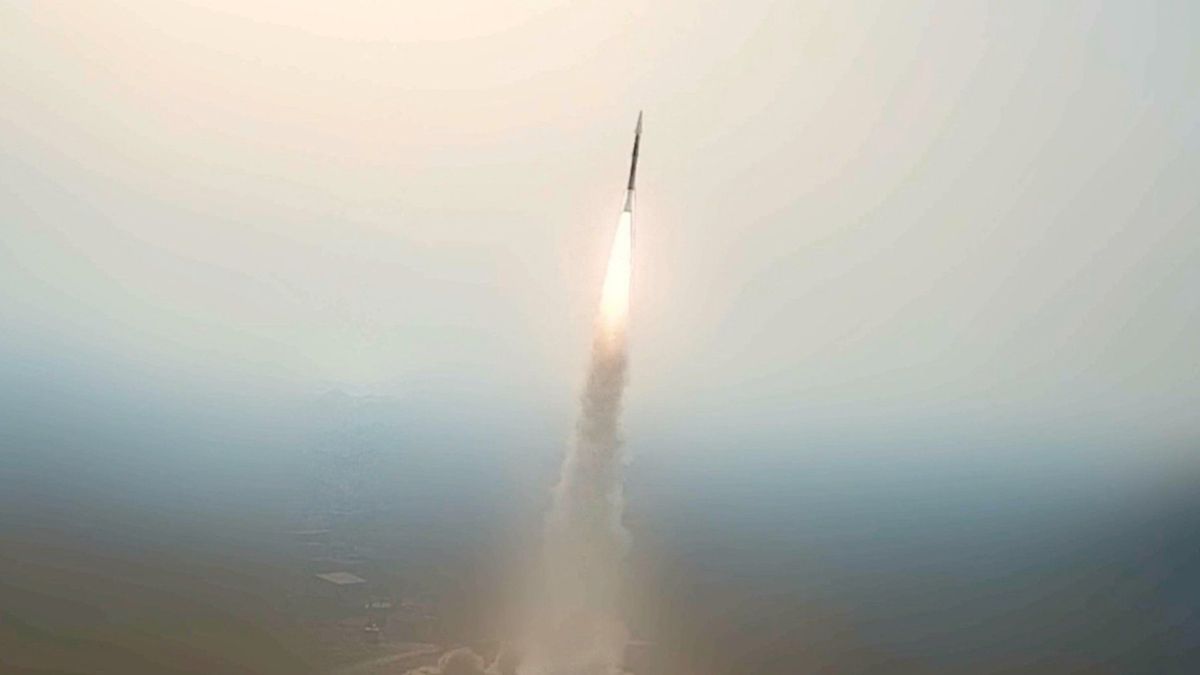
The US has claimed to have destroyed Iran's ballistic missile capability, a statement that has been met with skepticism by experts, including a former White House adviser who termed it a 'pipe dream'. This development comes amidst rising tensions between the US and Iran, with the US considering deploying up to 300,000 troops to the region.
The power dynamics at play here are complex, involving not just the US and Iran, but also other regional and global actors. The US is seeking to assert its dominance in the region, while Iran is trying to maintain its sovereignty and influence. The claim of destroying Iran's ballistic missile capability can be seen as a psychological operation aimed at weakening Iran's resolve and bolstering the US's position. However, this move also risks escalating the conflict, which could have far-reaching consequences for the region and the world.
The human cost of this conflict is already being felt, with ordinary citizens in Iran and the region bearing the brunt of the escalating tensions. The deployment of troops and the destruction of infrastructure could lead to a significant increase in civilian casualties, displacement, and suffering. The people who weren't in the room when these decisions were made are the ones who will pay the price, including women, children, and the elderly.
What's being downplayed in the official narrative is the potential for a long and bloody conflict, with devastating consequences for the region and the world. The US's claim of destroying Iran's ballistic missile capability may be an attempt to create a pretext for further military action, which could lead to a wider conflict involving other regional and global actors. The fact that the US is considering deploying up to 300,000 troops to the region suggests that the conflict could be prolonged and intense, with significant human and economic costs.
As the situation continues to unfold, readers should watch for signs of escalation, including further military deployments, airstrikes, and diplomatic breakdowns. The US's decision on whether to deploy troops will be a critical turning point, as will Iran's response to the US's claims and actions. The international community, including the EU, China, and Russia, will also play a crucial role in shaping the outcome of this conflict. The next few weeks and months will be critical in determining the course of this conflict and its impact on the region and the world.
Editor's Note: The analysis is based on publicly available information and may not reflect the full complexity of the situation on the ground.
Source referenced: ALJAZEERA
This brief was synthesized by our Editorial Engine and reviewed by The Ground Narrative team.


