TRENDING

Sunday, 25 October 2026
----------------------
14 Jumada Al-Awwal 1448 AH
The US military's airstrikes on Iran follow President Trump's accusation that Tehran downed an Army helicopter near the Strait of Hormuz, further straining a two-month ceasefire.
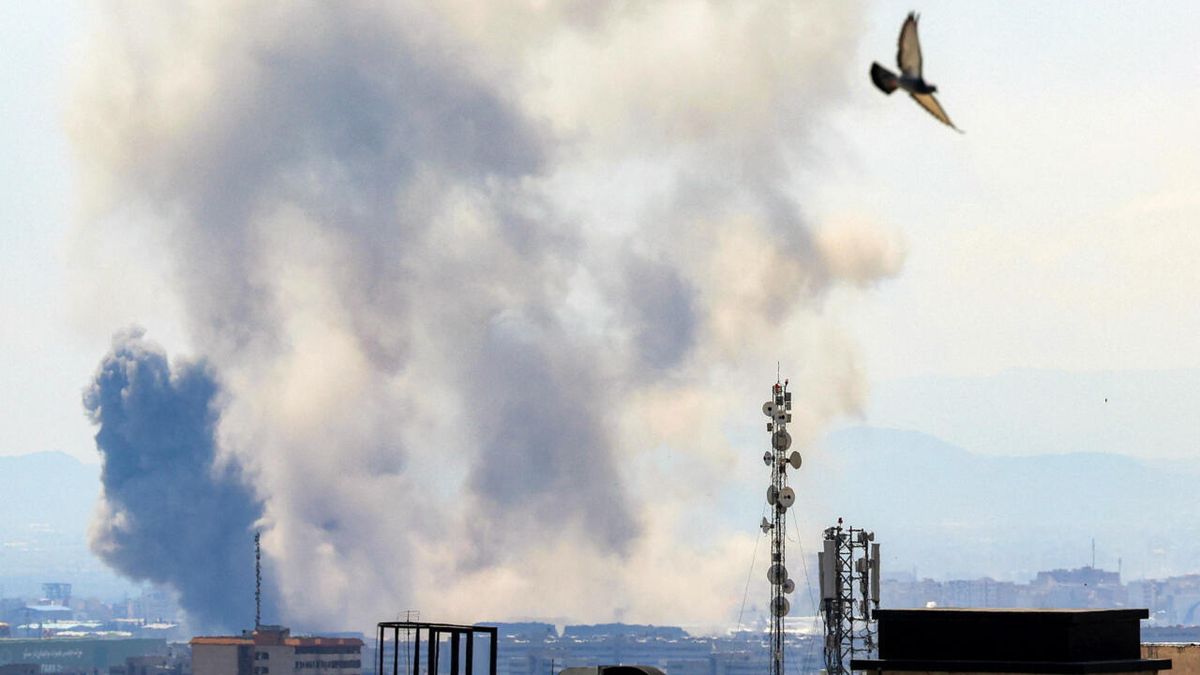
The recent airstrikes by the US military on Iran have sparked concerns about the escalating tensions between the two nations. The incident began with the crash of an Army helicopter near the Strait of Hormuz, an incident President Donald Trump blamed on Tehran. Iran denied responsibility and vowed to respond.
The current conflict between the US and Iran has its roots in the 2025 war, which saw the US launch air strikes on Iranian targets. Since then, the two nations have been engaged in a fragile ceasefire, with both sides taking hardline positions. The US wants Iran to give up its stockpile of highly enriched uranium, while Iran is demanding relief from sanctions and the release of frozen assets.
The continued fighting between Israel and Hezbollah is still a top Iranian priority, and the recent exchange of fire between the two nations has further strained the ceasefire. The Israeli military has issued an evacuation warning for Lebanon's southern port city of Tyre, including the Christian quarter, which has so far been spared from air strikes on the city.
President Trump's accusation that Iran downed the Army helicopter and his subsequent airstrikes on Iran can be seen as a proportional response to what he perceives as unjustified Iranian aggression. However, the move has been met with skepticism by Iranian officials, who have vowed to respond to the new US strikes.
The US military's use of a drone boat to rescue two aviators at sea marks a significant development in the use of unmanned aerial vehicles (UAVs) in military operations. The drone boat, manufactured by Saronic Technologies, was assigned to the Navy's Task Force 59, established in 2021 as the Navy's first uncrewed and artificial intelligence unit that focuses on maritime security in the Middle East.
The ongoing conflict between the US and Iran has significant implications for regional stability and global security. The war has shaken the global economy, driven up energy prices, and made many basics, including food, more expensive. The continued fighting between Israel and Hezbollah has also raised concerns about the potential for further escalation.
The recent airstrikes by the US military on Iran have further strained the fragile ceasefire between the two nations. While President Trump's accusation that Iran downed the Army helicopter and his subsequent airstrikes can be seen as a proportional response to what he perceives as unjustified Iranian aggression, the move has been met with skepticism by Iranian officials. The ongoing conflict between the US and Iran has significant implications for regional stability and global security, and it remains to be seen how the situation will unfold in the coming days and weeks.
Source referenced: FRANCE24
This brief was synthesized by our Editorial Engine and reviewed by The Ground Narrative team.