TRENDING

Tuesday, 20 October 2026
----------------------
9 Jumada Al-Awwal 1448 AH
A hypothetical U.S.-Iran conflict has escalated into a global economic and strategic crisis, with the Strait of Hormuz becoming a critical choke point. The international community faces a complex dilemma between costly military escalation and a controversial diplomatic 'payoff' to Iran.
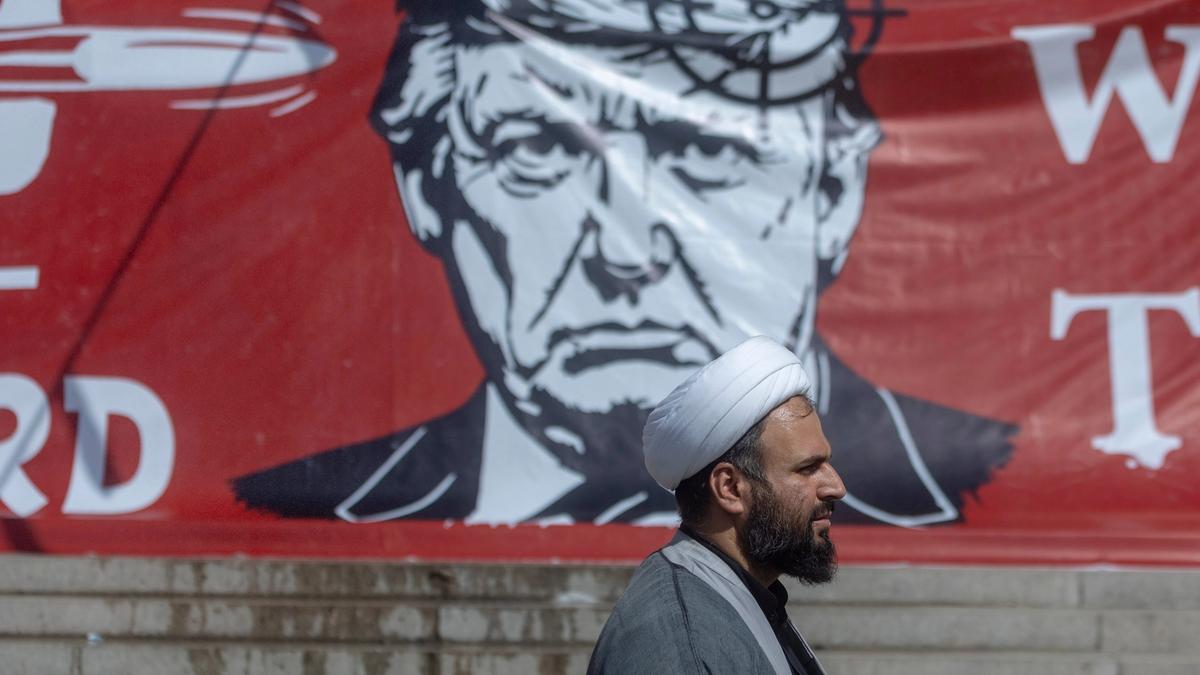
As of July 2026, the international community finds itself grappling with the profound geopolitical and economic fallout from a protracted conflict between the United States and Iran. This conflict, characterized by the source as a 'reckless war' initiated by the U.S., has reportedly seen over 13,000 targets struck in Iran, yet has paradoxically empowered Iranian hard-liners and granted them significant leverage over the globally vital Strait of Hormuz. The strategic predicament has been exacerbated by the U.S. administration's perceived alienation of key allies, complicating any potential international coalition response.
The immediate and most tangible consequence of this conflict is the severe disruption to global energy markets. With Iran exerting control or significant threat over the Strait of Hormuz, a critical maritime chokepoint for a substantial portion of the world's oil supply, global oil and gas prices have surged. This surge, compounded by drawn-down global reserves and the impact of Ukrainian drone attacks on Russian refineries, threatens to destabilize stock and bond markets, fuel inflation, and precipitate a global recession. The principle of freedom of navigation, a cornerstone of international maritime law and trade, is now under severe threat, with profound implications for global commerce and security.
The U.S. faces a stark choice between two unpalatable options, each carrying significant risks and long-term consequences. One path involves conceding to Iran's demands, which reportedly include substantial financial relief and sovereignty over the Strait of Hormuz. While this approach might offer a short-term de-escalation, it would come at the cost of sacrificing the principle of freedom of navigation, empowering a determined adversary, and potentially setting the stage for future confrontations. Critics argue that such a concession would enable Iran to rebuild its missile and drone programs and use its newfound leverage on other regional issues, including its influence in Lebanon and relations with Gulf states, as well as in future nuclear negotiations.
The alternative, continued or escalated military action, presents an even graver outlook. Despite extensive U.S. strikes, Iran retains thousands of long-range drones and missiles capable of threatening shipping from deep within its territory, making a military solution to open the strait highly improbable. Further escalation, such as targeting Iran's power plants or civilian infrastructure, is described as a potential war crime that would further erode Washington's global standing and cause immense suffering without necessarily altering Iranian policy. Moreover, military action risks drawing U.S. service members into greater danger and could provoke Iran-backed Houthi forces to close Red Sea export routes, further crippling global energy supplies and exacerbating the economic crisis. Historical precedents in Iraq, Syria, and Libya suggest that an extended military campaign could lead to chaos, civil war, and sectarian violence rather than Iranian capitulation.
A critical factor exacerbating the current crisis is the reported alienation of U.S. allies. The article suggests that 18 months of unilateral actions, including imposing tariffs, questioning security commitments, and launching a war without consultation, have made it difficult to rally an international coalition. While European and Asian allies have a vested interest in the free flow of oil through Hormuz, their leaders would struggle to justify risking their service members' lives or imposing economic pain on their own publics for a conflict they opposed and were not consulted on. This stands in contrast to past instances where U.S. leadership successfully forged international coalitions, such as during the 1990 Gulf War or the negotiations leading to the 2015 Iran nuclear deal.
Amidst these immediate challenges, a long-term strategic shift is reportedly underway to reduce global reliance on the Strait of Hormuz. Saudi Arabia and the United Arab Emirates are actively expanding pipeline capacities to reroute millions of barrels of oil per day, building upon existing diversions. Chevron is exploring a pipeline connecting Iraqi oil fields to Syria's Mediterranean coast, one of several such projects. Concurrently, the global energy transition is accelerating, with China significantly reducing its oil consumption and boosting clean energy technology exports. Over 20 countries across five continents have announced new clean energy initiatives, fast-tracking renewable projects and incentivizing alternative energy adoption. While this transition offers a path to diminish Iran's long-term leverage, it is a gradual process that does not resolve the immediate crisis.
Ultimately, the conflict highlights the intricate web of geopolitical, economic, and diplomatic challenges that arise from military interventions without broad international consensus. The proposed 'less bad' option of a temporary 'payoff' to Iran, involving economic relief in exchange for freezing its nuclear program and refraining from attacks, is presented as a means to buy time and avert a global recession, while simultaneously accelerating efforts to reduce reliance on the strait and bolster future U.S. leverage. This complex scenario underscores the profound and far-reaching consequences of the current geopolitical landscape.
Editor's Note: The analysis is based on a hypothetical future scenario presented in the source article, dated July 2026, which describes a past 'reckless war' and its consequences. All facts and premises are drawn directly from the provided text.
Source referenced: FOREIGNPOLICY
This brief was synthesized by our Editorial Engine and reviewed by The Ground Narrative team.


