TRENDING

Thursday, 8 October 2026
----------------------
27 Rabi' Al-Thani 1448 AH
Fresh missile strikes by Iran targeting US-allied Mideast countries have escalated the conflict, threatening a fragile interim ceasefire aimed at ending the Middle East war.
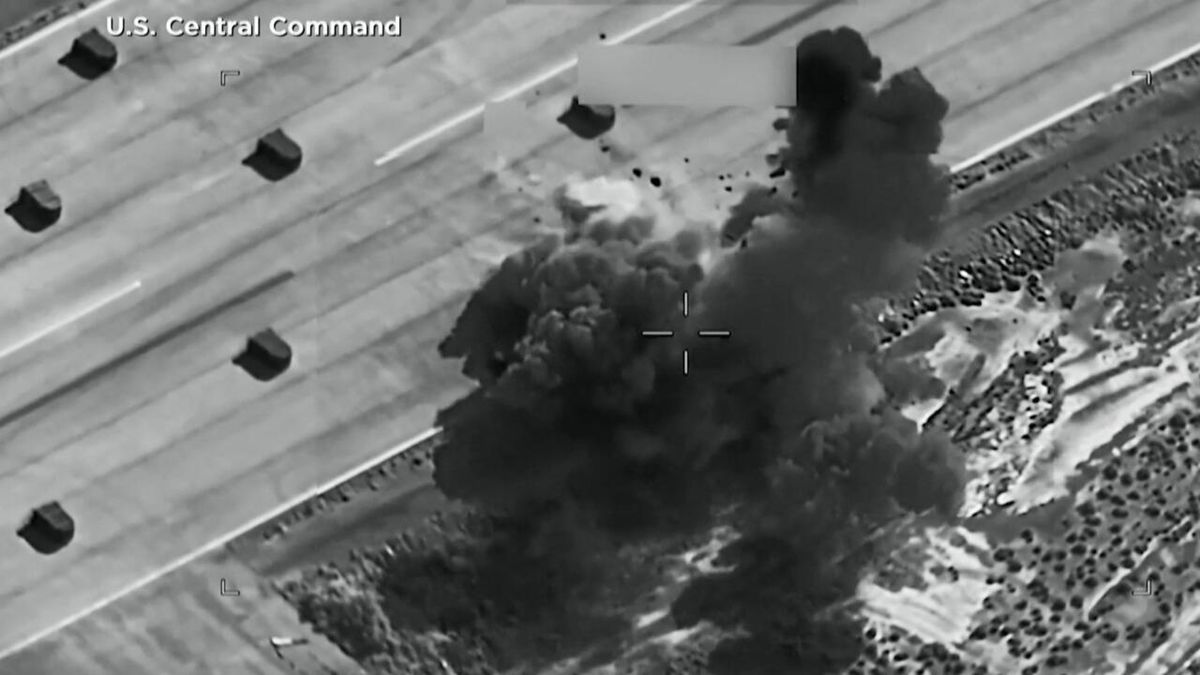
The recent missile strikes by Iran targeting US-allied Mideast countries have escalated the conflict, threatening a fragile interim ceasefire aimed at ending the Middle East war. The exchange of fire, which began on Thursday, has raised concerns that the region could tip back into a war that would engulf several countries and halt energy shipments through the Strait of Hormuz, crucial for the global economy.
The conflict between the US and Iran has its roots in the US and Israeli airstrikes on February 28, which marked the beginning of the war. The airstrikes targeted Iran's nuclear power plant and other strategic sites, leading to a significant escalation of tensions in the region. Since then, the conflict has seen repeated exchanges of fire, with both sides accusing each other of aggression.
The US has been seeking to degrade Iran's ability to threaten freedom of navigation in the Strait of Hormuz, through which a fifth of the world's traded oil and natural gas passes. The recent airstrikes were intended to "further degrade" Iran's ability to threaten freedom of navigation, according to the US military's Central Command. However, Iran has accused the US of launching an airstrike near its nuclear power plant, which has raised concerns about the safety of the plant and the potential for a nuclear disaster.
The conflict has significant regional implications, with several countries in the Middle East being drawn into the conflict. The US has stationed troops and aircraft in Jordan, while Bahrain, Kuwait, and Qatar have been targeted by Iranian missiles. The conflict has also raised concerns about the safety of energy shipments through the Strait of Hormuz, which is crucial for the global economy.
The escalating conflict between the US and Iran has significant future consequences, including the potential for a wider war in the Middle East. The conflict has already led to the deaths of at least 14 people and wounded another 78 in Iran, according to the country's Health Ministry. The conflict has also raised concerns about the safety of civilians in the region, who are caught in the middle of the conflict.
The escalating conflict between the US and Iran is a complex issue with multiple motivations and implications. The conflict has significant regional implications, with several countries in the Middle East being drawn into the conflict. The conflict has also raised concerns about the safety of energy shipments through the Strait of Hormuz, which is crucial for the global economy. The future consequences of the conflict are uncertain, but it is clear that the conflict has significant implications for regional and global stability.
The escalating conflict between the US and Iran is a complex issue with multiple motivations and implications. The conflict has significant regional implications, with several countries in the Middle East being drawn into the conflict. The conflict has also raised concerns about the safety of energy shipments through the Strait of Hormuz, which is crucial for the global economy. The future consequences of the conflict are uncertain, but it is clear that the conflict has significant implications for regional and global stability.
Editor's Note: The analysis is based on available information and may be subject to change as new information becomes available.
Source referenced: FRANCE24
This brief was synthesized by our Editorial Engine and reviewed by The Ground Narrative team.