TRENDING

Saturday, 14 November 2026
----------------------
4 Jumada Al-Thani 1448 AH
US envoys Steve Witkoff and Jared Kushner have been flying between Dublin, Moscow and Kyiv in a renewed push for a Russia‑Ukraine ceasefire. The article unpacks the power calculations behind the shuttle and the human toll that remains hidden.
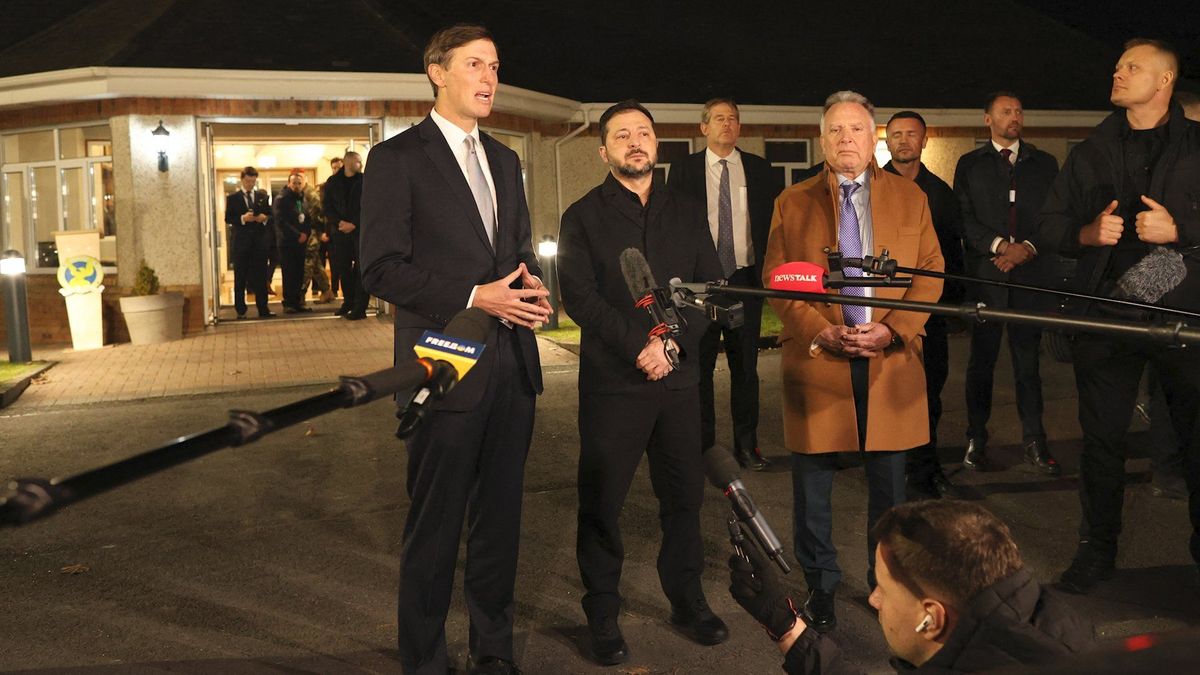
The United States dispatched senior envoys Steve Witkoff and Jared Kushner on a rapid‑fire diplomatic tour that began in Dublin, moved to Moscow, and then to Kyiv. Their mission: to revive direct talks between Vladimir Putin and Volodymyr Zelenskyy, the first such exchange in nine months. The shuttle, broadcast in a brief Al Jazeera video, signals a renewed, albeit tentative, push for a negotiated settlement.
The diplomatic sprint is driven by intersecting incentives that stretch across continents. In Washington, the United States faces mounting pressure from a war‑wearied electorate that demands a visible effort to end a conflict that has already cost trillions in aid and strained domestic politics ahead of the 2028 election. By positioning envoys as peace‑makers, the administration hopes to claim a diplomatic win without conceding on core security guarantees for Ukraine.
For Russia, the shuttle offers a rare opportunity to test the limits of its bargaining power without appearing to capitulate. Moscow can gauge Western resolve, extract concessions on sanctions relief, and potentially secure a frozen‑conflict status that freezes Ukrainian territory while preserving its strategic depth. The choice of Dublin as a neutral staging ground underscores the desire to keep the talks away from the glare of either capital, allowing back‑channel messaging to flow.
Ukraine enters the negotiations from a position of desperation and resilience. After years of relentless bombardment, Kyiv needs a credible pathway to halt civilian casualties and rebuild shattered infrastructure. Yet it also seeks to preserve sovereignty, making any compromise a tightrope walk between survival and political legitimacy. The presence of high‑profile US envoys signals to Kyiv that Washington remains its most potent guarantor of security, even as the Kremlin tests the limits of that guarantee.
The shuttle also reflects alliance math within NATO. European members, especially those bordering Russia, are wary of a premature ceasefire that could embolden further aggression. By keeping the talks US‑led, Washington can manage alliance expectations, offering a controlled diplomatic channel that limits divergent European pressures while preserving the broader coalition’s credibility.
Finally, the personal networks of the envoys matter. Kushner, with his business background and ties to former administrations, brings a private‑sector style of negotiation that can bypass bureaucratic inertia. Witkoff, a seasoned diplomat, adds institutional legitimacy. Their combined profiles aim to blend hard‑line credibility with flexible, behind‑the‑scenes maneuvering.
The most immediate victims of the stalled conflict are ordinary Ukrainians living under constant artillery fire. In the Donbas region, daily shelling has displaced over 3 million people, forced families into makeshift shelters, and crippled local economies. Schools operate on intermittent power, and medical facilities struggle with shortages of essential supplies, turning routine injuries into life‑threatening emergencies.
Beyond the front lines, the war has rippled into the global food system. Ukraine’s grain exports, once a staple for millions in the Middle East and Africa, have been choked off, driving up prices and sparking food insecurity in already vulnerable regions. The human toll therefore extends far beyond Europe, affecting livelihoods in distant markets that depend on affordable wheat.
On the Russian side, sanctions have eroded living standards for ordinary citizens. Inflation has surged, pension payments lag behind price hikes, and younger workers face a bleak job market. While the Kremlin projects an image of resilience, the everyday reality for many Russians is a shrinking purchasing power that fuels domestic discontent.
In the United States, taxpayers shoulder the financial burden of billions in military aid, reconstruction funds, and diplomatic operations. The cost is often abstracted in budget headlines, but it translates into reduced spending on domestic programs, higher national debt, and a lingering sense of fiscal strain among middle‑class families.
Official statements emphasize the envoys’ “neutral” role, yet the United States quietly leverages its control over NATO’s military aid to Ukraine as a bargaining chip. By hinting at possible pauses in weapons deliveries, Washington can pressure Kyiv into accepting a ceasefire that aligns with broader geopolitical calculations, a nuance rarely highlighted in public briefings.
Moscow’s public messaging frames the talks as a concession to “peace‑seeking” Western powers, but internal deliberations reveal a strategic aim to lock Ukraine into a frozen conflict that preserves Russian influence over the Black Sea corridor. The Kremlin’s omission of long‑term territorial ambitions leaves analysts and the public with an incomplete picture of its endgame.
Zelenskyy’s administration publicly stresses that any agreement must respect Ukraine’s sovereignty, yet behind closed doors there is a growing debate about the political cost of prolonged war versus a negotiated settlement that might involve territorial compromises. This internal tension is largely absent from the diplomatic narrative presented to international audiences.
Defense contractors in the United States and Europe stand to lose billions if a ceasefire curtails weapons sales. While official statements portray the talks as purely humanitarian, industry lobbying groups quietly monitor the negotiations, ready to influence policy if the peace trajectory threatens their revenue streams.
Observers should track the next round of meetings scheduled for early December, when the envoys are expected to return to Moscow with a draft framework. Key indicators will include any shifts in NATO’s weapons‑aid commitments, the tone of Russian media coverage, and domestic polling in Ukraine regarding support for a ceasefire. Additionally, the reaction of European Union leaders—whether they endorse the US‑led process or push for a more hard‑line stance—will shape the diplomatic landscape.
Another watchpoint is the upcoming U.S. mid‑term elections, where candidates will likely weaponize the peace effort to score political points. Changes in congressional support for aid packages could either empower the envoys with fresh resources or stall the process through funding freezes.
Finally, the humanitarian situation on the ground will provide a reality check. If civilian casualty numbers begin to decline sharply, it may create public pressure on all parties to accelerate negotiations. Conversely, a resurgence of large‑scale offensives would signal that the diplomatic shuttle has yet to translate into tangible de‑escalation.
Stakeholders across the spectrum—governments, corporations, and ordinary citizens—must remain vigilant as the shuttle continues its circuit, because the true cost of peace, or its absence, will be measured in lives, livelihoods, and the balance of power that shapes the next decade.
The envoys aim to restart direct talks between President Putin and President Zelenskyy, seeking a ceasefire or negotiated settlement that could end the war while preserving US strategic interests.
Candidates may use the negotiations to claim diplomatic success or criticize any perceived concessions, influencing congressional support for aid and potentially altering the leverage the US brings to the table.
Source referenced: ALJAZEERA
This brief was synthesized by our Editorial Engine and reviewed by The Ground Narrative team.