TRENDING

Wednesday, 11 November 2026
----------------------
1 Jumada Al-Thani 1448 AH
Following a costly war with Iran, US President Donald Trump has demanded that Israel and Gulf states repay the United States for its military expenditures. This unprecedented call signals a fundamental shift in how Washington views its long-standing alliances, framing military protection as a service with a direct price tag.
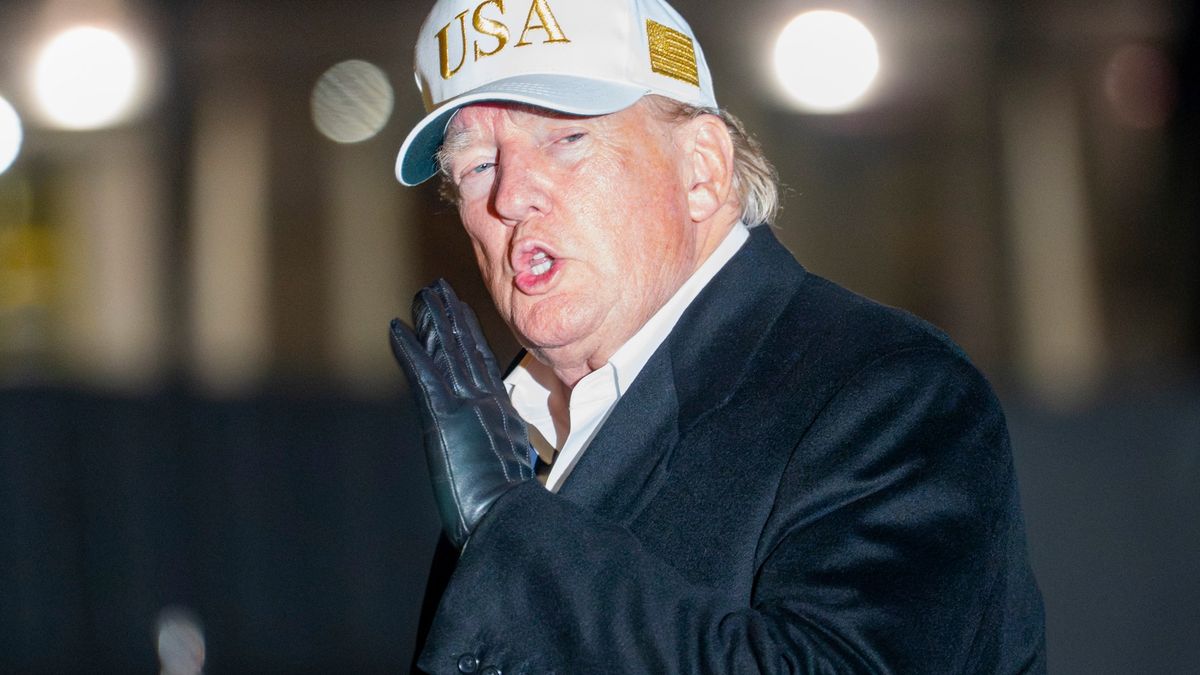
Following a period of intense military engagement with Iran, US President Donald Trump has publicly declared that Israel and several Gulf states must compensate the United States for the financial burden of the conflict. The demand, articulated in a recent interview, specifies that these nations should cover “any and all costs we had for the war,” which the US military estimates at over $47.1 billion as of mid-October, with additional monthly expenditures. This pronouncement comes on the heels of significant midterm election losses for the president’s party, which Trump himself attributed, in part, to public dissatisfaction over the Iran war, a conflict he has now declared “effectively over” militarily.
At its core, President Trump’s demand for repayment from allies represents a profound reorientation of US foreign policy, shifting from a framework of shared strategic interests and mutual defense to one of transactional service provision. This move is less about immediate financial recovery and more about domestic political maneuvering, coupled with a long-held Trump doctrine of treating alliances as commercial contracts.
The timing of this demand is crucial. Coming after a significant electoral setback, Trump’s rhetoric serves multiple domestic purposes. Firstly, it attempts to deflect blame for the war’s unpopularity and cost away from his administration and onto external actors—the very allies he claims to have protected. By framing Israel and Gulf states as beneficiaries who now owe a debt, he appeals to a base that often views foreign aid and military interventions with skepticism. Secondly, it reinforces his “America First” platform, which advocates for a reduction in US global commitments and a re-evaluation of alliances based on perceived financial benefit. This narrative allows Trump to present himself as a shrewd negotiator, protecting US taxpayer money, even if the actual collection of funds is unlikely to be direct or substantial.
For decades, US military presence in the Middle East and its aid to Israel have been underpinned by a complex web of strategic objectives: securing oil flows, countering regional threats, projecting power, and maintaining stability. These were often presented as mutually beneficial arrangements, with US security guarantees exchanged for political alignment, intelligence sharing, and market access. Trump’s demand shatters this implicit understanding, explicitly converting military protection into a billable service. His assertion that Israel “wouldn’t exist” without US intervention, while historically debatable in its absoluteness, is designed to establish a clear creditor-debtor relationship. This redefines the very essence of alliance, reducing shared geopolitical goals to a ledger sheet.
The Gulf Cooperation Council (GCC) states—Saudi Arabia, the UAE, Qatar, Bahrain, and Kuwait—find themselves in a particularly precarious position. While they benefit from US security umbrellas, especially regarding the Strait of Hormuz, they largely opposed the war with Iran and were reportedly not consulted on its initiation. They have since borne the brunt of Iran’s retaliatory strikes, incurring their own significant costs. Their existing contributions to regional security, such as hosting large US military bases and making substantial defense purchases, are often overlooked in Trump’s narrative. For these nations, a direct demand for repayment is not only insulting but also strategically challenging, as it undermines their sovereignty and positions them as mere vassals rather than partners. Their likely response will be one of
The demand comes after a US-led war on Iran, which incurred significant costs. President Trump, facing domestic political pressure after midterm election losses, framed the war as a protective measure for **Israel** and **Gulf states**, for which they should now compensate the US.
President Trump explicitly named **Israel** as a direct participant in the war and also singled out **Saudi Arabia**, the **UAE**, **Qatar**, **Bahrain**, and **Kuwait** as beneficiaries of US military presence in the region.
Analysts suggest **Gulf states** are likely to offer quiet resistance, arguing their existing contributions to regional security. **Israel**, historically a recipient of US aid, is also unlikely to easily reverse its role as a beneficiary, citing its own resource constraints.
Source referenced: ALJAZEERA
This brief was synthesized by our Editorial Engine and reviewed by The Ground Narrative team.