TRENDING

Sunday, 25 October 2026
----------------------
14 Jumada Al-Awwal 1448 AH
The White House defends its Cuba sanctions, citing national security concerns, despite UN warnings of widespread harm to the population and potential humanitarian crisis.
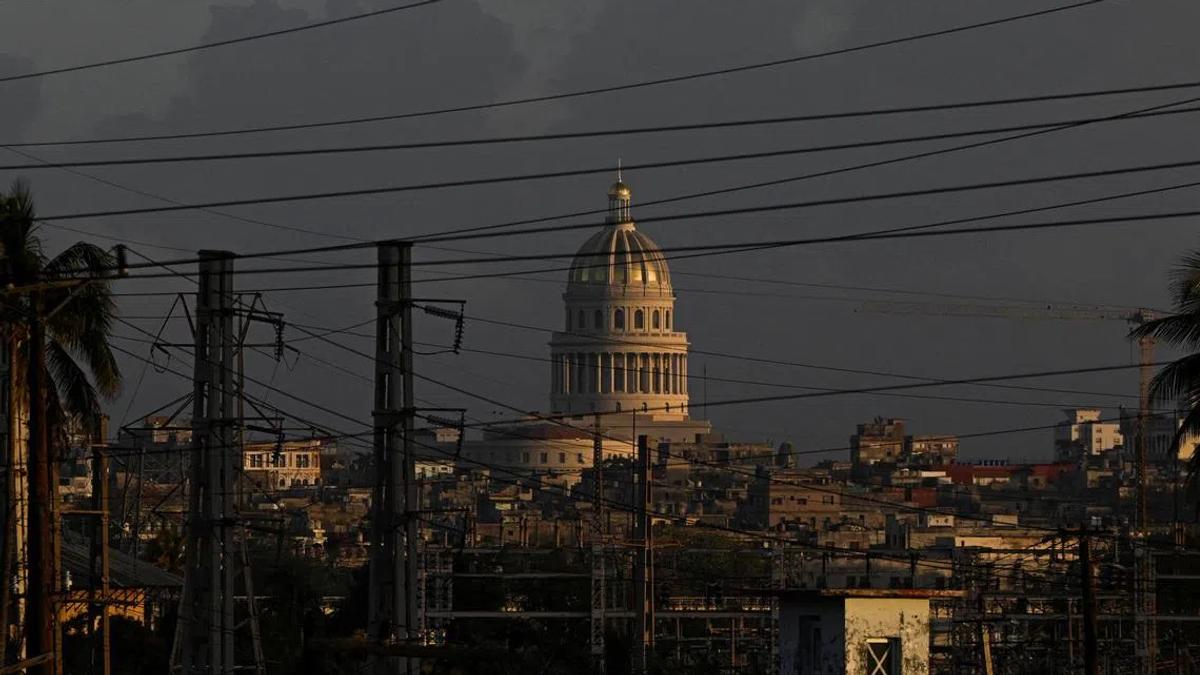
The recent defense of US sanctions on Cuba by the White House has sparked renewed tensions between the two nations. The sanctions, imposed by the Trump administration, target the Cuban government and its leaders, with the aim of pressuring them to make concessions on national security and human rights.
The US-Cuba conflict dates back to the 1959 revolution, which led to the establishment of a communist government on the island. Since then, the US has maintained a trade embargo on Cuba, with the aim of isolating the government and promoting democratic reforms. However, the embargo has had a devastating impact on the Cuban economy and population, leading to widespread poverty and human rights abuses.
The UN High Commissioner for Human Rights, Volker Turk, has warned that the US sanctions are causing "widespread harm to the population and endangering lives." The sanctions have resulted in frequent power outages, affecting access to essential supplies and services, including water, food, and healthcare. The Cuban government has accused the US of using the sanctions as a tool of economic warfare, with the aim of destabilizing the government and promoting regime change.
The White House official's statement that Washington is prepared to start a new chapter with Havana suggests that the US is seeking to re-engage with Cuba, but on its own terms. The official's comment that the current leadership of Cuba is the only obstacle to a new chapter in US-Cuba relations implies that the US is seeking to negotiate a deal with the Cuban government, potentially involving concessions on national security and human rights.
The US-Cuba conflict has significant regional implications, particularly in the context of the ongoing Cold War between the US and China. The US has been seeking to counter China's growing influence in the region, and the sanctions on Cuba are part of this broader strategy. The Cuban government, on the other hand, has been seeking to strengthen its ties with China and other regional powers, in an effort to counter US pressure.
The ongoing sanctions and tensions between the US and Cuba have significant humanitarian implications, particularly for the Cuban population. The UN warnings of a potential humanitarian crisis are a stark reminder of the devastating impact of the sanctions on the Cuban people. The future consequences of the US-Cuba conflict are uncertain, but one thing is clear: the humanitarian crisis unfolding in Cuba is a direct result of the US sanctions and the ongoing conflict between the two nations.
The US-Cuba sanctions have escalated tensions between the two nations, with significant humanitarian implications for the Cuban population. The White House's defense of the sanctions, citing national security concerns, has sparked renewed tensions, and the UN warnings of a potential humanitarian crisis are a stark reminder of the devastating impact of the sanctions on the Cuban people. The future consequences of the US-Cuba conflict are uncertain, but one thing is clear: the humanitarian crisis unfolding in Cuba is a direct result of the US sanctions and the ongoing conflict between the two nations.
Editor's Note: The analysis is based on publicly available information and may not reflect the full complexity of the situation.
Source referenced: STRAITSTIMES
This brief was synthesized by our Editorial Engine and reviewed by The Ground Narrative team.