TRENDING

Monday, 19 October 2026
----------------------
8 Jumada Al-Awwal 1448 AH
The United States has imposed new 50% tariffs on a range of Canadian goods, citing 'discriminatory treatment' by Ottawa. This move significantly escalates trade tensions between the two close allies and directly impacts products covered under the US-Mexico-Canada Agreement (USMCA).
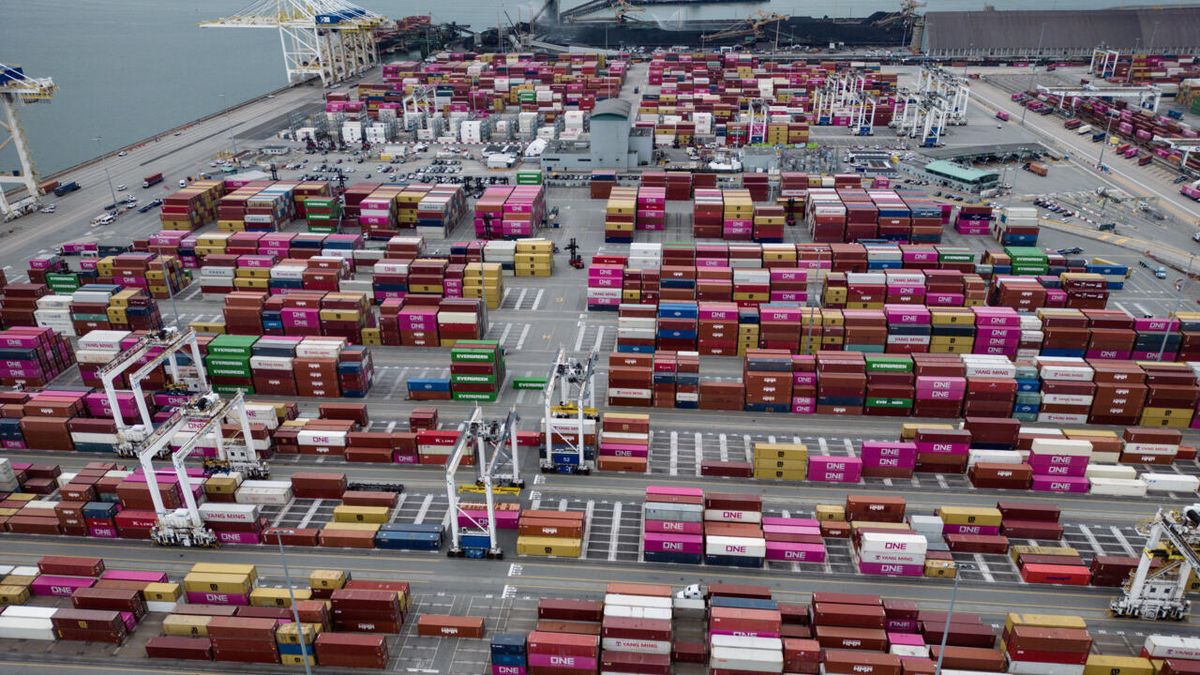
On Monday, July 20, 2026, US President Donald Trump signed orders imposing new 50% tariffs on a selection of Canadian goods. The White House justified these measures by alleging "discriminatory treatment" by Ottawa against American alcohol, automobile, and dairy products. These tariffs are set to take effect in 30 days and will encompass a broad array of products, including wine, hockey sticks, and cement. Notably, certain sectors such as energy, potash, and goods already subject to specific tariffs have been exempted from this latest round of duties.
The imposition of these tariffs aligns with President Trump's long-standing "America First" trade policy, which prioritizes the protection of domestic industries and aims to address perceived trade imbalances. The White House specifically cited Canada's alleged discriminatory practices as the impetus for the action. To implement these duties, President Trump invoked Section 338 of the Tariff Act of 1930, a lesser-known legal provision that grants officials the authority to act against countries deemed to be engaging in discriminatory trade practices. This particular legal avenue allows for unilateral action, bypassing broader international trade dispute mechanisms and underscoring a preference for direct, assertive measures.
Crucially, these new tariffs are designed to impact products that are otherwise covered under the US-Mexico-Canada Agreement (USMCA), the free trade pact that replaced NAFTA. This marks a significant departure from previous tariff actions by the Trump administration, which often included broad exemptions for goods traded under the North American agreement. By targeting USMCA-covered goods, the administration signals a willingness to challenge the very framework of the regional trade agreement, potentially undermining its stability and the predictability of North American economic relations.
This action is poised to further strain ties between Washington and Ottawa, two nations that share the world's longest undefended border and are deeply integrated economically. The timing of the tariffs, coming just days after President Trump reportedly threatened Canada with increased duties over smoke from wildfires drifting into the United States, suggests a broader pattern of using trade as a tool for leverage and asserting dominance in bilateral interactions. Such measures risk provoking retaliatory tariffs from Canada, potentially spiraling into a tit-for-tat trade dispute that would harm businesses and consumers in both countries.
The decision to impose tariffs on a close ally like Canada, particularly within the context of an existing free trade agreement, carries significant geopolitical implications. It reinforces a perception of transactional diplomacy, where economic leverage is prioritized over traditional alliances and established trade norms. This approach could erode trust and cooperation not only between the US and Canada but also among other allies who rely on the stability of international trade agreements.
Economically, the tariffs will likely lead to increased costs for specific Canadian exports to the US and potentially higher prices for American consumers. Supply chains, particularly in the affected sectors like automobiles and dairy, could face disruptions. Beyond the immediate economic impact, this move sends a strong signal about the future direction of US trade policy, suggesting a continued inclination towards protectionism and unilateral action. This could further challenge the multilateral trade system and encourage other nations to adopt similar protectionist measures, leading to a more fragmented and less predictable global trading environment. The broader context of previous threats, such as those related to a pending China trade deal, indicates a consistent strategy of using tariffs as a primary instrument in international economic relations.
The imposition of 50% tariffs on Canadian goods represents a significant escalation in US-Canada trade relations and poses a direct challenge to the integrity of the USMCA. Driven by claims of discriminatory treatment and rooted in a protectionist trade philosophy, these actions threaten to destabilize North American economic ties and could trigger retaliatory measures. The geopolitical implications extend beyond the immediate bilateral relationship, signaling a continued shift towards unilateral trade enforcement that could reshape global trade dynamics and strain allied relationships worldwide.
Source referenced: FRANCE24
This brief was synthesized by our Editorial Engine and reviewed by The Ground Narrative team.