TRENDING

Monday, 5 October 2026
----------------------
24 Rabi' Al-Thani 1448 AH
The US government has authorized private companies to hack foreign cybercriminals, sparking debate among experts on the potential benefits and risks of this approach. The move aims to combat costly crimes like ransomware and online fraud, but raises concerns about oversight, ethics, and diplomatic fallout.
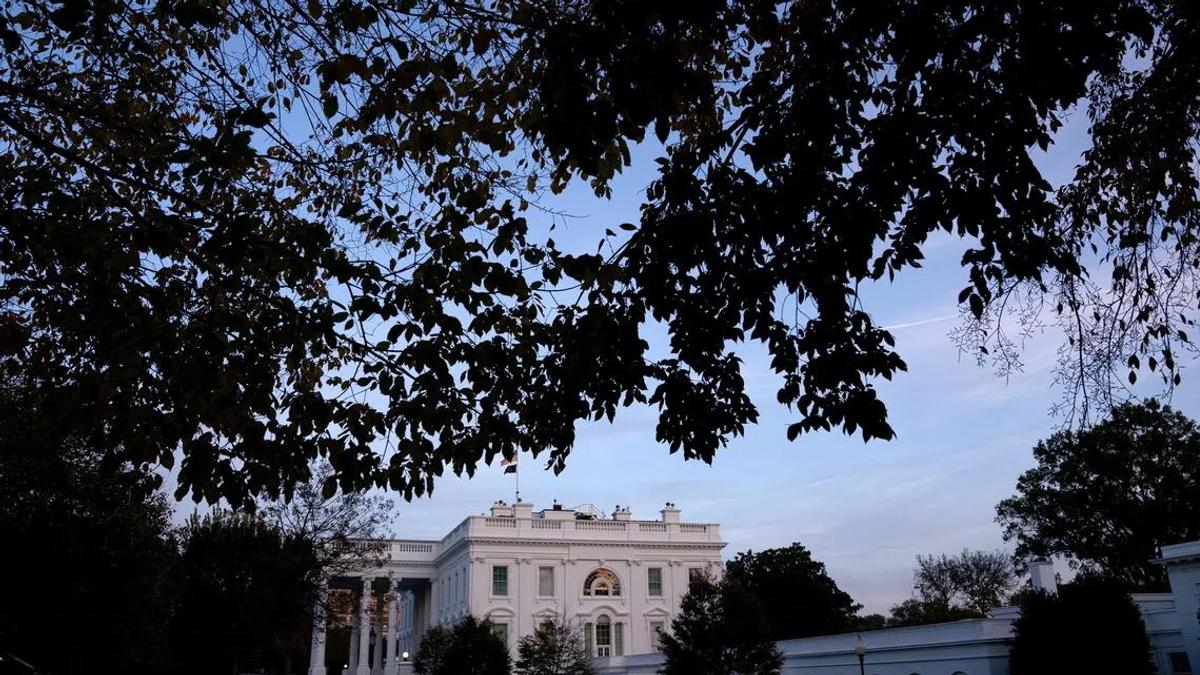
The US government has taken a significant step in its fight against cybercrime by authorizing private companies to hack foreign cybercriminal groups. This move, announced through a presidential memorandum, marks a policy reversal and has sparked intense debate among experts. The program, which will require government approval and strict oversight, aims to combat crimes like ransomware and online fraud that have cost Americans over $20 billion in 2025.
The decision to allow private companies to engage in cyber operations against foreign entities is a calculated risk. On one hand, it leverages the expertise and resources of the private sector to combat cybercrime. On the other hand, it raises concerns about the potential for abuse, misattribution, and escalation. The US government's ability to oversee and control these operations will be crucial in determining their success. The involvement of private companies also blurs the lines between state and non-state actors, creating a complex web of accountability and responsibility.
The human cost of cybercrime is significant, with millions of people affected by ransomware, online fraud, and other forms of cyber exploitation. The new program aims to reduce these costs by disrupting the operations of cybercriminal groups. However, there is also a risk that innocent parties could be caught in the crossfire, either through misattribution or collateral damage. The potential for diplomatic fallout is also high, as foreign governments may view US-backed cyber operations as a violation of their sovereignty.
One aspect of this story that is not being fully discussed is the potential for this program to create a new market for cyber mercenary services. Private companies may see this as an opportunity to develop new business models and revenue streams, potentially creating a new industry of cyber vigilantism. This raises concerns about the potential for abuse and the lack of transparency and accountability in these operations. The US government's decision to allow private companies to engage in cyber operations also creates a precedent that other countries may follow, potentially leading to a destabilization of the global cyber landscape.
As this program unfolds, there are several key developments to watch. First, the US government's ability to oversee and control these operations will be crucial in determining their success. Second, the reaction of foreign governments to US-backed cyber operations will be important, as it could lead to diplomatic fallout and potentially even retaliation. Third, the potential for this program to create a new market for cyber mercenary services will be worth monitoring, as it could have significant implications for the global cyber landscape. Finally, the human cost of these operations will need to be carefully tracked, as innocent parties could be caught in the crossfire.
Editor's Note: The success of this program will depend on the US government's ability to oversee and control these operations, as well as the reaction of foreign governments to US-backed cyber operations.
Source referenced: STRAITSTIMES
This brief was synthesized by our Editorial Engine and reviewed by The Ground Narrative team.


