TRENDING

Monday, 5 October 2026
----------------------
24 Rabi' Al-Thani 1448 AH
Reciprocal strikes between Russia and Ukraine escalate, targeting homes, ports, oil refineries, and logistics hubs. Civilians and global trade bear the brunt of this expanding economic warfare.
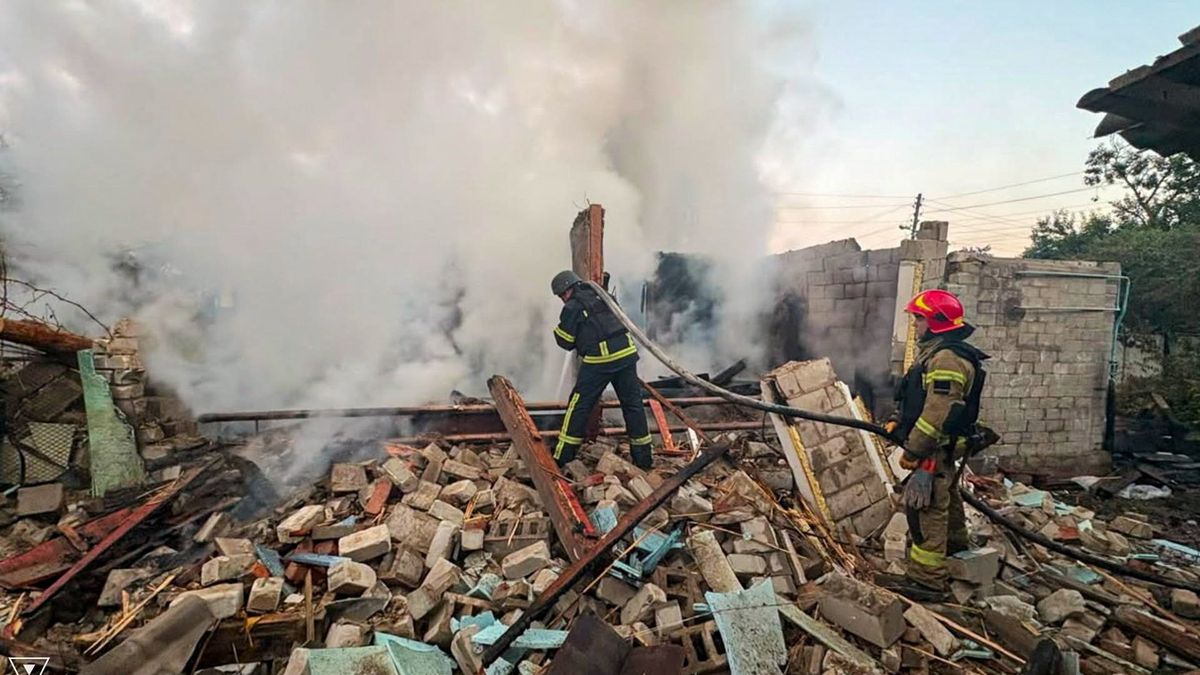
Russian forces launched a series of overnight strikes across Ukraine, killing at least six civilians in the Kharkiv and Sumy regions, wounding dozens more in Dnipropetrovsk and Kherson, and damaging a foreign-flagged grain vessel in Odesa. Simultaneously, Moscow claimed to have intercepted over 600 Ukrainian drones targeting its territory and annexed Crimea. Ukraine, in turn, asserted responsibility for drone attacks deep inside Russia, hitting two oil refineries in Bashkortostan and Yaroslavl, and confirmed ongoing strikes on logistics centers, including warehouses belonging to the e-commerce giant Wildberries.
The latest volley of reciprocal strikes reveals a deepening and broadening of the conflict, moving beyond conventional front lines to a systematic targeting of each other's economic and logistical lifelines. For Russia, the continued assault on Ukrainian cities and Black Sea ports is a multi-pronged strategy: to degrade Ukraine's military and economic capacity, particularly its vital grain exports, and to exert psychological pressure on the civilian population. The goal is to make the cost of resistance unbearable, hoping to erode morale and force concessions. By striking ports and trade routes, Moscow aims to choke Ukraine's access to international markets and aid, thereby diminishing its ability to sustain the war effort.
Ukraine's response, primarily through drone attacks on Russian territory, reflects an asymmetric strategy designed to bring the direct costs of war home to Russia. Targeting critical infrastructure like oil refineries aims to disrupt Russia's energy exports, a key source of funding for its war machine, and to complicate its domestic fuel supply. The repeated strikes on logistics hubs, such as Wildberries warehouses—which Kyiv alleges are used for dual-use military supplies—are intended to disrupt supply chains and create economic friction within Russia. This strategy seeks to demonstrate that no part of Russia is immune from the conflict, challenging the Kremlin's narrative of a distant “special military operation” and potentially fostering domestic discontent. Both sides are locked in a brutal logic of attrition, where the ability to inflict economic pain and sustain domestic resilience is as crucial as battlefield gains.
While military strategists and political leaders debate the efficacy of these strikes, the immediate and profound human cost falls overwhelmingly on ordinary citizens. In Ukraine, families in Kharkiv and Sumy lost loved ones and homes overnight, their lives shattered by explosions that offer no warning. The constant threat of guided aerial bombs and drones forces communities into a perpetual state of anxiety, disrupting education, work, and the very fabric of daily life. Beyond the direct casualties, the damage to a foreign-flagged ship carrying wheat underscores the broader impact on global food security and the lives of seafarers, one of whom was killed. These individuals, often from developing nations, risk their lives to keep global trade flowing, becoming unintended victims in a conflict far from their homes.
In Russia, while direct civilian casualties from drone attacks are less frequently reported, the targeting of economic infrastructure like e-commerce warehouses and oil refineries carries its own human toll. Workers in these facilities face danger, and the disruption to supply chains can lead to job insecurity, price increases, and a general decline in economic stability. The psychological impact of drones flying deep into Russian territory, even if intercepted, chips away at the sense of security and normalcy, gradually eroding public trust and challenging the state's ability to protect its citizens and economy. The war, once seemingly distant for many Russians, is slowly but surely becoming a tangible presence in their daily lives.
What often goes unstated in official communiqués and military briefings is the dangerous normalization of this expanded conflict. Both Moscow and Kyiv present these reciprocal strikes as necessary actions, framing them within a narrative of defense or strategic imperative. Yet, this framing downplays the escalating risks and the long-term, cumulative damage. Governments rarely fully account for the psychological trauma inflicted on populations living under constant threat, nor the ripple effects of economic disruption that extend far beyond immediate targets. The targeting of a major e-commerce retailer like Wildberries, for instance, blurs the lines between military and civilian infrastructure, making virtually any economic activity a potential target and increasing the precarity of civilian life and commerce.
Furthermore, the international community often focuses on the immediate humanitarian crisis or specific military movements, but less on the insidious creep of economic warfare that impacts global supply chains, insurance markets, and ultimately, consumer prices worldwide. The increased cost of shipping, the volatility in energy markets, and the disruption of agricultural exports are not just abstract economic indicators; they translate into higher grocery bills, more expensive fuel, and reduced economic opportunities for millions globally, particularly in vulnerable economies. This silent, systemic cost is rarely highlighted by the powerful actors who initiate and sustain these destructive cycles.
Looking ahead, several critical indicators will shape the trajectory of this conflict. First, observe the frequency and depth of Ukrainian drone attacks into Russian territory. Will Kyiv continue to push the boundaries of its long-range capabilities, aiming for even more strategically significant targets or population centers? Second, monitor Russia's response to these incursions, particularly its targeting of Ukrainian critical infrastructure and civilian areas. Will Moscow escalate its “strangulation” tactics on Black Sea trade or intensify its bombardment of cities?
Third, the resilience of both economies under sustained attack will be crucial. How effectively can Russia mitigate the impact of refinery strikes and logistics disruptions? How will Ukraine's economy, already heavily reliant on international aid, cope with continued assaults on its trade routes and infrastructure? Finally, watch for any shifts in international diplomatic efforts or further military aid packages. As the conflict broadens its scope and deepens its economic impact, the pressure for a resolution, or at least a de-escalation, will intensify, but the path to achieving it remains fraught with the entrenched interests of all parties.
Source referenced: ALJAZEERA
This brief was synthesized by our Editorial Engine and reviewed by The Ground Narrative team.


