TRENDING

Monday, 5 October 2026
----------------------
24 Rabi' Al-Thani 1448 AH
The 2026 NATO Summit in Ankara marks a pivotal shift in Ukraine's engagement, moving beyond immediate membership bids to assert its indispensable role in the alliance's collective defense. Kyiv's new strategy of deep drone strikes into Russia and its diplomatic overtures signal a pragmatic recalibration of its war efforts and peace objectives.
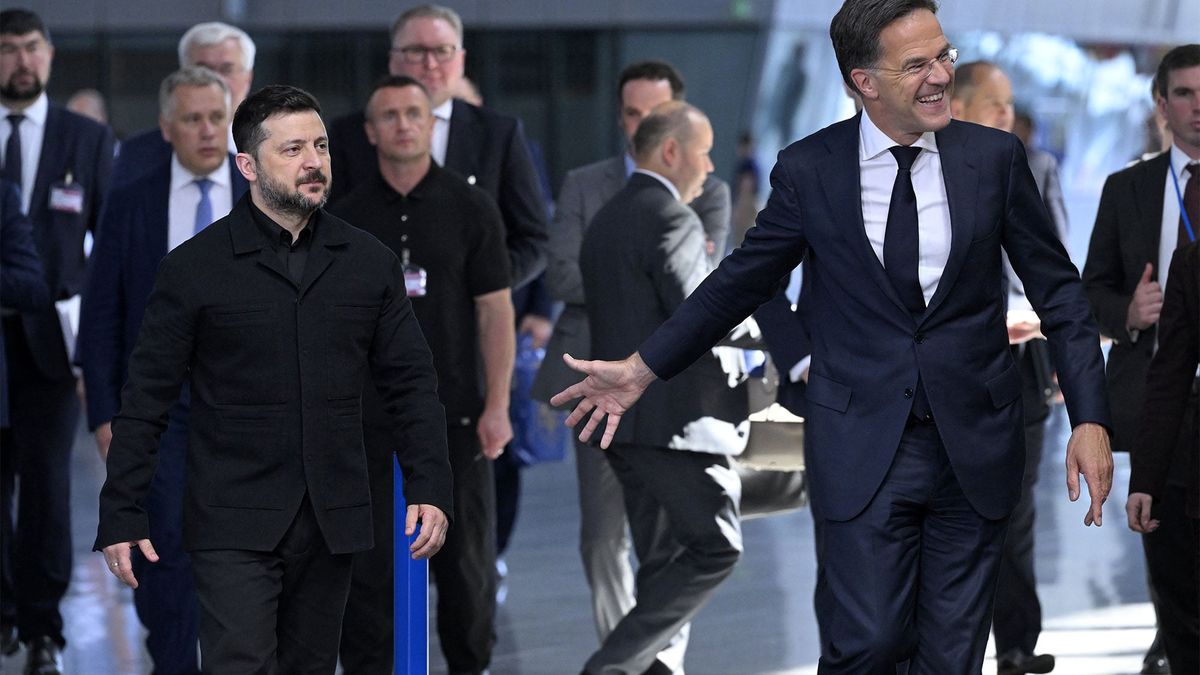
The 2026 NATO Summit, convened in Ankara, Turkey, on July 7, has emerged as a critical juncture for the ongoing Russia-Ukraine war, now in its fifth year. While previous summits often centered on Ukraine's aspirations for NATO membership, this year's gathering reflects a significant strategic evolution in Kyiv's approach. Ukrainian Ambassador to the United States, Olga Stefanishyna, articulated this shift, stating that the focus is no longer solely on political consensus for membership, but on the "obvious fact that the NATO collective defense is no longer possible without Ukraine."
This recalibration underscores a pragmatic recognition of the immediate geopolitical realities, where full NATO membership remains a complex and contentious issue. Instead, Ukraine is positioning itself as an indispensable partner whose security and operational capabilities are intrinsically linked to the broader European security architecture. This perspective aims to deepen military and strategic integration with NATO allies, securing sustained support and resources without the formal accession process.
A key driver of this evolving narrative is Ukraine's intensified military strategy, particularly its deployment of drone strikes deep into Russian territory. These operations, targeting critical energy infrastructure, represent what Ukrainian President Volodymyr Zelensky has termed Kyiv's "long-range sanctions" on Russia. The objective is multifaceted: to impose significant economic costs on Moscow, disrupt its war machine by cutting off revenue streams from oil and gas, and, crucially, to bring the direct impact of the war to the Russian populace.
Ambassador Stefanishyna highlighted that these attacks are making it increasingly difficult for President Vladimir Putin to shield the Russian public from the war's true costs. By exposing a wider segment of the Russian population to the realities of conflict, Ukraine hopes to broaden the circle of "decision-makers" beyond Putin, potentially fostering internal pressure for an end to hostilities. This asymmetric strategy is designed to counter Russia's conventional military advantages by leveraging technological innovation and psychological warfare, aiming to erode domestic support for the conflict.
However, Russia's response remains unyielding. On the eve of the Ankara summit, Moscow launched another deadly attack on Kyiv, signaling its continued resolve and demonstrating that Ukraine's offensive actions have not deterred its military objectives. This tit-for-tat escalation underscores the brutal and protracted nature of the conflict, where both sides are committed to imposing costs on the other.
Amidst the military maneuvering, Ukraine is also actively pursuing diplomatic avenues, particularly with the United States. Ambassador Stefanishyna noted a recent "shift in tone" from the Trump administration, with President Trump and other officials expressing more criticism of Russia and praising the Ukrainian military. While acknowledging that this has not yet translated into a clear policy shift, Kyiv views this rhetorical change as an encouraging sign, potentially opening doors for more robust U.S. diplomatic engagement.
Ukraine is actively advocating for the U.S. to play a more critical and institutionalized role in diplomatic efforts to end the war. Drawing a parallel with the U.S.-Iran peace framework, Kyiv hopes that a similar "strong and powerful institutional framework" could be replicated for the Russia-Ukraine conflict within the White House and Department of State. This indicates Ukraine's desire for a dedicated, high-level U.S. diplomatic initiative, believing it could accelerate tangible results towards peace.
Significantly, President Zelensky has also indicated that "stopping on the existing line [of conflict] is one of the options on the table." This statement represents a potential strategic concession, signaling a willingness to negotiate a ceasefire based on current front lines rather than insisting on the full recovery of all occupied territories as a precondition. Such a stance could be a pragmatic move to open diplomatic channels and secure a cessation of hostilities, especially if U.S. support for a full military victory wanes.
The Ankara summit and Ukraine's evolving strategy carry profound geopolitical implications. For NATO, the war has fundamentally reshaped its collective defense posture, reinforcing the alliance's eastern flank and highlighting the intrinsic link between Ukraine's security and broader European stability. The discussions in Ankara are expected to solidify commitments to Ukraine, even as the path to full membership remains complex.
For Russia, Ukraine's drone campaign presents a new challenge, forcing Moscow to contend with the war's direct impact on its own territory and potentially complicating Putin's ability to maintain domestic narratives. The long-term effectiveness of this strategy in compelling Russia to negotiate remains to be seen, but it undeniably adds another layer of pressure.
Ultimately, the 2026 NATO Summit serves as a crucial platform for reassessing the conflict's trajectory. Ukraine's pragmatic shift from an exclusive focus on membership to emphasizing its indispensable role in collective defense, coupled with its dual strategy of military pressure and diplomatic flexibility, underscores a sophisticated approach to navigating a protracted and brutal war. The coming months will reveal whether these strategic adjustments can pave the way for a more robust international diplomatic effort and a viable path towards a lasting resolution.
Source referenced: FOREIGNPOLICY
This brief was synthesized by our Editorial Engine and reviewed by The Ground Narrative team.


