TRENDING

Tuesday, 6 October 2026
----------------------
25 Rabi' Al-Thani 1448 AH
A Ukrainian woman, wanted by Interpol for a bomb attack in Monaco, was found shot dead near Kyiv, leading to the detention of an employee from Ukraine's military intelligence service (HUR) for her murder. This incident raises significant questions about the conduct of Ukrainian intelligence, internal accountability, and potential diplomatic ramifications amidst the ongoing conflict.
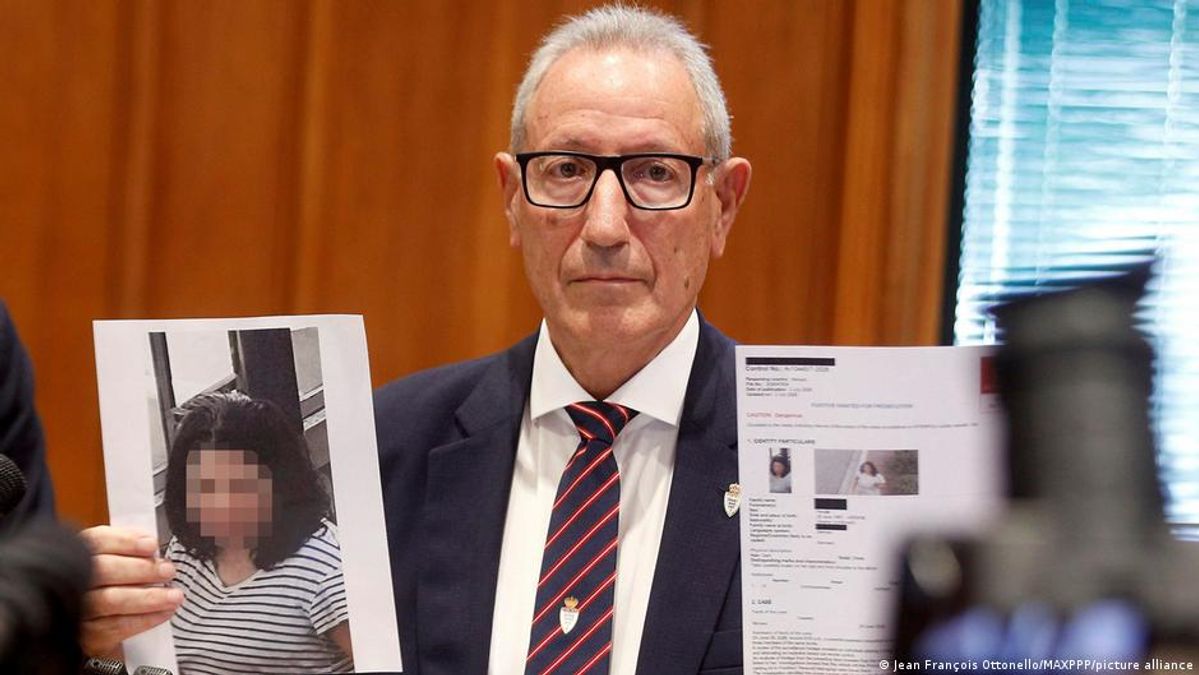
Late last Monday, Anastasiia Berezovska, a 39-year-old Ukrainian citizen and the subject of an Interpol Red Notice issued by Monaco authorities, was found shot dead near Kyiv. Her death has rapidly escalated into a complex international incident following the announcement by Ukraine's prosecutor general's office on Tuesday that an employee of Ukraine's military intelligence service, the HUR, had been detained in connection with her murder. This development not only deepens the mystery surrounding the Monaco bomb attack but also casts a critical spotlight on the internal operations and accountability of Ukraine's intelligence apparatus during wartime.
Berezovska was wanted by Monaco investigators for her alleged involvement in a bomb attack that occurred the previous Monday. The target of this assault was Vadym Yermolaiev, a Ukrainian-born Cypriot citizen, his partner, and son, all of whom were wounded. The attack, described by Prince Albert II as an "odious act," shocked the affluent coastal principality, a known haven for the wealthy. Crucially, Yermolaiev had been sanctioned by Kyiv since 2023, reportedly due to his business interests in Russian-occupied Crimea. This detail introduces a layer of geopolitical complexity, suggesting potential links between the attack, Ukrainian internal politics, and the broader conflict with Russia.
Following the Monaco incident, Berezovska, identified by a distinctive tattoo and her German language skills, was believed to have crossed into France on foot before traveling by car through Italy to Germany, where she had a rented apartment in Frankfurt that was subsequently searched by German authorities. Her journey across multiple European borders highlights the international dimension of the initial investigation, involving law enforcement agencies from several nations.
The discovery of Berezovska's body near Kyiv and the subsequent detention of a HUR employee for her murder mark a critical turning point. According to Ukrainska Pravda, citing law enforcement sources, the detained HUR employee claimed to have killed Berezovska alongside another suspect, identified as a former law enforcement official. This alleged involvement of a serving military intelligence officer in the extrajudicial killing of an internationally wanted suspect on Ukrainian soil raises profound questions about the chain of command, oversight mechanisms, and the rule of law within Ukraine's security services.
This incident carries significant geopolitical weight and poses several challenges for Ukraine:
* Internal Governance and Accountability: The alleged involvement of a HUR employee in a murder directly challenges Ukraine's commitment to democratic governance and the rule of law, especially as it seeks closer integration with Western institutions. It necessitates a thorough, transparent investigation to ensure accountability and prevent similar occurrences, which could otherwise erode public and international trust in Ukrainian state institutions.
* International Relations and Trust: Ukraine relies heavily on international support, particularly from Western allies, for its defense and reconstruction efforts. An incident involving its military intelligence in the murder of an Interpol-wanted individual could strain diplomatic relations, particularly with Monaco and Germany, and potentially lead to increased scrutiny from partners regarding the conduct of its security services and the use of aid.
* The Oligarch Factor and Wartime Politics: The target of the Monaco attack, Vadym Yermolaiev, being sanctioned by Kyiv for his Crimean business interests, suggests a potential nexus between high-stakes business, wartime politics, and covert operations. The motivations behind both the Monaco attack and Berezovska's subsequent murder remain unclear but could be linked to financial disputes, political retribution, or efforts to silence potential witnesses or operatives.
* Information Warfare: Russia could exploit this narrative to undermine Ukraine's international standing, portraying it as a lawless state where intelligence services operate with impunity. This could complicate Ukraine's efforts to maintain a unified international front against Russian aggression.
The death of Anastasiia Berezovska and the alleged involvement of a Ukrainian military intelligence officer in her murder present a severe test for Ukraine's commitment to justice and transparency. As the investigation unfolds, the international community will be closely watching how Kyiv addresses these serious allegations. The outcome will not only determine the fate of those involved but also significantly impact Ukraine's reputation, its internal stability, and its relationships with key international partners at a critical juncture in its history. The need for a swift, impartial, and comprehensive inquiry is paramount to uphold the principles of justice and maintain international confidence in Ukraine's institutions.
Editor's Note: The precise motivations for Anastasiia Berezovska's murder by the HUR employee are not detailed in the provided article and remain subject to ongoing investigation.
Source referenced: DW
This brief was synthesized by our Editorial Engine and reviewed by The Ground Narrative team.