TRENDING

Sunday, 20 September 2026
----------------------
9 Rabi' Al-Thani 1448 AH
Ukraine launched more than a thousand drones at Moscow during Russia's Duma vote, turning the capital into a battlefield. The strike reveals new leverage for Kyiv, strains Russia's political narrative, and puts ordinary Muscovites in the cross‑fire.
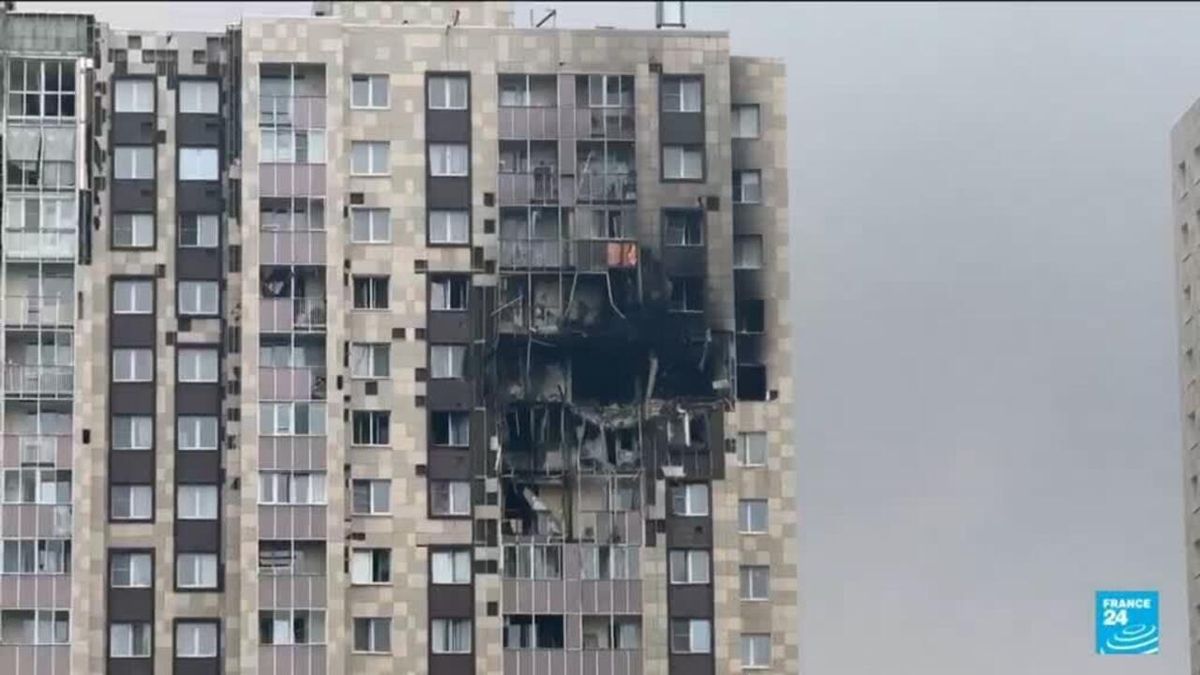
On 20 September 2026, Ukraine unleashed a coordinated swarm of over 1,000 loitering munitions and commercial‑grade drones against targets in Moscow and surrounding areas. The barrage coincided with the final day of Russia’s three‑day Duma election, the first to be held in occupied Ukrainian territories. Video footage showed explosions near a refinery, residential blocks, and the Kremlin’s outer perimeter, while Russian officials reported limited damage and downed aircraft.
The attack is the product of several intersecting incentives. Kyiv’s military doctrine has increasingly embraced low‑cost, high‑volume drone warfare to offset Russia’s conventional superiority. Western allies, notably the United States and several EU states, have quietly expanded the flow of commercial drone kits and guidance modules, allowing Ukraine to field swarms without a proportional rise in expense.
For Russia, the Duma vote is a political survival tool. Holding elections in annexed Ukrainian regions signals domestic legitimacy and a narrative of territorial permanence. A large‑scale strike during the vote forces the Kremlin to balance two imperatives: projecting resilience to its base while avoiding a narrative of vulnerability that could embolden opposition or erode confidence among allied regimes.
The air‑defence calculus also matters. Russia’s layered S‑300/5‑71 systems are calibrated for high‑altitude threats; a swarm of low‑observable drones strains radar bandwidth and decision loops, compelling the military to divert assets from the front lines in Ukraine. This reallocation creates a subtle feedback loop: the more Kyiv can force Russia to protect its own heartland, the more pressure mounts on its front‑line forces.
While officials trade soundbites, ordinary Muscovites bear the immediate fallout. Residents near the targeted refinery reported air‑raid alarms, temporary power outages, and smoke‑filled skies, prompting school closures and disrupting daily commutes. Small businesses near the blast zones faced inventory loss and heightened insurance premiums, while the city’s emergency services stretched thin responding to dozens of simultaneous incidents.
On the Ukrainian side, the drone operators—often young civilians recruited from university tech programs—face legal and psychological risks. Their missions are logged, and any capture could be used by Russian propaganda to portray Ukraine as a terrorist actor, exposing families to retaliation.
Russian state media downplays the scale, emphasizing “isolated incidents” and framing the swarm as a “terrorist provocation” rather than a military operation. This language serves two purposes: it delegitimizes Kyiv’s defensive narrative and justifies tighter security measures that can suppress dissent ahead of the Duma results.
Conversely, Western coverage highlights the technological ingenuity of Ukraine, glossing over the growing dependence on foreign-supplied drone components that could become a diplomatic lever. Neither side fully addresses the environmental toll of burning fuel at the refinery or the long‑term health impacts of particulate fallout on Moscow’s population.
Watch for three converging developments. First, Russia’s air‑defence procurement: expect accelerated orders for low‑altitude detection systems and electronic‑warfare suites, potentially reshaping the regional arms market. Second, the outcome of the Duma election: a higher-than‑expected abstention rate or protest votes could signal public fatigue with the war narrative, influencing Kremlin policy.
Finally, Western drone policy will come under scrutiny. If the swarm proves decisive, allies may face pressure to expand the supply chain, risking escalation or triggering sanctions from Moscow. Monitoring diplomatic cables and procurement announcements over the next weeks will reveal whether the drone surge is a one‑off tactic or the start of a new low‑cost escalation paradigm.
In short, the Moscow swarm is less about a single night of fireworks and more about a shifting balance of asymmetric leverage, political legitimacy, and civilian exposure—a dynamic that will shape the conflict’s trajectory for months to come.
Source referenced: FRANCE24
This brief was synthesized by our Editorial Engine and reviewed by The Ground Narrative team.


