TRENDING

Sunday, 1 November 2026
----------------------
21 Jumada Al-Awwal 1448 AH
The United Kingdom has frozen assets and banned travel for fifteen Sudanese military leaders tied to the siege of El Fasher. While the move signals accountability, the real story lies with the displaced families left to rebuild their lives.
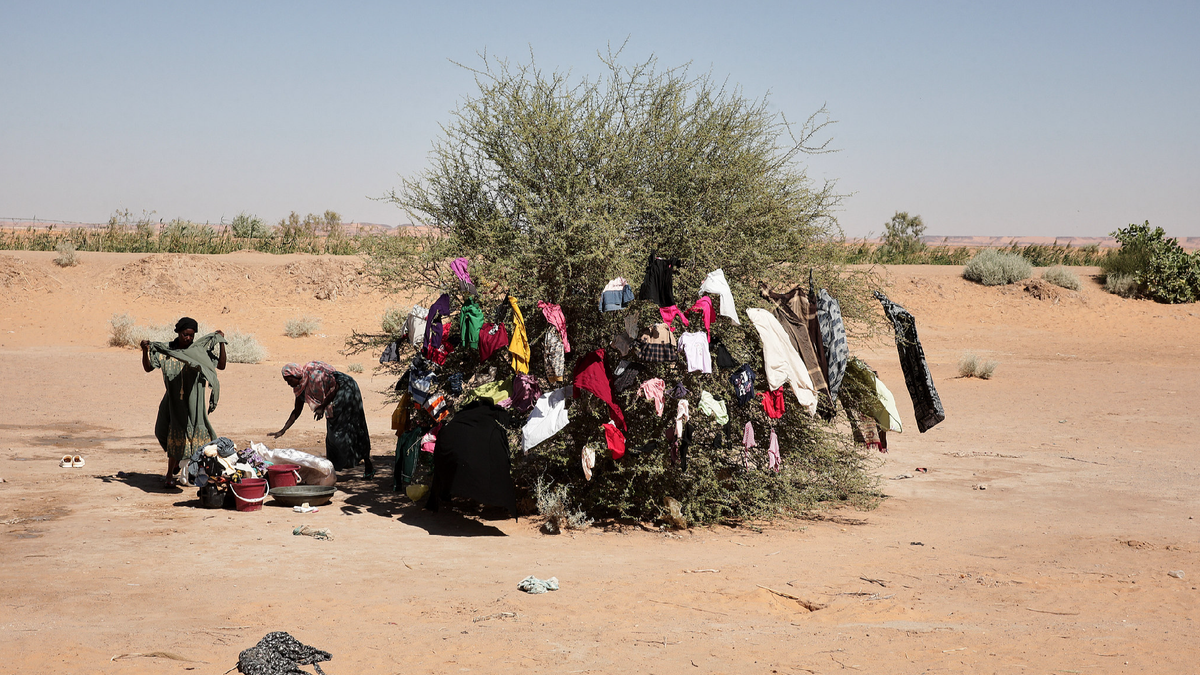
The United Kingdom announced travel bans and asset freezes for fifteen senior officers from the Rapid Support Forces (RSF) and the Sudan Armed Forces (SAF) linked to the 18‑month siege of El Fasher in North Darfur. The sanctions, unveiled a year after the city fell, cite systematic starvation, mass killings, and widespread sexual violence against civilians. In parallel, London pledged $6.6 million for survivor care and $13.3 million for broader humanitarian aid in displacement camps around Tawila and El Obeid.
- Strategic signaling – By targeting high‑ranking commanders, the UK seeks to demonstrate that violations of international humanitarian law will attract concrete costs, reinforcing its post‑Brexit foreign‑policy narrative of “principled realism.”
- Domestic politics – The sanctions arrive amid growing pressure from UK civil society and opposition MPs demanding a tougher stance on human rights abuses abroad, especially after criticism of the government’s arms sales to Gulf states linked to the conflict.
- Regional patronage – The RSF enjoys backing from the UAE and, to a lesser extent, Saudi Arabia, both of which view the militia as a counterweight to Iranian influence in the Horn of Africa. By sanctioning RSF leaders, the UK indirectly challenges these patronage networks without confronting the Gulf powers directly.
- Military calculus – For the SAF, the sanctions serve as a reminder that cooperation with the RSF does not grant immunity from international repercussions, nudging Khartoum toward a negotiated settlement that could preserve its own chain of command.
- Economic leverage – Asset freezes target personal bank accounts and overseas property, aiming to cut off the financial lifelines that enable commanders to fund militia operations, purchase weapons, and reward loyalty.
The siege choked El Fasher's supply lines, leaving tens of thousands without food, clean water, or medical care. Satellite imagery from late 2025 shows abandoned markets and empty warehouses, while humanitarian NGOs report that malnutrition rates among children under five spiked to 45 %.
Investigations funded by the UK documented systematic rape and sexual slavery perpetrated by both RSF and SAF units. Survivors describe forced marriages, the use of sexual violence to intimidate entire villages, and the destruction of reproductive health services, leaving countless women with untreated injuries and trauma.
Beyond the immediate physical harm, the conflict shattered livelihoods. Farmers lost livestock to looting, traders saw their goods destroyed, and the collapse of local markets forced many to migrate to overcrowded camps in Al Dabbah and Northern State, where aid distribution is erratic and protection services are scarce.
- Western arms paradox – While the UK publicly condemns RSF atrocities, it continues to approve export licenses for dual‑use equipment that can be repurposed for militia use. This duality is rarely highlighted in official statements, creating a narrative gap between condemnation and material support.
- Selective accountability – The sanctions focus on a handful of commanders, yet many lower‑ranking officers and local warlords who orchestrated day‑to‑day abuses remain untouched. This limited scope suggests a symbolic gesture aimed at appeasing domestic critics rather than a comprehensive justice strategy.
- Media framing – International coverage often emphasizes the UK’s moral stance, downplaying the role of regional actors like the UAE, which supplies drones and logistical support to the RSF. By omitting these links, the broader power contest in the Red Sea corridor stays invisible to the public.
- Humanitarian funding strings – The announced $6.6 million for survivor services is earmarked for NGOs operating under strict monitoring, but bureaucratic delays and security restrictions have already hampered disbursement, leaving many women without the promised safe spaces.
- Follow‑up sanctions – The UK may expand its blacklist if evidence of continued abuses emerges, potentially targeting business fronts and financial intermediaries linked to the RSF’s supply chain.
- Peace negotiations – The African Union and UN are pushing for a ceasefire framework. How the sanctioned commanders respond could influence whether the talks gain traction or collapse.
- Regional power shifts – Any change in UAE or Saudi engagement—whether a pull‑back due to diplomatic pressure or a deeper investment—will reshape the balance between the RSF and SAF.
- Humanitarian access – Watch for new corridors opened by the Sudanese government or rebel groups, and for any UN Security Council resolutions that could either bolster or undermine the UK’s sanctions regime.
- Domestic UK debate – Parliamentary hearings on the effectiveness of sanctions versus direct aid will reveal whether London will double down on punitive measures or pivot toward larger humanitarian budgets.
The coming months will test whether sanctions translate into tangible protection for the women drying clothes on a tree in El Fasher, or remain a diplomatic flourish that leaves the most vulnerable to the same cycles of violence.
The UK acted after its funded investigations documented systematic starvation and sexual violence during the siege of El Fasher, aiming to hold senior RSF and SAF officers personally accountable.
While the sanctions target commanders, they also free up funds for survivor care and humanitarian aid, yet limited enforcement and ongoing regional support mean many civilians still face food insecurity and protection gaps.
Source referenced: CGTN
This brief was synthesized by our Editorial Engine and reviewed by The Ground Narrative team.


