TRENDING

Friday, 9 October 2026
----------------------
28 Rabi' Al-Thani 1448 AH
The arrest of Ndodana Mkhanyisi Tshuma, a British citizen of Zimbabwean heritage, in South Africa for the murder of his wife and two daughters in the UK highlights the complexities of international cooperation in law enforcement and the challenges of transnational crime.
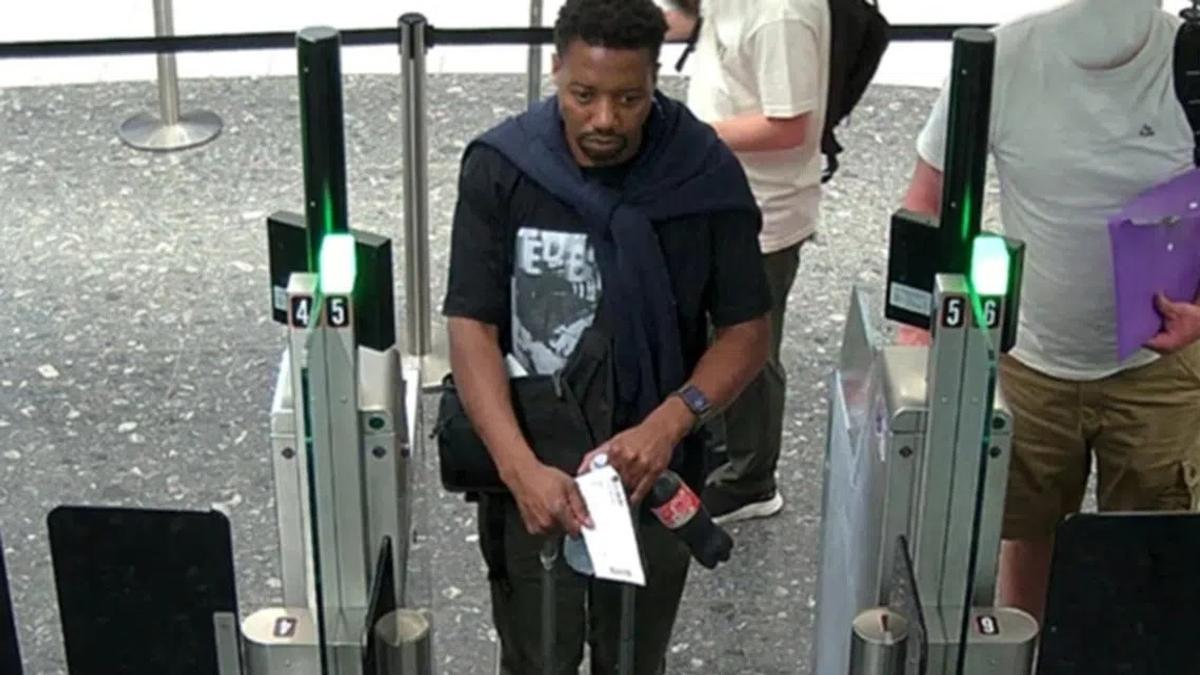
The arrest of Ndodana Mkhanyisi Tshuma, a 45-year-old British citizen of Zimbabwean heritage, in Johannesburg, South Africa, on July 10, 2026, marks a significant development in the investigation into the murder of his wife, Zandile Tshuma, 42, and their two daughters, Natalie, 15, and Nala, 5, in Bedford, England.
Ndodana Mkhanyisi Tshuma, a British citizen of Zimbabwean heritage, is the primary suspect in the murder of his family members. He is set to appear in court on July 13, 2026.
The victims' bodies were discovered at the family's £1.3-million home in an affluent suburb of Bedford, central England, after concerns were raised on July 6, 2026. An Interpol-led operation in Johannesburg, South Africa, resulted in Tshuma's arrest on July 10, 2026.
The murders took place in Bedford, England, on an unknown date, while Tshuma was arrested in Johannesburg, South Africa, on July 10, 2026.
The arrest of Tshuma highlights the complexities of international cooperation in law enforcement and the challenges of transnational crime. The involvement of Interpol and the South African Police Service demonstrates the importance of global cooperation in combating cross-border crimes.
Tshuma's decision to flee to South Africa may be attributed to the country's geographical proximity to Zimbabwe, his country of origin, and the potential for him to seek refuge or support from his family and community.
The arrest of Tshuma has significant regional implications, particularly in the context of the UK-South Africa relationship. The incident highlights the need for improved cooperation between law enforcement agencies in both countries to prevent and investigate transnational crimes.
The outcome of Tshuma's trial will have significant consequences for the families of the victims and the wider community. The case also serves as a reminder of the importance of international cooperation in combating cross-border crimes and the need for improved law enforcement strategies to prevent such tragedies in the future.
Editor's Note: While the arrest of Tshuma marks a significant development in the investigation, the motivations behind his actions and the full extent of his involvement in the murders remain unclear.
Source referenced: STRAITSTIMES
This brief was synthesized by our Editorial Engine and reviewed by The Ground Narrative team.