TRENDING

Tuesday, 6 October 2026
----------------------
25 Rabi' Al-Thani 1448 AH
Devastating earthquakes in Venezuela and Colombia reveal stark differences in state capacity and disaster response, with ordinary citizens bearing the brunt of political and institutional failures. The contrasting outcomes highlight how governance directly impacts survival when the earth shakes.
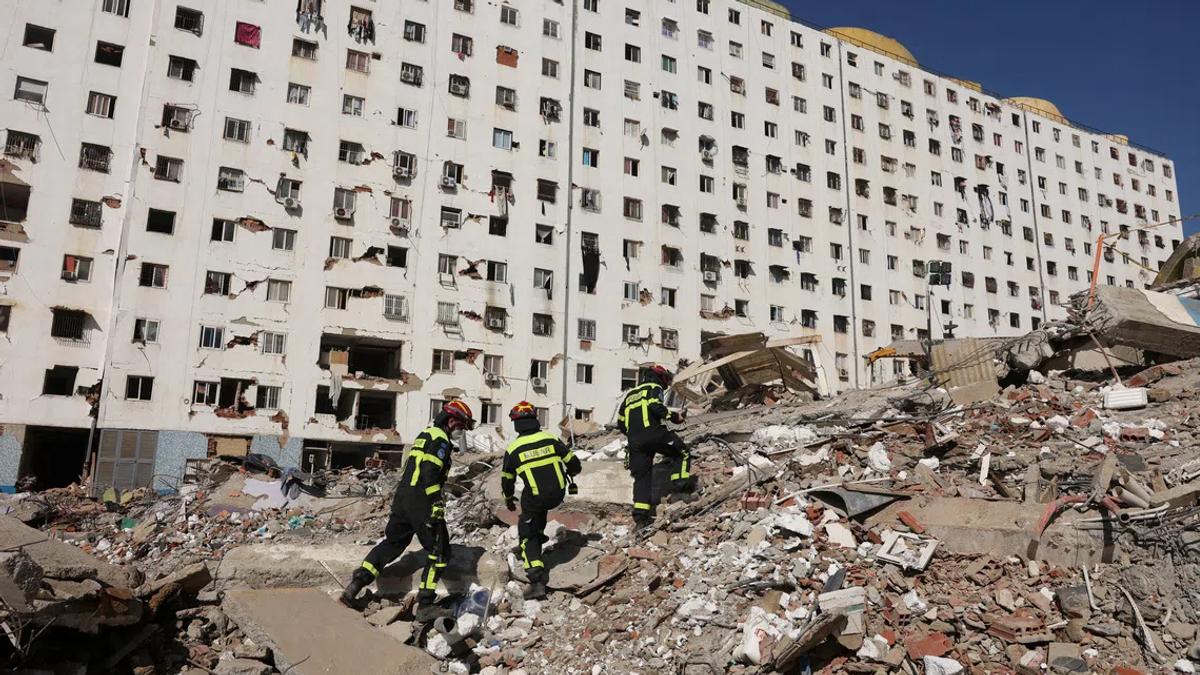
Weeks apart, devastating earthquakes struck Venezuela and Colombia, revealing a stark contrast in government disaster response. In late June, Venezuela experienced twin 7.2- and 7.5-magnitude quakes, particularly impacting coastal La Guaira, leading to a death toll exceeding 6,300. Weeks later, a similarly powerful quake hit Colombia, primarily affecting Cali, resulting in 285 deaths and hundreds missing. While civilians in both countries were crucial in immediate rescue efforts, Colombia’s official response quickly mobilized a dozen entities, coordinating hundreds of rescues within the critical 72-hour window. In Venezuela, however, civilians often toiled with minimal official support, using bare hands and rudimentary tools, as state resources appeared overwhelmed or absent.
The divergent responses are not merely a tale of two natural disasters, but a stark illustration of differing state capacities and political realities. In Venezuela, years of economic collapse, hyperinflation, and a significant "brain drain" have hollowed out state institutions. While the interim government attributes these woes to U.S. and international sanctions, critics point to rampant corruption and chronic underinvestment in public infrastructure and services, particularly the vital oil industry. This institutional decay meant that when the earth moved, the state apparatus struggled to deploy heavy machinery, forensic teams, or even basic supplies like body bags effectively. The political stakes are high for the interim government, which is battling for international legitimacy and access to frozen assets, such as $4 billion in gold bullion held by the Bank of England, which it claims are vital for reconstruction. An effective disaster response could bolster its international standing, while a chaotic one further erodes trust.
Conversely, Colombia, despite its own socio-economic challenges, demonstrated a more robust state capacity. Local-level organization, a network of official entities, and relatively functional logistics allowed for rapid deployment of resources. For Colombia’s new right-wing president, Abelardo De La Espriella, who took office just three days before the quake, the disaster presented an immediate and critical test. Having campaigned on austerity and tougher security, an efficient and visible response could help him consolidate support, particularly in regions that may have opposed his election. The ability to quickly coordinate and deploy resources speaks to a more resilient, albeit imperfect, state structure.
The most profound cost of these differing capacities falls squarely on the ordinary citizens. In Venezuela, the residents of places like Los Cocos in La Guaira became their own first responders, digging through the rubble of collapsed social housing blocks with their bare hands, buckets, and sticks. Families carried their dead on old mattresses, waiting days for forensic specialists or proper body bags. The psychological trauma of such an experience, coupled with the loss of homes and livelihoods, is immense and prolonged. For children in particular, as one aid worker noted, the emergency has barely begun, promising years of instability and recovery. The lack of state support in critical hours meant preventable deaths and injuries, and a profound sense of abandonment by the very institutions meant to protect them.
Even in Colombia, where the overall response was more efficient, the human cost is not evenly distributed. Aid workers expressed concern for isolated parts of the country, such as the Pacific province of Choco, Colombia's poorest. Decades of state neglect and armed violence have already left these communities with wide humanitarian needs, which the earthquake will undoubtedly exacerbate. While the death toll there was lower, the quake’s impact on already vulnerable populations means a deepening of existing crises, often far from the media spotlight and the rapid response seen in cities like Cali.
What powerful actors are downplaying or omitting is multifaceted. In Venezuela, the interim government's vehement denial of any issues in its response, coupled with its immediate deflection to "media narratives" and sanctions, skillfully sidesteps the undeniable evidence of internal institutional decay and corruption. While sanctions have undoubtedly impacted the economy, the images of heavy machinery sitting idle due to lack of fuel, or officials allegedly looting, point to deeper systemic failures that predate and extend beyond external pressures. The narrative of "acting immediately" rings hollow against the backdrop of desperate civilians digging for weeks. Furthermore, the political maneuvering around the Bank of England gold, framed as crucial for reconstruction, also serves as a leverage point in the government's struggle for international recognition, potentially overshadowing the immediate, on-the-ground needs of its citizens.
In Colombia, while the response was praised, the underlying vulnerabilities of neglected regions like Choco often remain an afterthought in official statements focused on overall efficiency. The quick deployment in urban centers like Cali, while commendable, can mask the persistent inequalities in state presence and service delivery across the wider country. For President De La Espriella, the disaster is a political opportunity to showcase competence, but the challenge will be to ensure that the emergency funds and reconstruction efforts genuinely reach the most marginalized, rather than becoming another casualty of political expediency or austerity measures.
Readers should watch for how Venezuela's interim government leverages the disaster in its ongoing battle for international legitimacy and access to frozen assets. Will the humanitarian crisis create an opening for more direct international intervention or aid, and how will this impact the internal power dynamics? Observe whether the visible failures in disaster response further erode public trust and potentially fuel internal unrest, or if the government manages to consolidate its narrative.
In Colombia, the focus will be on President De La Espriella's long-term commitment to reconstruction. Will his administration prioritize the rebuilding efforts in neglected provinces, or will the initial surge of support fade, leaving vulnerable communities to contend with worsened conditions? The balance between promised austerity and the urgent need for emergency funds will be a key indicator of his political priorities and ability to govern effectively beyond the immediate crisis. The long-term stability and recovery for the children and communities in both nations will serve as the ultimate barometer of their respective governments' capacities.
Source referenced: STRAITSTIMES
This brief was synthesized by our Editorial Engine and reviewed by The Ground Narrative team.