TRENDING

Saturday, 19 September 2026
----------------------
8 Rabi' Al-Thani 1448 AH
Russian artillery struck the Kharkiv‑region city of Balakliia on September 18, killing two civilians and wounding two more, reigniting fears for residents caught in the front‑line’s shifting lines.

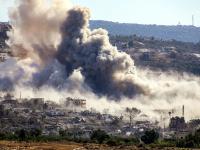
Russian forces shelled the northeastern Ukrainian city of Balakliia on Friday, igniting a fire in a suburban district, damaging private homes and killing two civilians while wounding two others, according to the city’s military administration head, Vitali Karabanov.
Balakliia sits on a corridor that links the Russian‑occupied towns of Luhansk and the contested areas near Kharkiv. Since its recapture by Ukrainian troops in the 2022‑23 counteroffensive, the city has become a symbolic foothold for Kyiv’s push to erase the early‑war “belt” of Russian‑held territory. For Moscow, striking Balakliia serves three overlapping purposes:
1. Denial of Ukrainian consolidation – repeated artillery raids prevent the Ukrainian military from stabilising logistics hubs, slowing the integration of reclaimed districts into national supply chains.
2. Domestic signaling – the Kremlin’s media apparatus frames such attacks as “defensive” actions against an advancing enemy, reinforcing the narrative of a resilient front line to a war‑wearied Russian public.
3. Leverage in negotiations – by keeping pressure on frontline towns, Russia maintains a bargaining chip for any future cease‑fire talks, showing that it can still inflict costs even after losing ground.
Ukraine, for its part, is forced to allocate scarce air‑defence assets and engineering crews to protect a city that, while strategically valuable, is not a major industrial centre. The trade‑off is stark: resources diverted to Balakliia mean fewer assets for larger population centres such as Kharkiv or Kyiv.
The two victims were ordinary residents returning from work; their families now face the loss of breadwinners and the trauma of sudden violence. Beyond the immediate fatalities, the attack displaced dozens of families whose homes suffered fire damage, forcing them into temporary shelters that lack heating and basic services as winter approaches. Local businesses—small grocery stalls, a family‑run bakery, and a mechanic shop—suffered collateral damage, eroding the fragile post‑conflict economy that had begun to rebound after the 2022‑23 counteroffensive.
Health services, already stretched thin, must treat the wounded while coping with a surge in mental‑health cases. Schools in the suburb have been temporarily closed, interrupting children’s education and adding to the community’s sense of instability. In a region where agricultural output accounts for a significant share of Ukraine’s grain exports, any disruption to rural households ripples into national food‑security calculations.
Official statements from both Moscow and Kyiv emphasize that “civilians are not being targeted.” Yet the pattern of artillery strikes on populated suburbs suggests a calculated risk‑acceptance rather than pure accident. Russian commanders often employ “area saturation” tactics—firing large volumes of shells to overwhelm enemy air‑defence, accepting collateral damage as a cost of achieving tactical surprise.
Western analysts note that the timing coincides with a lull in diplomatic activity surrounding the upcoming NATO‑Ukraine summit, hinting that Moscow may be trying to shape the agenda by creating fresh humanitarian headlines that force allies to confront the war’s ongoing civilian toll. Meanwhile, Ukrainian officials have been reluctant to publicise the full scale of civilian displacement, fearing that repeated casualty reports could erode international donor confidence and domestic morale.
Watch for three developments:
1. Air‑defence reallocations – If Kyiv redirects Patriot and European‑supplied systems from larger cities to protect Balakliia, it may expose other vulnerable zones.
2. Humanitarian aid flows – International NGOs are likely to request additional funding for shelter and medical support in the Kharkiv region; the speed of that response will affect civilian resilience.
3. Diplomatic rhetoric – Statements from the upcoming NATO summit will reveal whether allies will press Moscow on civilian protection standards or focus solely on broader security guarantees.
The battle for Balakliia is a microcosm of the larger war: a contest of firepower, narrative control, and the everyday lives of people who never signed up for the front‑line drama. Their fate will continue to signal who truly holds the power to shape the conflict’s trajectory.
Source referenced: STRAITSTIMES
This brief was synthesized by our Editorial Engine and reviewed by The Ground Narrative team.