TRENDING

Monday, 5 October 2026
----------------------
24 Rabi' Al-Thani 1448 AH
Turkey's foreign minister has called for a moratorium on Black Sea attacks, citing indiscriminate strikes on commercial shipping. This move highlights the escalating risk to vital global trade routes and the complex balancing act for regional powers.
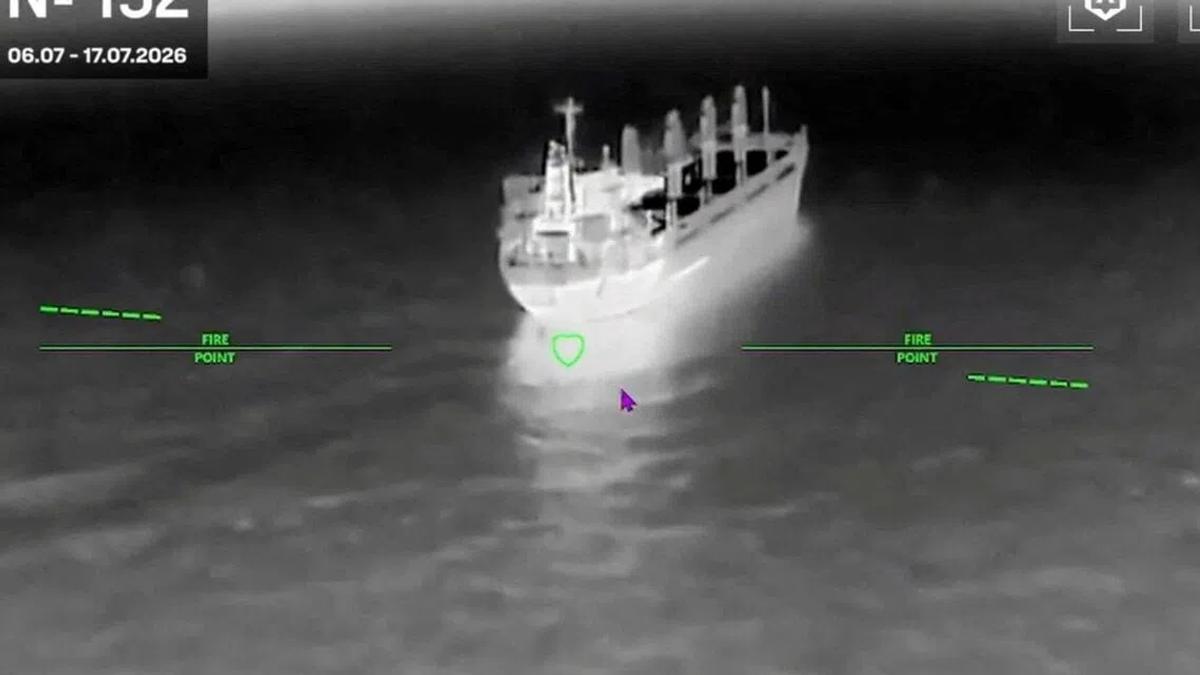
Turkey's Foreign Minister Hakan Fidan has urged Russia and Ukraine to halt attacks in the Black Sea, proposing a "mechanism" for a moratorium on such actions. This call follows a series of strikes on commercial vessels, including those flying the Turkish flag, indicating a dangerous expansion of the conflict beyond military and port targets. Fidan emphasized that the conflict, which initially targeted ports and warships, now impacts all commercial shipping without distinction.
Turkey, controlling the critical Bosphorus and Dardanelles straits, holds a unique and precarious position as the gatekeeper to the Black Sea. As a NATO member with significant economic and historical ties to both Russia and Ukraine, its role as a potential mediator is constantly tested. The current escalation directly threatens Turkey's economic interests, particularly its extensive shipping and trade networks, and undermines regional stability. For Russia, the strategy is clear: to cripple Ukraine's economy and exert control over Black Sea access. By disrupting grain exports and military logistics through naval power and missile strikes, Moscow aims to create a de facto blockade, asserting its dominance in the region. Ukraine, despite its smaller navy, has demonstrated an increasing capability to strike Russian naval assets and infrastructure, pushing back against the blockade. Its drone attacks aim to deny Russia safe havens and disrupt its logistical support, even if it means operating in contested waters that also host commercial traffic. This struggle is fundamentally about control over a vital economic corridor, with each side leveraging attacks to achieve strategic objectives that extend far beyond their immediate borders.
The human cost of this escalating maritime conflict is borne by millions who have no say in the strategic decisions of Moscow or Kyiv. Farmers in Ukraine and Russia face immense uncertainty, their harvests potentially stranded or destroyed, impacting their livelihoods for years. Globally, consumers, particularly in developing nations heavily reliant on Black Sea grain, face the immediate threat of higher food prices and increased food insecurity. This geopolitical chess game translates directly into empty plates for the most vulnerable. Moreover, the sailors on commercial vessels, regardless of their flag, are now direct targets, risking injury, death, or being stranded in a war zone. The skyrocketing insurance costs for shipping through the Black Sea make vital goods more expensive or, in some cases, impossible to transport, disproportionately affecting poorer nations and exacerbating existing humanitarian crises.
What governments and official statements often downplay or omit is the long-term erosion of international maritime law and the dangerous normalization of attacks on civilian shipping. Both Russia and Ukraine, in their pursuit of military objectives, are implicitly accepting—or even encouraging—the blurring of lines between military and civilian targets in a critical international waterway. This tacit acceptance, coupled with the international community's struggle to enforce established norms, effectively cedes control to the combatants. Turkey's call for a "moratorium" is, in essence, an admission of this erosion, a plea for a return to basic principles rather than a robust enforcement mechanism. The broader international community's inability to secure safe passage highlights a weakening of global governance and the increasing impunity of state actors in conflict zones. The economic consequences for nations not directly involved in the conflict but reliant on Black Sea trade are often framed as unavoidable "collateral damage," obscuring the systemic breakdown of international order.
Several key developments will shape the future of Black Sea maritime security. First, watch for the responses from Russia and Ukraine to Turkey's call for a moratorium. Their willingness to engage in such a mechanism will be a strong indicator of their strategic priorities and their assessment of the costs of continued escalation. Second, observe the level of international pressure from other major powers like the EU, the United States, and China. Will they support Turkey's initiative with concrete diplomatic or economic measures, or will they remain largely on the sidelines? Third, the shipping industry's reaction will be crucial. If insurance costs become prohibitive, a de facto cessation of commercial shipping in the region could occur, further exacerbating global supply chain issues and commodity prices. Finally, Turkey's subsequent actions will be critical. If the moratorium fails, will Ankara take unilateral steps to protect its vessels, or will it escalate its diplomatic efforts? Its precarious balancing act between its NATO allies and its Black Sea neighbors is becoming increasingly difficult to maintain.
Editor's Note: The raw intelligence provided a future date (Aug 09, 2026). This analysis treats the event as current for the purpose of geopolitical assessment.
Source referenced: STRAITSTIMES
This brief was synthesized by our Editorial Engine and reviewed by The Ground Narrative team.


