TRENDING

Friday, 16 October 2026
----------------------
5 Jumada Al-Awwal 1448 AH
A Tunisian court has sentenced Ennahdha leader Rached Ghannouchi to life in prison, sparking concerns about the country's democratic trajectory and regional stability.
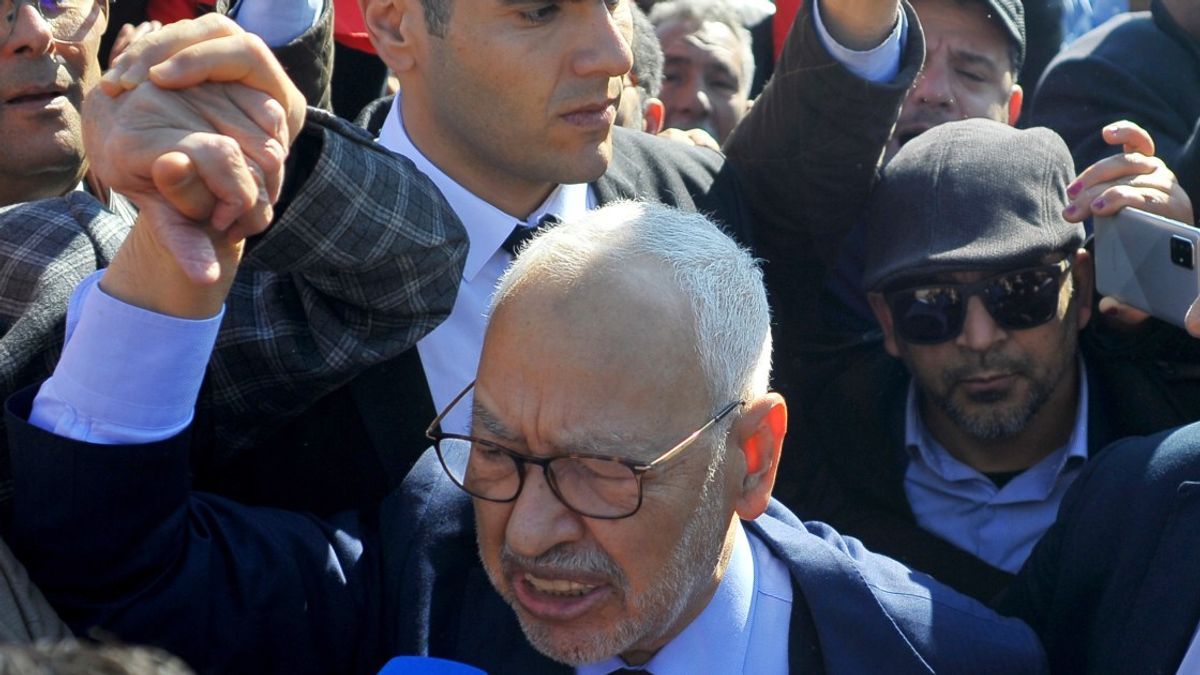
The sentencing of Rached Ghannouchi, the leader of the Ennahdha party, to life in prison by a Tunisian court marks a significant escalation in the country's ongoing struggle for democratic consolidation. Ennahdha, a moderate Islamist party, has been a key player in Tunisian politics since the 2011 Arab Spring.
The charges against Ghannouchi and his co-defendants stem from allegations of forming a "terrorist alliance" and other crimes, including espionage and infiltrating state institutions. The case dates back to 2022, when the public prosecutor's office and lawyers for the families of assassinated leftist politicians Chokri Belaid and Mohamed Brahmi filed a complaint against Ennahdha.
The sentencing of Ghannouchi has significant implications for regional stability, particularly in the context of the ongoing conflict in Libya. Ennahdha has been a key player in efforts to broker a peace deal between the warring factions in Libya, and Ghannouchi's imprisonment may undermine these efforts.
The Ennahdha party has faced numerous challenges since its rise to power in 2011. The party's leadership has been accused of authoritarian tendencies, and its relationship with the military has been a source of tension. The current government, led by President Kais Saied, has been criticized for its handling of the Ennahdha case and its broader implications for democratic governance.
The sentencing of Ghannouchi is likely to exacerbate tensions between the government and the opposition, potentially leading to further unrest and instability. The international community, including the European Union and the United States, has expressed concerns about the case and its implications for democratic governance in Tunisia.
Editor's Note: The analysis is based on publicly available information and may not reflect the full complexity of the situation on the ground.
Source referenced: ALJAZEERA
This brief was synthesized by our Editorial Engine and reviewed by The Ground Narrative team.


