TRENDING

Friday, 16 October 2026
----------------------
5 Jumada Al-Awwal 1448 AH
UNESCO's upcoming vote to designate numerous sites as "World Heritage in Danger" underscores the escalating threats posed by geopolitical conflicts and climate change to global cultural and natural heritage. This move highlights the international community's efforts to safeguard invaluable sites while navigating complex issues of sovereignty, environmental degradation, and regional instability.
The United Nations Educational, Scientific and Cultural Organization (UNESCO) is poised to significantly expand its "World Heritage in Danger" list, a move that reflects the intensifying pressures on global cultural and natural treasures from both armed conflicts and environmental degradation. With 196 member states convening in Busan, South Korea, from July 24, 2026, the votes will determine the fate of several sites, including ancient archaeological ruins, historic castles, and vast natural ecosystems. This initiative, as articulated by Lazare Eloundou Assomo, Director of UNESCO’s World Heritage Centre, aims to "send a message to the entire world" about the importance of preventing destruction and supporting communities in their recovery from trauma. While UNESCO lacks peacekeeping capabilities, the designation serves as a critical mechanism to draw international attention, unlock funding, and foster partnerships for preservation, thereby offering a form of soft power and diplomatic engagement in areas of high geopolitical tension and environmental vulnerability.
A significant portion of the sites slated for fast-tracking onto the "in danger" list are located in regions embroiled in active or protracted conflicts, underscoring how cultural heritage often becomes a casualty or even a target in geopolitical struggles.
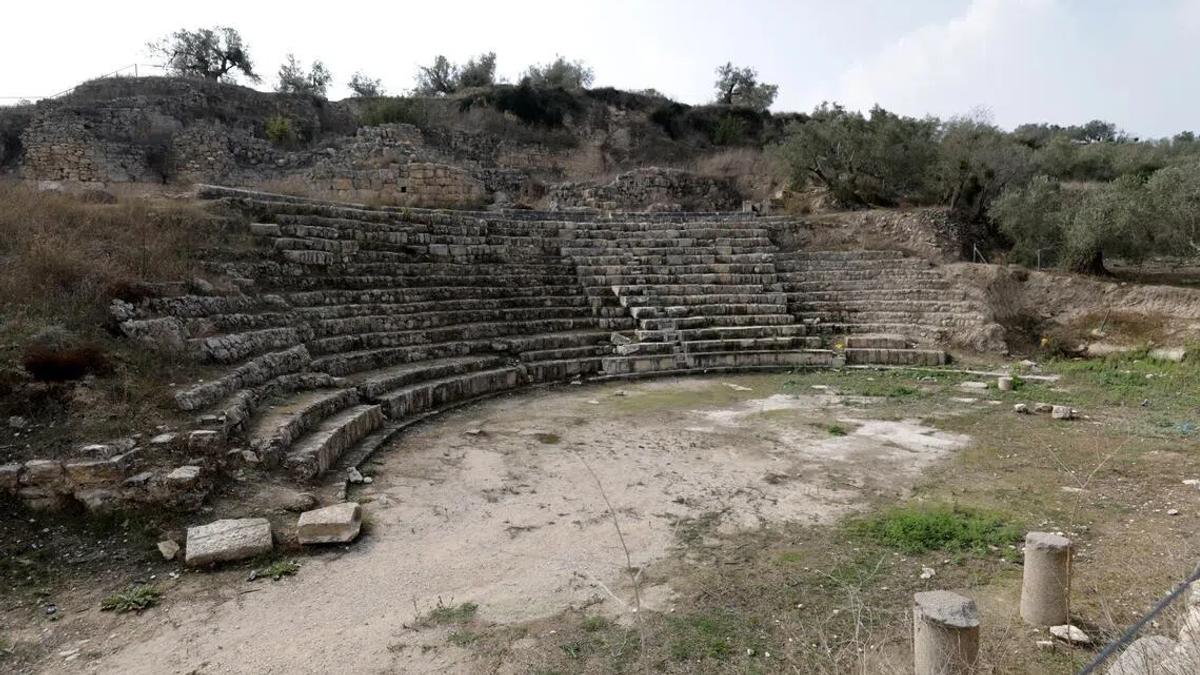
The archaeological site of Sebastia, identified as biblical Samaria in the Israeli-occupied Palestinian territory of the West Bank, is a prime example. Located in an area under Israeli control, with the adjacent Palestinian village under dual administration, the site's potential listing highlights the complex and often contentious issues surrounding sovereignty, access, and cultural ownership in the Israeli-Palestinian conflict. Palestinians in the nearby village rely heavily on tourism to the ruins, fearing Israeli actions could further restrict access. While Israel withdrew from UNESCO in 2017, it remains a member of the World Heritage Committee, giving it a voice in these decisions. The listing of Sebastia would inevitably draw further international scrutiny to the management of heritage in occupied territories and the economic impact on local Palestinian communities.
Similarly, five castles in south Lebanon, including the Crusader fortress of Qalaat al-Chakif (Beaufort Castle), are under consideration. This region has been subjected to intense Israeli military operations, with Beaufort Castle itself having been captured by Israeli troops in May. The ancient Roman baths, a triumphal arch, and a hippodrome in the southern Lebanese city of Tyre, which has also endured heavy Israeli bombardment, are further candidates for the "in danger" designation. These proposed listings directly reflect the devastating impact of the ongoing conflict between Israel and Hezbollah/Lebanon, illustrating how military actions not only cause immediate destruction but also threaten the long-term preservation of invaluable historical sites, eroding the cultural fabric of the region.
The ancient Greek settlement of Tauric Chersonese on the Crimean peninsula presents another highly sensitive case. Annexed by Russia from Ukraine in 2014, the site's status is deeply intertwined with the broader Russia-Ukraine conflict. Ukraine contends that the site is imperiled by unauthorized excavations, large-scale construction projects, and the relocation of artifacts following Russia's annexation. A UNESCO designation here would implicitly acknowledge Ukraine's concerns and highlight the challenges of protecting heritage in territories under disputed control, effectively turning cultural preservation into a diplomatic battleground over historical narratives and international law.
Beyond conflict zones, UNESCO's expanded "in danger" list also addresses severe environmental threats, emphasizing the global scale of climate change and ecological degradation.
Lake Baikal in Russia, the world's deepest lake and a repository of 20 percent of the planet's unfrozen freshwater, is a significant candidate. Known for its unique biodiversity, the lake faces multifaceted threats including pollution, unchecked mass tourism, extensive logging, and reduced water levels exacerbated by an upstream dam in Mongolia. A 2023 UNESCO report had already warned of "unfolding ecological degradation" if urgent action was not taken. The potential listing underscores the challenges faced by nations in balancing economic development with environmental stewardship, particularly when transboundary issues (like the Mongolian dam) complicate conservation efforts. It also highlights the global responsibility to protect critical natural resources and unique ecosystems.
In South Sudan, the Boma-Badingilo grassland and woodland savannahs are threatened by a combination of internal conflict and climate change. This vast wilderness, crucial for the migration of a million animals including antelopes and gazelles, exemplifies how fragile states, often grappling with humanitarian crises and internal strife, are disproportionately vulnerable to the impacts of climate change and environmental degradation. The scars on the grasslands, visible from the sky, serve as a stark reminder of the dual pressures of human conflict and a changing climate on biodiversity and natural heritage.
While some sites, like the Normandy beaches in France (commemorating the D-Day landings), are vying for a standard World Heritage listing to recognize their historical significance, the focus on "in danger" sites reveals UNESCO's evolving role as a guardian of global heritage amidst unprecedented challenges. The organization's efforts extend beyond mere conservation; they represent a form of international diplomacy, aiming to foster cooperation, provide technical assistance, and mobilize resources for sites that are either directly threatened by conflict or slowly succumbing to environmental pressures.
The act of listing a site as "in danger" is not intended as a reprimand but as a call to action, a mechanism to galvanize international support and attention. However, in politically charged contexts, such designations can carry significant symbolic weight, influencing international perceptions and potentially exerting pressure on states to adhere to international norms regarding cultural heritage protection. The challenges remain substantial, particularly in areas where state sovereignty is contested or where active conflict impedes access and conservation efforts. Nevertheless, UNESCO's continued commitment to identifying and highlighting these imperiled sites serves as a crucial reminder of humanity's shared heritage and the urgent need for collective action to protect it for future generations.
Source referenced: STRAITSTIMES
This brief was synthesized by our Editorial Engine and reviewed by The Ground Narrative team.