TRENDING

Friday, 16 October 2026
----------------------
5 Jumada Al-Awwal 1448 AH
Japan faces a growing challenge with 'jiko bukken' or stigmatized properties, where homes are shunned due to past deaths, exacerbated by deep-seated cultural beliefs and a rapidly aging population. This phenomenon contributes significantly to the nation's rising number of vacant homes, impacting real estate markets and prompting unique entrepreneurial solutions.
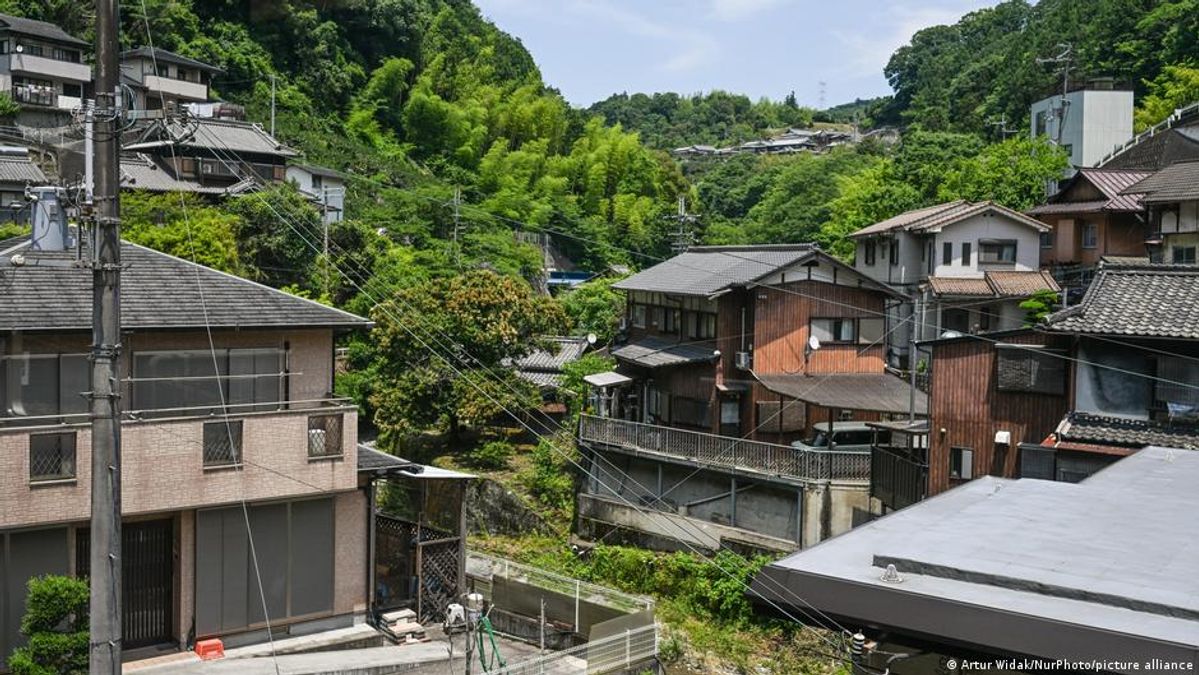
Japan is grappling with a unique and escalating challenge in its housing market: the proliferation of "jiko bukken," or stigmatized properties. These are homes where a death has occurred—ranging from suicides and murders to accidental fires or "lonely deaths" of elderly residents—and are subsequently shunned by potential buyers and renters. This cultural aversion, rooted in traditional beliefs about death and impurity, is now intersecting with Japan's profound demographic shifts, creating a complex socio-economic problem with significant implications for the nation's urban planning, property values, and social fabric.
The reluctance to occupy a "jiko bukken" stems from a deeply ingrained cultural perception in Japan that death, particularly violent or solitary death, renders a property impure and brings misfortune. As Kazutoshi Kodama, president of specialist property firm Kachimode Co., explains, "Japanese people sometimes regard death as impure... Consequently, they believe that coming into close contact with death will bring them misfortune." This belief is so pervasive that real estate agents are legally obligated to disclose a property's history to interested parties, a requirement that solidifies the stigma and makes these homes exceptionally difficult to sell or rent. Websites even exist to publicly list the locations and reasons for a property's stigmatization, further entrenching the issue.
The economic consequences of "jiko bukken" are substantial. Owners of stigmatized properties often face prolonged vacancies, sometimes exceeding 1,000 days, and are forced to offer drastic rent reductions—up to 30% in cities and 50% in rural areas—to attract tenants. Even with such incentives, many properties remain empty, becoming a financial drain on their owners and contributing to the broader problem of vacant homes across Japan. A government survey in late 2024 revealed a staggering 9 million vacant homes, accounting for 13.8% of all accommodation in the country. While various factors contribute to this, cultural superstition is a significant, often underestimated, driver.
This cultural phenomenon is amplified by Japan's severe demographic challenges. The nation is experiencing rapid population decline, particularly in rural areas, alongside an aging society and low birth rates. This demographic trajectory means an increasing number of homes are left vacant as elderly residents pass away or younger generations migrate to larger urban centers, often leaving behind properties that may eventually become "jiko bukken." The sheer volume of available properties, combined with the cultural stigma, creates a perfect storm where a significant portion of the housing stock becomes undesirable and economically unproductive. Even in some city centers, the problem of vacant properties, including stigmatized ones, is surprisingly prevalent.
In response to this growing crisis, a niche industry has emerged, offering specialized services to mitigate the stigma associated with "jiko bukken." Companies like Kachimode Co. conduct elaborate "ghost investigations," involving overnight stays, video and audio recording, and environmental monitoring, to scientifically (or pseudo-scientifically) prove the absence of supernatural phenomena. These services, costing around 88,000 yen (approximately $542), aim to provide a "clean bill of health" that real estate agents can use to reassure potential occupants. Similarly, AkiyaMart, a platform promoting the sale of empty properties, offers packages that include visits from Shinto priests to perform cleansing rituals, acknowledging and addressing the spiritual concerns of buyers. These entrepreneurial solutions highlight the depth of the cultural belief and the market's innovative attempts to bridge the gap between tradition and economic necessity.
The "jiko bukken" phenomenon, while seemingly a domestic real estate issue, reflects deeper societal trends in Japan that have broader geopolitical implications. The challenges of managing an aging population, rural depopulation, and a growing stock of unused assets impact Japan's economic vitality, workforce availability, and social cohesion. The inability to efficiently utilize existing housing stock due to cultural factors adds another layer of complexity to national planning and resource allocation. As Japan navigates its demographic future, addressing the multifaceted problem of vacant and stigmatized properties will be crucial not only for its domestic economy but also for its long-term stability and global standing. The interplay of cultural heritage, economic realities, and demographic pressures presents a unique case study in how deeply ingrained beliefs can shape a nation's material landscape and future trajectory.
Source referenced: DW
This brief was synthesized by our Editorial Engine and reviewed by The Ground Narrative team.