TRENDING

Wednesday, 21 October 2026
----------------------
10 Jumada Al-Awwal 1448 AH
The US-Saudi nuclear deal has sparked concerns about nuclear proliferation in the Middle East, despite assurances from Riyadh that it will only use nuclear power for civilian purposes.
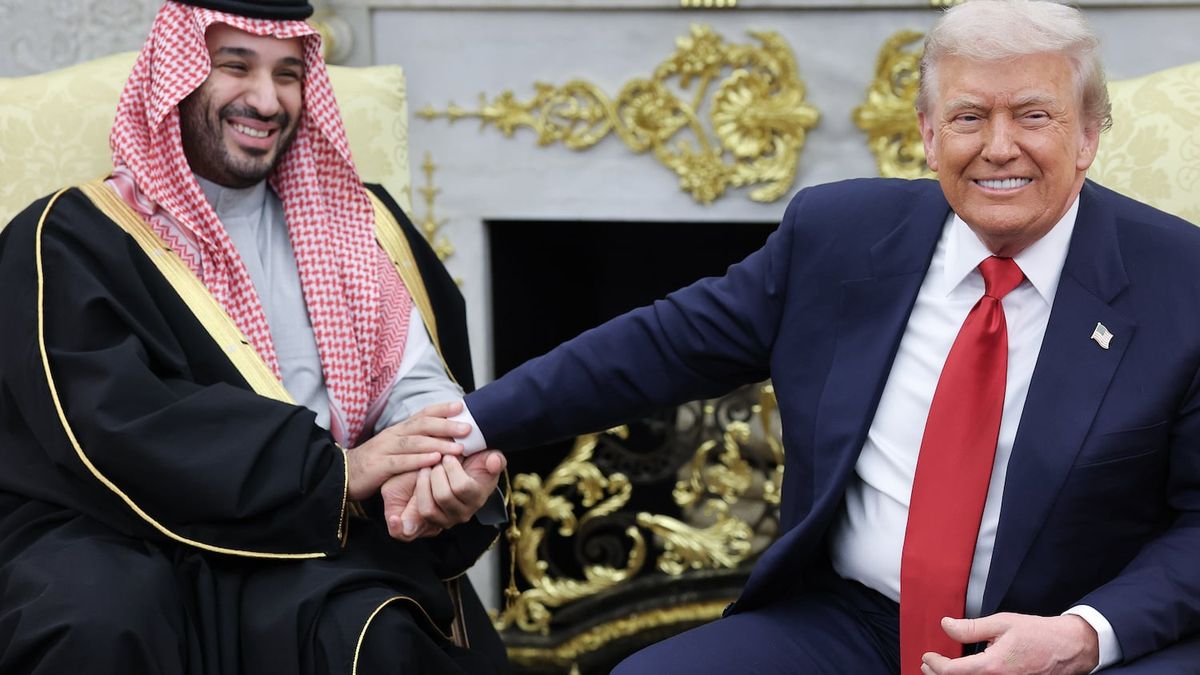
The recent approval of a nuclear deal between the United States and Saudi Arabia has sent shockwaves through the international community. The agreement, which was first reported by the Wall Street Journal, will allow Saudi Arabia to develop a civilian nuclear program with the help of US companies. While the deal is touted as a major win for both Washington and Riyadh, many experts are sounding the alarm about the potential risks of nuclear proliferation in the Middle East.
One of the most significant concerns surrounding the deal is the lack of 'gold standard' constraints, which bar partner countries from enriching uranium or reprocessing atomic fuel. These constraints are typically included in US nuclear agreements to prevent the spread of nuclear weapons. However, the Saudi deal reportedly does not include these provisions, raising fears that Riyadh could eventually develop a nuclear warhead.
So, why is the Trump administration pushing for this deal? The answer lies in the administration's broader strategic goals. By partnering with Saudi Arabia on nuclear energy, the US is seeking to strengthen its relationship with a key ally in the region and undermine Chinese and Russian ambitions in the Persian Gulf. The deal also provides a major boost to the US nuclear industry, which has been struggling in recent years.
The implications of this deal are far-reaching and potentially disastrous. A nuclear-armed Saudi Arabia would significantly alter the regional balance of power, creating a new and potentially volatile player in the Middle East. This could lead to a nuclear arms race in the region, with other countries seeking to develop their own nuclear capabilities.
The consequences of this deal will be felt for years to come. If Saudi Arabia is able to develop a nuclear warhead, it could lead to a major escalation of tensions in the region, potentially even sparking a nuclear conflict. The deal also sets a dangerous precedent for other countries seeking to develop nuclear capabilities, potentially leading to a proliferation of nuclear weapons in the Middle East.
The US-Saudi nuclear deal is a complex and multifaceted issue, with far-reaching implications for regional stability and global security. While the deal may provide short-term benefits for the US and Saudi Arabia, the long-term risks are significant. As the international community continues to grapple with the implications of this deal, it is essential to consider the potential consequences and work towards a more stable and secure future for the Middle East.
Source referenced: FOREIGNPOLICY
This brief was synthesized by our Editorial Engine and reviewed by The Ground Narrative team.