TRENDING

Tuesday, 6 October 2026
----------------------
25 Rabi' Al-Thani 1448 AH
President Trump is reviving his demand that former Fed chair Jerome Powell resign, using a $1 billion renovation cost overrun as a pretext. The episode reveals the tug‑of‑war between political ambition, central‑bank independence, and the taxpayers who foot the bill.
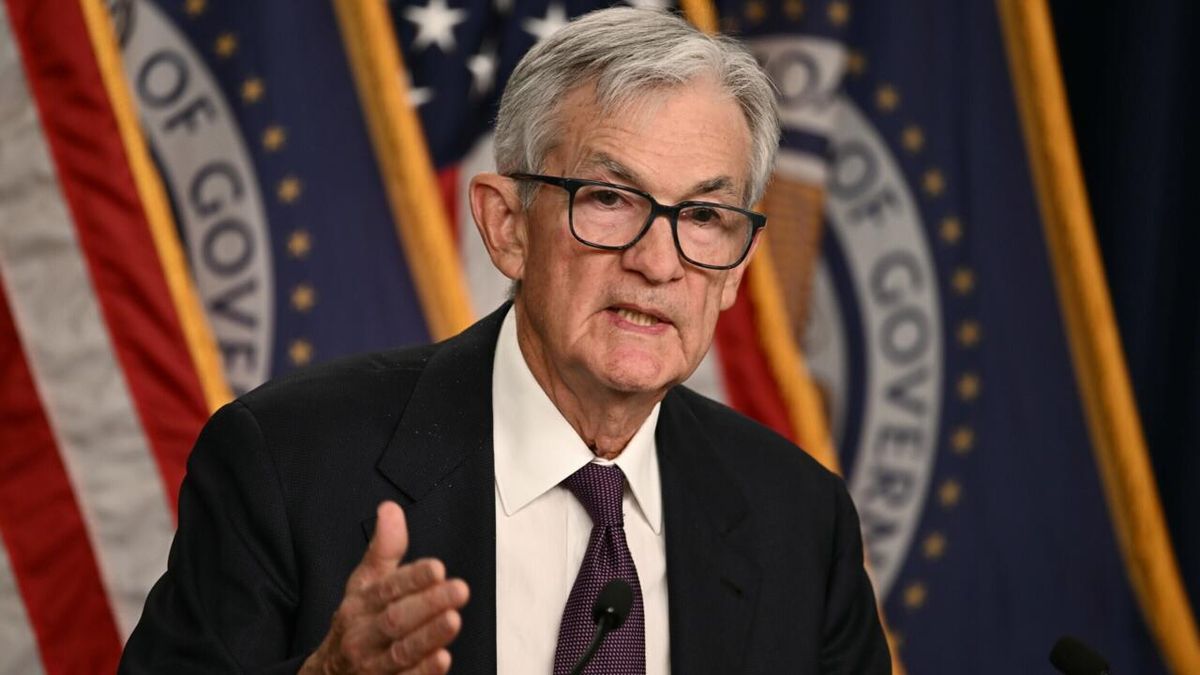
The Federal Reserve’s Inspector General released a 120‑page report confirming a $1 billion cost overrun on the renovation of the Fed’s historic Washington buildings, now totalling about $2.4 billion. While the IG found no criminal conduct, it cited lax oversight and broken contract safeguards. President Donald Trump seized on the findings, renewing his call for former Fed chair Jerome Powell to resign and urging Attorney General Todd Blanche to act.
Political survival and legacy. Trump’s post‑presidential agenda centres on reshaping institutions that constrained his policy preferences, especially interest‑rate policy. By targeting Powell, he signals to his base that he will not tolerate “bureaucratic defiance.”
Monetary independence vs. electoral pressure. The Fed’s mandate to set rates based on macroeconomic data clashes with Trump’s desire for lower borrowing costs to boost growth narratives. The renovation saga offers a convenient, non‑policy‑specific flashpoint to pressure the central bank without overtly attacking its core decisions.
Congressional calculus. Republicans on the Senate Banking Committee, notably Tim Scott, echo Trump’s criticism, framing the overrun as fiscal irresponsibility. Democrats, led by Elizabeth Warren, defend the Fed’s autonomy, warning against a “witch hunt.” The split reflects each side’s electoral calculus: Republicans can rally anti‑establishment sentiment; Democrats can protect a key economic stabiliser.
Administrative incentives. Fed Vice Chair Philip Jefferson, as the “administrative governor,” oversaw the project’s procurement. The IG report shows the Fed failed to enforce a “guaranteed maximum price” contract, allowing sub‑contracts to balloon costs. This points to internal governance gaps that can be weaponised by external actors.
The $2.4 billion price tag ultimately comes from the federal budget, meaning American taxpayers absorb the excess. Federal employees working on the renovation face delayed wages and extended construction disruptions. Small‑business contractors, especially those excluded from the flawed procurement process, lose potential revenue. Moreover, the broader public bears indirect costs: any perceived erosion of Fed independence can destabilise markets, raising borrowing costs for mortgages, student loans, and small‑business credit.
While Trump and his allies spotlight the renovation’s cost, they downplay the deeper motive: reshaping monetary policy to suit a political narrative. The IG report notes no criminal wrongdoing, yet the administration frames the oversight failure as evidence of “incompetence” or “corruption.” This framing diverts attention from the systemic risk of politicising a body that traditionally buffers the economy from short‑term political pressures. Additionally, the DOJ’s brief involvement—subpoenas later quashed by a federal judge—receives little coverage, masking how the justice system can be leveraged as a pressure tool.
Watch for three developments: (1) Whether Attorney General Blanche initiates any formal action against Powell or other Fed officials; (2) How the Senate Banking Committee’s oversight hearings evolve, especially if Republicans push for tighter budgetary controls over the Fed; and (3) The response of global markets to any perceived threat to Fed independence, which could manifest in bond‑yield volatility or currency swings. The outcome will signal how far political actors can push institutional boundaries without triggering broader economic backlash.
Source referenced: FRANCE24
This brief was synthesized by our Editorial Engine and reviewed by The Ground Narrative team.