TRENDING

Saturday, 19 September 2026
----------------------
8 Rabi' Al-Thani 1448 AH
Donald Trump Jr. says he repaid a Russian oligarch who funded a lavish Bahamas celebration, sparking fresh questions about the intertwining of personal finance and foreign influence in the White House.
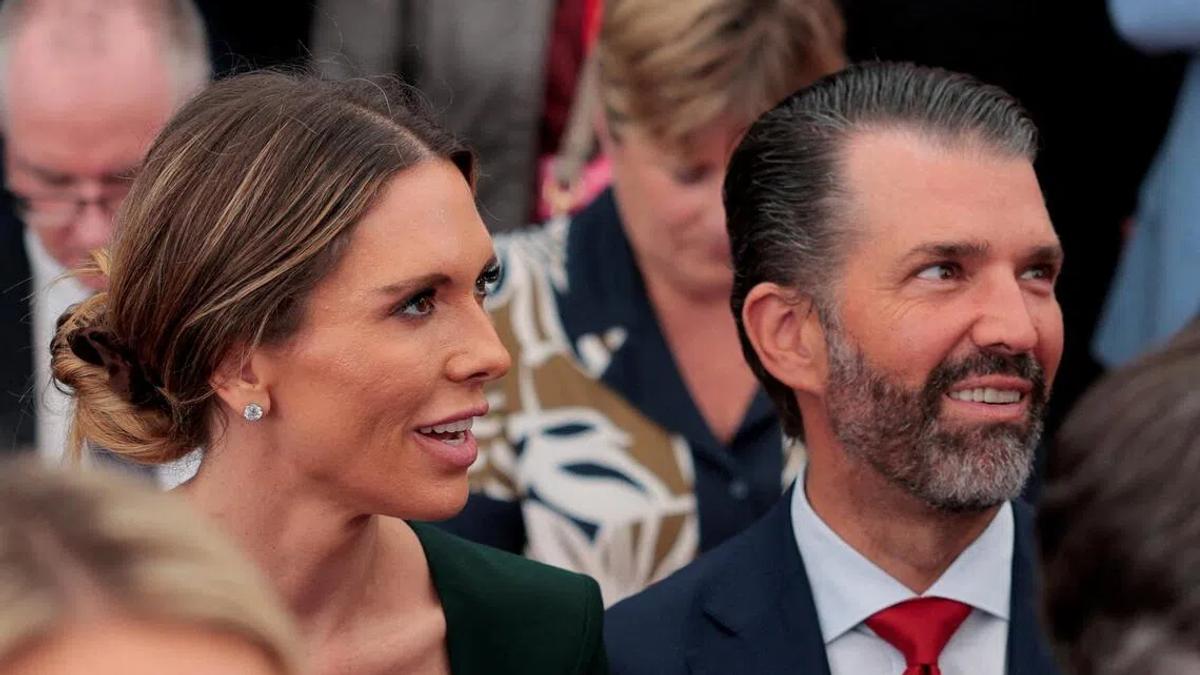
Donald Trump Jr. and his wife Bettina Anderson held a post‑wedding celebration on a private Bahamian island that was paid for by Russian businessman Umar Kremlev, a known associate of President Vladimir Putin. President Donald Trump later told reporters his son had already "paid him back," though details of the repayment remain vague.
The episode sits at the intersection of three incentive structures. First, the Trump family’s brand thrives on high‑visibility events that reinforce a narrative of wealth and global reach, encouraging donors to attach their names to the spectacle. Second, Kremlev’s generosity serves a dual purpose: it secures personal access to a U.S. president’s inner circle while signaling Russia’s soft‑power outreach amid sanctions. Third, the administration’s political calculus treats any mention of foreign money as a potential liability; by framing the payment as a "friend’s gift" and emphasizing repayment, the White House attempts to neutralize a narrative that could be weaponized by opponents in upcoming elections. The repayment claim also creates a plausible deniability layer, allowing the Trump camp to claim compliance without disclosing the amount or timing, which preserves plausible deniability for both parties.
While headlines focus on the elite, the real cost falls elsewhere. Bahamian workers who prepared the island, set up the fireworks, and serviced the event earned wages that are dwarfed by the hundreds of thousands of dollars spent, yet they receive no benefit from the political fallout. In the United States, campaign‑finance watchdogs and ordinary voters must divert attention and resources to investigate a story that diverts legislative bandwidth from pressing issues like healthcare and climate policy. Moreover, Ukrainian citizens, already bearing the brunt of Russia’s aggression, see a sanctioned oligarch using personal wealth to cultivate goodwill in the U.S., indirectly prolonging the conflict’s human toll.
Official statements downplay the transaction as a commonplace wedding gift, but they omit the broader network that enables such gifts. Kremlev’s sanctioned status means any financial flow to him is subject to U.S. and EU sanctions regimes; the fact that a U.S. president’s son could receive a multi‑hundred‑thousand‑dollar benefit without immediate legal repercussions suggests gaps in enforcement and possible political shielding. Additionally, the narrative sidesteps the question of whether the repayment was a genuine reimbursement or a token gesture designed to placate critics while preserving the underlying relationship. The timing of the repayment—still unclear—could indicate a strategic pause until the next election cycle, when scrutiny intensifies.
Watch for the House Oversight Committee’s next moves; subpoenas or testimony could force the administration to disclose the repayment amount and timing, potentially exposing a pattern of foreign‑linked gifts. Parallel investigations by the Department of Justice into sanctions violations may also surface, especially if financial trails link Kremlev’s payments to other U.S. entities. Finally, monitor how the Trump campaign leverages the story in its messaging—whether it frames the repayment as evidence of transparency or deflects by accusing opponents of a "witch hunt." The outcome will shape public perception of foreign influence in American politics and could recalibrate how future donors approach elite U.S. families.
Source referenced: STRAITSTIMES
This brief was synthesized by our Editorial Engine and reviewed by The Ground Narrative team.