TRENDING

Tuesday, 6 October 2026
----------------------
25 Rabi' Al-Thani 1448 AH
A fresh Reuters‑Ipsos survey shows Donald Trump slipping to a 24% approval rating among Hispanic voters, the lowest of his two terms. The shift threatens the Republican strategy for the 2026 midterms and raises questions about who bears the cost of the political gamble.
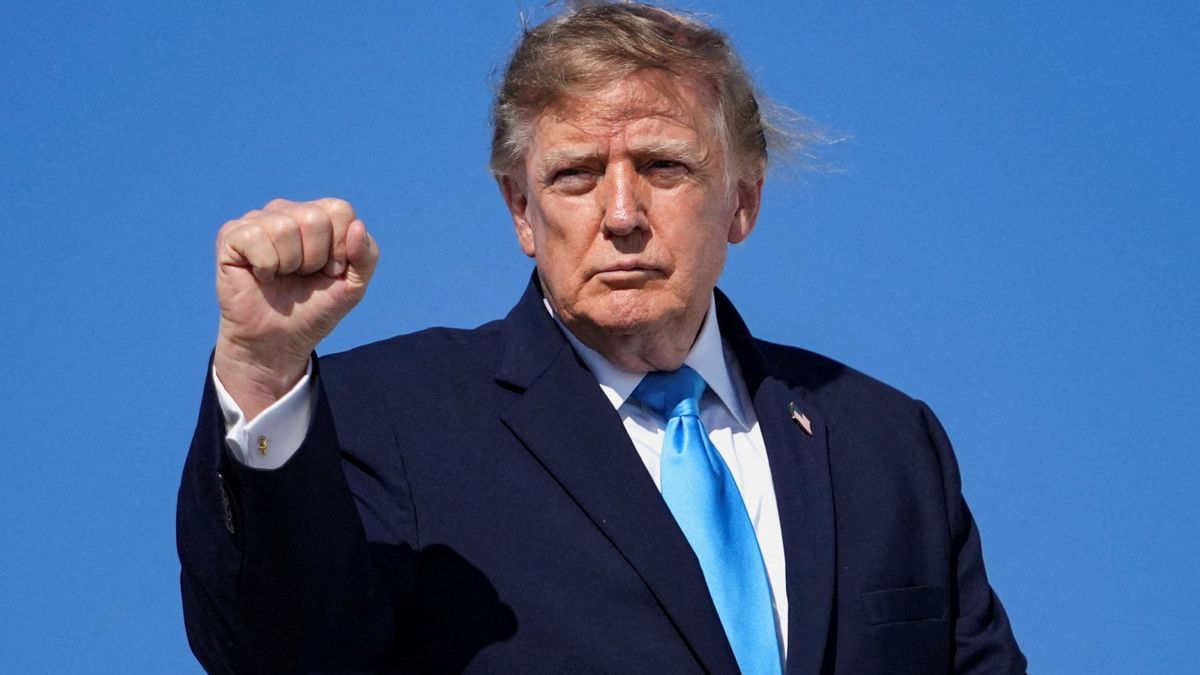
A six‑day Reuters‑Ipsos poll released on October 5 2026 recorded Donald Trump’s overall approval at 32%, while his rating among Hispanic voters fell to 24%, the lowest point in either of his presidencies. The same survey found that 52% of Hispanic respondents intend to back Democratic candidates in the November midterms, compared with just 26% for Republicans. The numbers arrive as Trump launches a 32‑day rally tour aimed at shoring up his party’s chances in a pivotal election that will decide control of both chambers of Congress.
The slide in Hispanic support is not merely a reflection of personal dislike; it is the product of intersecting incentives that shape the Republican Party’s calculus. First, immigration has become a litmus test for loyalty within the party. Trump’s hard‑line crackdown—expanded detention, accelerated deportations, and the threat of a nationwide asylum ban—was designed to energize a base that equates border security with national strength. Yet the same policies alienate the very demographic that helped swing the 2024 presidential race in his favor, turning a political asset into a liability.
Second, the decision to launch a limited war against Iran in early 2026 has strained the federal budget and heightened inflation, especially in regions with large immigrant labor forces. Defense contractors and a segment of the defense‑industrial lobby have profited, but the broader electorate feels the pinch at the grocery store and gas pump. By framing the conflict as a moral crusade against a hostile regime, the administration seeks to rally nationalist sentiment, but the economic fallout undercuts that narrative among working‑class voters.
Third, the midterm calendar forces the Republican leadership into a paradox. Party elders warn that Trump’s polarizing presence could depress turnout in swing districts, yet the president insists on a front‑line campaign, arguing that “they all want me to go.” This tension reveals a deeper structural dilemma: the party’s survival now hinges on balancing a charismatic, media‑savvy figure against the pragmatic need for broader, moderate appeal.
Finally, the demographic shift itself is a structural force. The Hispanic share of the electorate has grown to over 30% nationally, with younger, bilingual voters increasingly decisive in suburban battlegrounds. Their concerns—affordable housing, healthcare access, and family reunification—are often at odds with the Republican emphasis on tax cuts for corporations and aggressive immigration enforcement. The power equation, therefore, is a tug‑of‑war between a party that has historically courted minority voters through economic promises and a leadership that now prioritizes cultural nationalism.
The cost of rising prices, driven in part by defense spending on the Iran conflict, hits immigrant families hardest. Many Hispanic households rely on low‑wage service jobs that have seen stagnant wages while the cost of rent and food climbs. When the administration touts a strong economy, the lived reality for these families is one of shrinking purchasing power and increased debt.
Expanded detention facilities and faster deportation processes have led to a surge in family separations. Community organizations report a 15% rise in cases where parents are taken into custody while their children remain in school. The psychological toll—fear, anxiety, and loss of parental support—extends beyond the immediate legal battle, affecting school performance and long‑term mental health.
When political leaders dismiss the concerns of a community, that community’s trust in democratic institutions erodes. Hispanic voters who once felt a sense of agency after the 2024 election now report feeling “betrayed” and “ignored.” This disenfranchisement can depress turnout, reduce civic participation, and deepen the divide between marginalized groups and the state.
While the poll numbers dominate headlines, several layers of the narrative remain under‑reported. First, the Republican fundraising machine has increasingly leaned on corporate donors who benefit from the administration’s tax policies and defense contracts. These donors have a vested interest in keeping the war narrative alive, even as public opinion turns sour.
Second, mainstream media coverage often frames the Hispanic shift as a simple “trend” rather than a consequence of policy choices. By focusing on percentages, outlets sidestep the deeper question of how immigration raids, labor market pressures, and the war on Iran intersect to produce voter fatigue.
Third, the Democratic Party’s own messaging sometimes glosses over the structural causes of economic hardship, opting instead for identity‑based appeals. While they highlight Trump’s missteps, they rarely articulate a comprehensive economic plan that addresses the root causes of cost‑of‑living spikes for immigrant families.
Lastly, foreign actors have a history of exploiting domestic polarization. Intelligence reports suggest that state‑linked media from Iran and other adversarial nations have amplified anti‑Trump sentiment on social platforms, aiming to sow discord ahead of the midterms. This covert amplification is rarely mentioned in official briefings, yet it adds another layer to the power dynamics at play.
The coming weeks will reveal whether the Republican base can absorb the Hispanic backlash or if the party will pivot toward a more moderate, immigrant‑friendly platform. Key indicators include: the turnout numbers in Hispanic‑heavy districts such as Florida’s 27th and Texas’s 29th; the messaging from influential GOP senators who may distance themselves from Trump’s immigration stance; and any legislative moves to scale back or intensify the Iran conflict before the November vote. Additionally, watch for shifts in campaign financing—if corporate donors begin to pressure the party leadership to temper hard‑line rhetoric, it could signal an internal recalibration. Finally, monitor grassroots organizing within Hispanic communities; a surge in voter registration drives or community‑based advocacy could reshape the political calculus beyond the immediate election cycle.
The interplay of demographic change, policy choices, and elite interests will determine whether the 2026 midterms become a referendum on Trump’s second term or a broader test of America’s democratic responsiveness to its most rapidly growing electorate.
The drop reflects backlash against stricter immigration enforcement, rising living costs tied to the Iran conflict, and a perception that the president’s policies no longer address the economic needs of Hispanic communities.
If Hispanic turnout remains high for Democrats, swing districts with large Latino populations could flip, potentially denying Republicans control of the House and Senate and limiting Trump's agenda.
Intelligence agencies have noted that state‑linked media from adversarial nations amplify anti‑Trump narratives on social platforms, aiming to deepen domestic polarization and influence election outcomes.
Editor's Note: Analysis based on publicly available polling data and expert commentary; future developments may shift dynamics.
Source referenced: ALJAZEERA
This brief was synthesized by our Editorial Engine and reviewed by The Ground Narrative team.