TRENDING

Tuesday, 6 October 2026
----------------------
25 Rabi' Al-Thani 1448 AH
Britain warned Israel it will expel 27 diplomats if Jerusalem’s British consulate is shut, a retaliation for new settlement sanctions. The standoff pits diplomatic leverage against the everyday lives of Palestinians caught in the city’s contested zones.
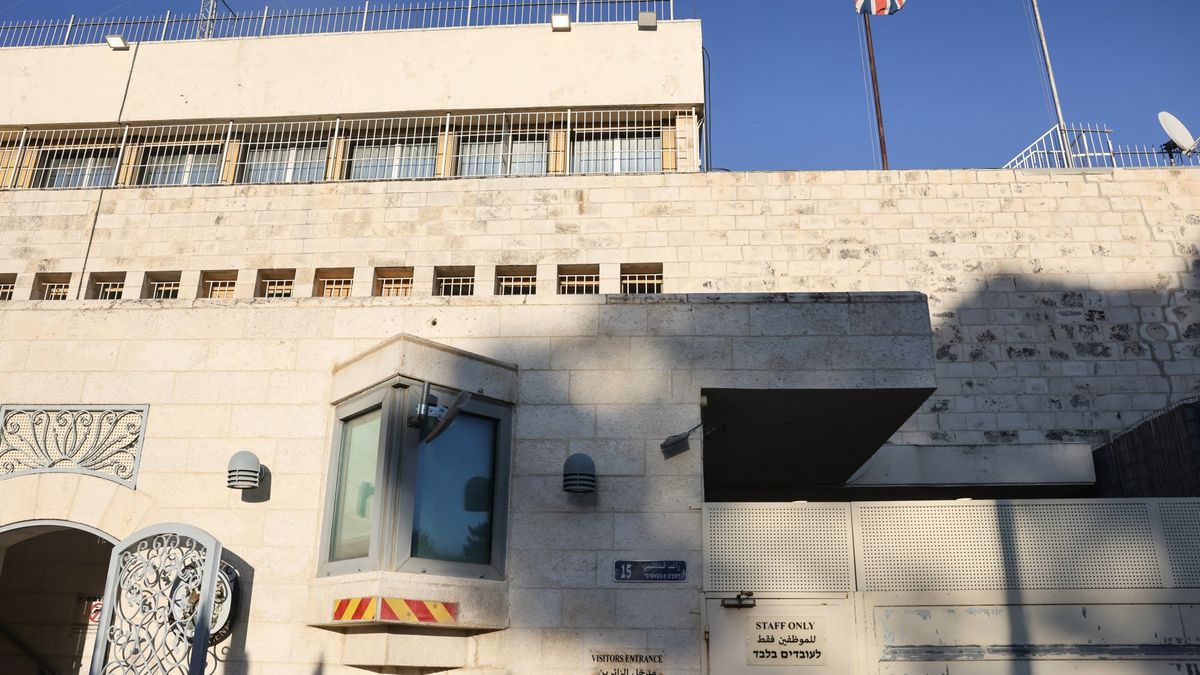
The United Kingdom has warned Israel that it will expel 27 of its diplomats if the British consulate in occupied East Jerusalem is forced to close. The Israeli decision follows London’s recent sanctions on illegal settlements in the West Bank, including a ban on certain imports. British National Security Adviser Jonathan Powell has already travelled to Tel Aviv in an attempt to reverse the closure, but talks have stalled.
London’s move to sanction settlement products marks a rare use of economic pressure to influence Israeli policy. By targeting goods produced in outposts deemed illegal under international law, the United Kingdom signals alignment with broader European criticism while appealing to domestic constituencies that view settlements as a barrier to peace.
Israel’s order to shut the consulate is a classic reciprocal measure: for every British diplomat removed, an Israeli envoy will be expelled. This mirrors a long‑standing playbook where diplomatic staff become bargaining chips, allowing governments to signal resolve without resorting to military force.
Prime Ministerial advisers face pressure from opposition parties and civil‑society groups demanding a tougher stance on settlement expansion. The sanctions and the consulate threat provide a visible foreign‑policy win that can be touted ahead of upcoming elections, even as the government balances trade ties with the United States and other allies.
From Israel’s perspective, the consulate is a conduit for Palestinian engagement and a symbol of international presence in the contested capital. Closing it sends a message to both the Palestinian Authority and regional rivals that Jerusalem will not be used as a bargaining chip by external powers.
The consulate handles essential services—passport renewals, humanitarian assistance, and liaison with local NGOs. Its closure would force residents to travel to the Israeli‑controlled embassy in Tel Aviv, a journey that can take hours and expose them to checkpoints. Already, families report delays in obtaining travel documents, affecting medical treatment and education.
Twenty‑seven British diplomats and support personnel risk losing their posts, disrupting careers and family stability. Many have built personal networks within the Palestinian community; their abrupt removal could erode trust built over years of on‑the‑ground engagement.
Expelling 27 Israeli envoys would strain the foreign service, forcing junior officers into roles for which they may be unprepared. The loss of seasoned diplomats could hamper Israel’s ability to negotiate on other fronts, from trade talks with the European Union to security coordination with the United States.
Both London and Jerusalem present the dispute as a diplomatic spat, but the underlying economic stakes are larger. Settlement‑related industries—construction, agriculture, and tourism—employ thousands of Israeli workers and generate significant export revenue. Sanctions threaten these profit streams, a factor rarely highlighted in official statements.
Western outlets often portray the British consulate as merely a bureaucratic outpost, overlooking its role as a rare point of contact for Palestinians seeking legal aid and international advocacy. By minimizing this function, governments can downplay the humanitarian fallout of its closure.
While the United States has not issued a formal comment, behind‑the‑scenes diplomatic cables suggest Washington is monitoring the situation closely, wary that a broader diplomatic fallout could complicate its own peace‑process initiatives. This tacit stance is omitted from public briefings.
- Negotiation rounds: Expect a flurry of back‑channel talks in the coming weeks, possibly involving EU envoys seeking to mediate a compromise that keeps the consulate open while addressing settlement concerns.
- Domestic backlash: Pro‑Palestinian NGOs in the United Kingdom are likely to stage demonstrations, pressuring the government to maintain its stance, while Israeli settler groups may rally against any perceived concession.
- International response: The European Union could issue a coordinated statement linking future trade agreements to Israel’s treatment of diplomatic missions, adding another layer of economic pressure.
- Potential escalation: If the consulate closes, reciprocal expulsions could expand beyond the 27‑to‑27 ratio, potentially drawing in allied diplomatic missions and raising the risk of a broader diplomatic crisis.
- Humanitarian impact: Monitor aid delivery metrics from UNRWA and other NGOs operating in East Jerusalem; any dip in service levels will signal the real‑world consequences of the diplomatic deadlock.
Stakeholders from London to Tel Aviv will be watching each other's moves closely. The next statements from the British Foreign Office and the Israeli Ministry of Foreign Affairs will likely set the tone for whether this tit‑for‑tat remains contained or spirals into a wider diplomatic rupture.
The UK imposed sanctions on illegal settlement products in the West Bank, prompting Israel to order the closure of the British consulate in East Jerusalem. In response, Britain warned it would expel 27 Israeli diplomats if the closure proceeds.
The consulate provides essential services such as passport renewals and humanitarian assistance. Its shutdown would force residents to travel to Tel Aviv for basic consular help, creating delays, added costs, and increased exposure to checkpoints.
Source referenced: ALJAZEERA
This brief was synthesized by our Editorial Engine and reviewed by The Ground Narrative team.