TRENDING

Saturday, 14 November 2026
----------------------
4 Jumada Al-Thani 1448 AH
President Donald Trump heads to Manila and Shenzhen amid a domestic defeat, seeking to project strength abroad. The trip reshapes regional alignments while ordinary peoples bear the hidden costs.
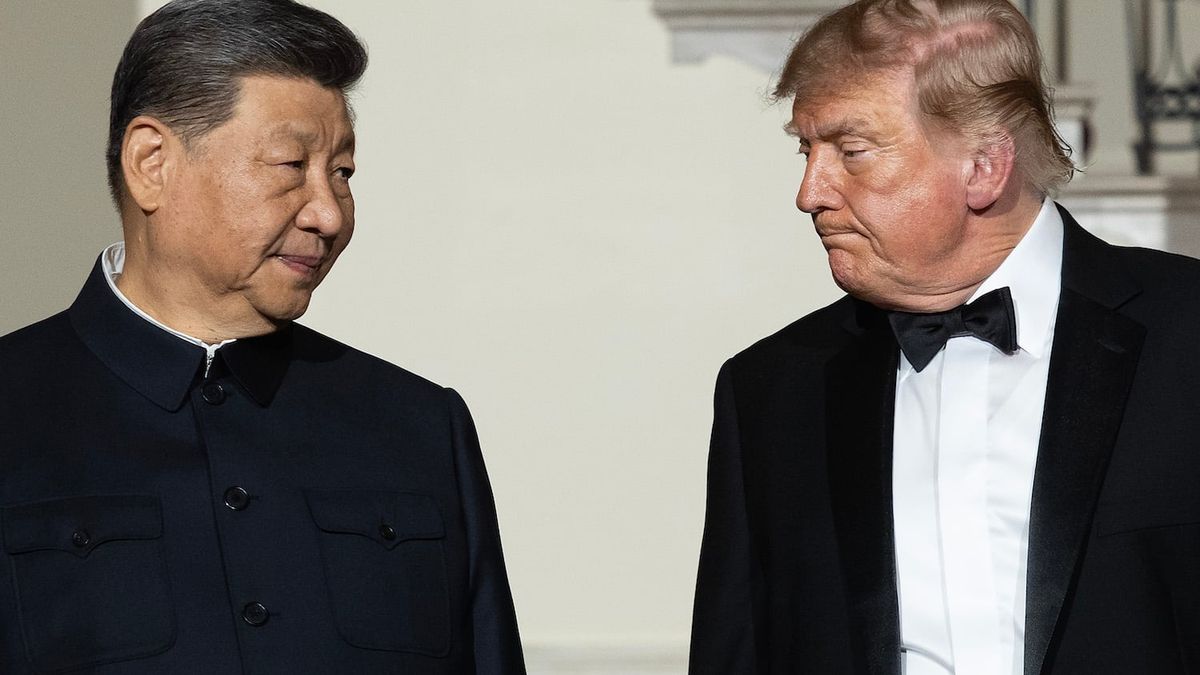
President Donald Trump is set to land in the Philippines for the ASEAN summit before jetting to Shenzhen for the APEC meeting. In Manila he will sit with the Quad partners – Australia, Japan and India – while in China he will meet Xi Jinping for a third time this year and hint at a possible three‑way sit‑down with Vladimir Putin. The itinerary arrives just weeks after the midterm elections handed control of Congress to the Democrats, limiting Trump’s legislative leverage at home.
The trip is less about policy breakthroughs than about political optics. Domestically, a lame‑duck president faces a hostile Congress that can block any substantive agenda, so foreign trips become a stage for rebuilding a narrative of decisive leadership. Experts note that Trump’s penchant for “pomp and circumstance” – red carpets, parades, and military displays – satisfies a personal need for validation while signaling to allies and rivals that the United States remains a global actor despite internal setbacks.
Economic incentives also drive the agenda. The U.S.–China trade truce, extended only until mid‑January, hangs on a fragile balance of semiconductor export controls and Chinese access to critical minerals. The recent scandal at Nvidia, whose CEO resigned amid allegations of espionage ties, adds a volatile element to the chip debate. While Chinese officials publicly decry “fabricated spy narratives,” both sides have a tacit interest in keeping the dispute low‑key to avoid market turbulence that could further erode Trump’s standing.
Strategically, the Quad meeting offers a chance to reaffirm the security architecture that counters Beijing’s growing influence in the Indo‑Pacific. Yet the United States’ preparation appears half‑hearted; senior officials admit Trump shows less enthusiasm for the grouping than for bilateral talks with Xi or Putin. For Beijing, hosting the summit provides a diplomatic win, showcasing its willingness to engage while subtly steering the agenda away from contentious issues like Taiwan or the Ukraine war.
Russia’s involvement adds another layer. Putin has floated a trilateral dialogue that would place China and the United States on equal footing, effectively a G‑3 framework that could dilute Western pressure on Moscow over Ukraine. Beijing, however, is wary of being cast as a guarantor of any settlement, preferring a scripted, symbolic encounter that preserves its own strategic autonomy.
The ASEAN summit brings a surge of security personnel, journalists, and support staff to Manila, inflating demand for hotels, transport, and catering. While the influx generates short‑term revenue, it also strains infrastructure and pushes up prices for residents already coping with inflation and under‑employment. Local vendors compete with multinational contractors for contracts to provide everything from translation services to security equipment, often at rates that undercut sustainable wages.
In Shenzhen, the APEC gathering coincides with a period of heightened scrutiny on China’s tech export controls. Companies that rely on U.S. semiconductor equipment face uncertainty, which can delay production lines and lead to layoffs in factories that already operate on thin margins. The Nvidia scandal, though centered on a U.S. firm, reverberates through Chinese supply chains, creating a climate of distrust that hampers joint research projects and joint‑venture investments.
The visible display of military hardware – aircraft, naval vessels, and missile systems – serves a political purpose but also fuels a regional arms race. Defense contractors in the United States secure lucrative contracts to supply equipment for the Quad partners, but the downstream effect is higher defense spending in Southeast Asian nations, diverting resources from health, education, and climate resilience.
If a Trump‑Xi‑Putin meeting materializes, the discussion is expected to touch on Ukraine’s future. Yet any diplomatic overture that sidelines Ukrainian agency risks prolonging the conflict, extending civilian suffering, and delaying reconstruction aid. The human toll of a protracted war remains largely invisible in the glossy press releases that accompany such high‑level meetings.
Official statements downplay the fallout from the Nvidia resignation, framing it as an isolated personnel issue. Behind the scenes, senior officials are negotiating the next round of export restrictions, but the public narrative emphasizes continuity and stability to avoid market panic that could further damage Trump’s domestic approval.
Beijing’s foreign ministry repeatedly condemns “fabricated spy narratives,” a line that serves two purposes: it deflects criticism of its own export controls and reinforces a domestic narrative of external hostility. By casting the United States as the aggressor, Chinese leaders aim to rally nationalist sentiment and justify tighter control over technology transfers.
While the United States and China publicly stress the symbolic nature of a three‑way meeting, Putin sees an opportunity to extract concessions on sanctions and to position Russia as an indispensable mediator in the Ukraine conflict. The Russian agenda is largely omitted from the joint press releases, leaving observers to guess at the substantive outcomes.
Mainstream coverage focuses on the diplomatic choreography – handshakes, photo‑ops, and policy soundbites – while the everyday hardships faced by Filipino service workers, Chinese factory employees, and Ukrainian civilians receive scant attention. This omission reinforces a perception that high‑level politics operate in a vacuum, detached from the lived realities of ordinary people.
The next few weeks will reveal whether the symbolic gestures translate into concrete policy shifts. Key indicators include: (1) any amendment to U.S. semiconductor export rules announced after the APEC summit; (2) the tone of the joint communiqué from a potential Trump‑Xi‑Putin meeting, especially references to Ukraine or nuclear arms control; (3) the response of Quad members – whether they push for deeper security cooperation or retreat to bilateral talks; and (4) domestic reactions in the United States as Congress prepares to confront the president’s foreign agenda. Observers should also monitor price movements in the semiconductor market and labor protests in Manila, both of which can serve as early warnings of the trip’s hidden costs.
By tracking these signals, readers can gauge whether the trip is a fleeting display of power or a catalyst for longer‑term shifts in the Indo‑Pacific balance of power.
The trip offers a platform to showcase strength abroad and generate headlines that can offset domestic political setbacks, especially as a Democratic Congress will limit his legislative agenda.
While officials claim it will be symbolic, any discussion that includes Putin may aim to reshape sanctions or negotiate a cease‑fire, but the lack of Ukrainian representation raises doubts about substantive progress.
The visit coincides with ongoing export control debates; any softening or tightening of rules could shift market prices and impact factories in both countries that depend on advanced chips.
Source referenced: FOREIGNPOLICY
This brief was synthesized by our Editorial Engine and reviewed by The Ground Narrative team.