TRENDING

Monday, 5 October 2026
----------------------
24 Rabi' Al-Thani 1448 AH
Defending Women's Tour de France champion Pauline Ferrand-Prévot's sudden withdrawal due to illness highlights the intense physical and mental demands on professional cyclists. As the sporting world watches, it's the athletes who bear the human cost of competition.
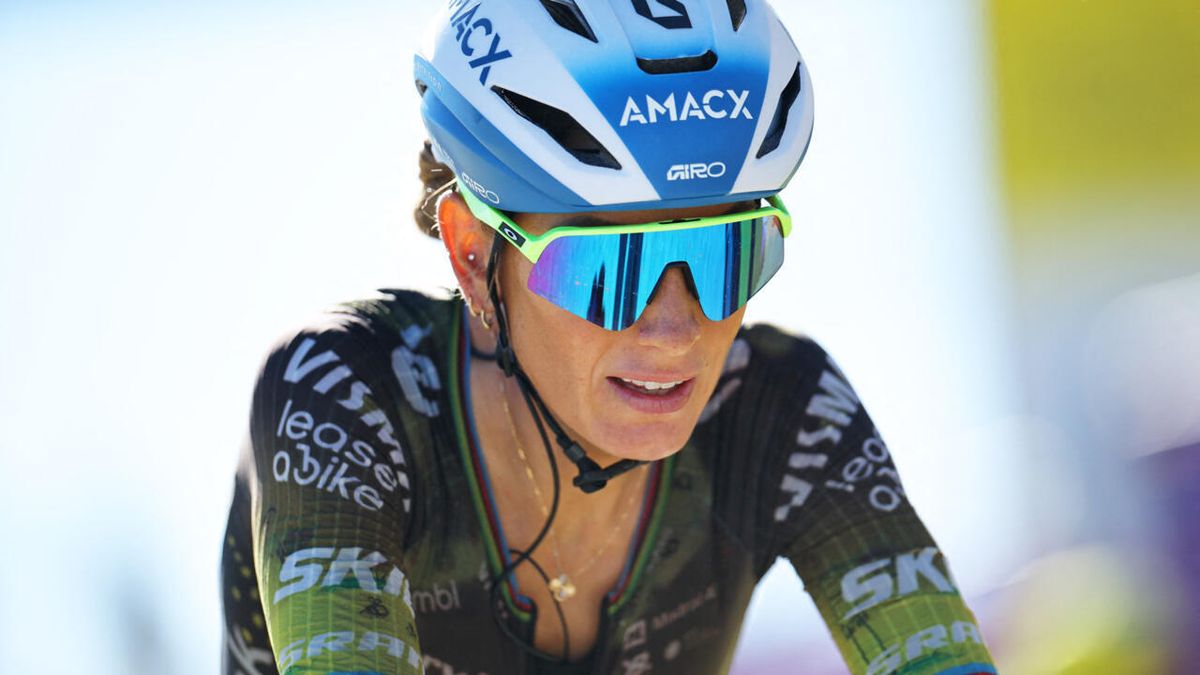
Pauline Ferrand-Prévot, the defending champion of the Women's Tour de France, pulled out of the race ahead of the eighth stage due to feeling unwell. This decision was made after consultation with her team's medical staff, emphasizing the importance of athlete health in professional sports.
The world of professional cycling is highly competitive, with athletes pushing their bodies to extreme limits. The physical strain of such competitions can lead to health issues, as seen in Ferrand-Prévot's case. Moreover, the pressure to perform from teams, sponsors, and fans can exacerbate the situation, sometimes leading to decisions that prioritize competition over health.
The human cost of professional sports is often overlooked in the excitement of competition. Athletes like Ferrand-Prévot, who have dedicated their lives to their sport, face immense physical and mental stress. The withdrawal of a defending champion not only affects the athlete personally but also impacts their team's strategy and morale. Furthermore, it highlights the vulnerability of athletes to health issues, which can have long-term consequences on their careers and personal lives.
What is often downplayed in the narratives of professional sports is the fine line between health and competition. The drive to win can lead to a culture where athletes feel pressured to compete even when they're not fully fit, potentially risking their health. This culture is perpetuated by the high stakes of professional sports, where sponsorship, team standings, and personal reputation are on the line. The story of Ferrand-Prévot's withdrawal serves as a reminder of the need for a balanced approach that prioritizes athlete health alongside competitive goals.
As the Women's Tour de France continues, readers should watch for how teams and organizers prioritize athlete health. The reaction to Ferrand-Prévot's withdrawal will set a precedent for how similar situations are handled in the future. Moreover, the broader conversation about the pressures of professional sports and the measures in place to support athlete well-being will be crucial. The sporting world must consider whether the current system adequately protects athletes from the intense physical and mental demands of competition.
Editor's Note: The analysis is based on publicly available information and may not reflect the full complexity of the situation due to the lack of detailed medical reports or direct statements from the athlete.
Source referenced: FRANCE24
This brief was synthesized by our Editorial Engine and reviewed by The Ground Narrative team.