TRENDING

Monday, 5 October 2026
----------------------
24 Rabi' Al-Thani 1448 AH
A rare total solar eclipse captivated millions worldwide, but beneath the spectacle, powerful nations are leveraging scientific cooperation for strategic gain. As the world marvels at celestial events, it's crucial to understand the underlying power dynamics and who truly benefits from these moments of global unity.
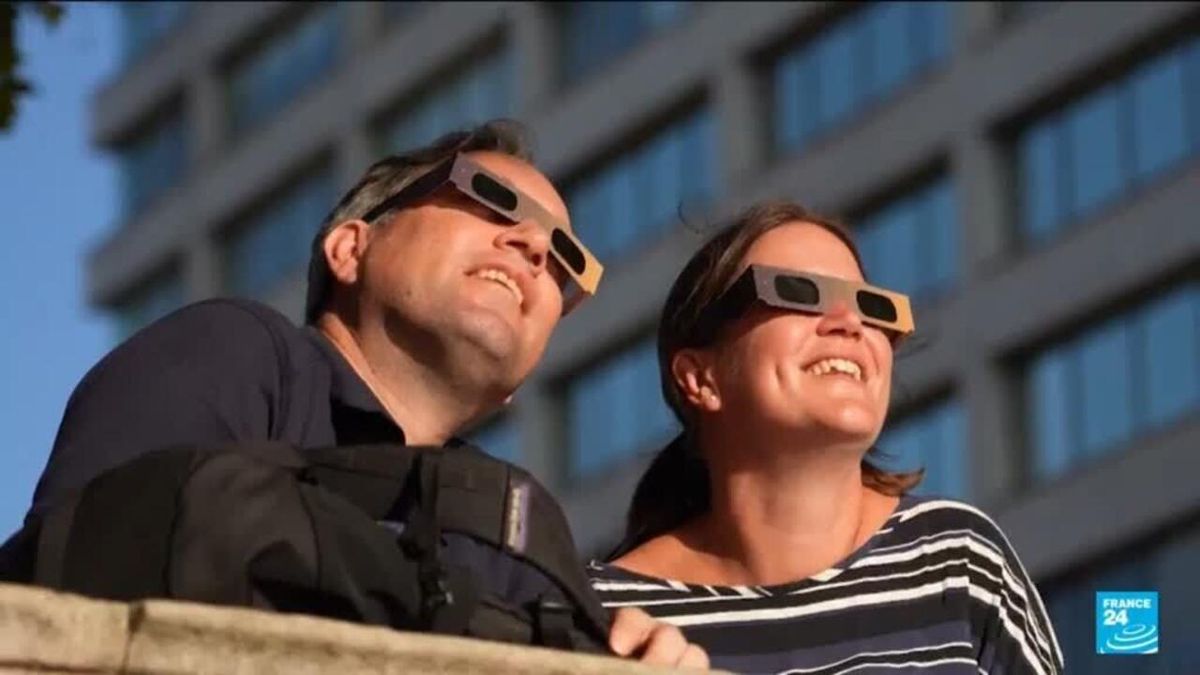
On August 13, 2026, a total solar eclipse was visible in parts of Europe, with millions of tourists flocking to Spain to witness the rare event. Approximately one in eight people worldwide saw a partial eclipse, making it a shared experience across the globe.
Behind the scenes of this celestial spectacle, nations are engaging in a delicate dance of scientific cooperation and strategic maneuvering. The ability to predict and study such events is deeply rooted in advanced technologies and international collaborations, areas where nations like the US, China, and the EU are vying for dominance. The sharing of scientific data and the coordination of research efforts during events like the solar eclipse can foster goodwill and cooperation, but they also serve as avenues for nations to demonstrate their technological prowess and reinforce their positions in the global order.
While the solar eclipse is largely a wonder to behold, the human cost of such events is often overlooked. For instance, the influx of millions of tourists into specific regions like Spain can put a strain on local infrastructure and resources, potentially displacing or disrupting the lives of residents. Furthermore, the economic benefits of tourism may not be evenly distributed, with large corporations and governments often reaping the most significant rewards while local communities may see minimal benefits.
What is often downplayed in the coverage of global events like the solar eclipse is the extent to which they are used as tools for soft power and diplomatic leverage. Nations use these moments of shared human experience to bolster their international image and to foster relationships that can lead to strategic advantages. The cooperation and mutual interest in scientific research can mask underlying tensions and competitions, especially in areas like space exploration and technology, where the boundaries between civilian and military applications are increasingly blurred.
As the world moves forward from this rare celestial event, it will be crucial to observe how nations leverage the goodwill and scientific advancements stemming from the solar eclipse. Will this lead to increased cooperation in areas like space exploration, potentially paving the way for new international agreements or alliances? Or will the strategic interests of powerful nations overshadow the spirit of global unity, leading to a reinforcement of existing power dynamics? The answers to these questions will provide insight into the true nature of global relations and the role of scientific cooperation within them.
Editor's Note: The analysis of the geopolitical implications of the solar eclipse is based on general trends and the strategic interests of nations. Specific outcomes may vary based on unforeseen developments and the complex interplay of international relations.
Source referenced: FRANCE24
This brief was synthesized by our Editorial Engine and reviewed by The Ground Narrative team.