TRENDING

Monday, 5 October 2026
----------------------
24 Rabi' Al-Thani 1448 AH
Former U.S. President Joe Biden's battle with advanced cancer brings renewed focus on the health of public figures and the transparency surrounding their time in office. This development prompts questions about the human toll of power and the narratives shaped by official silence.
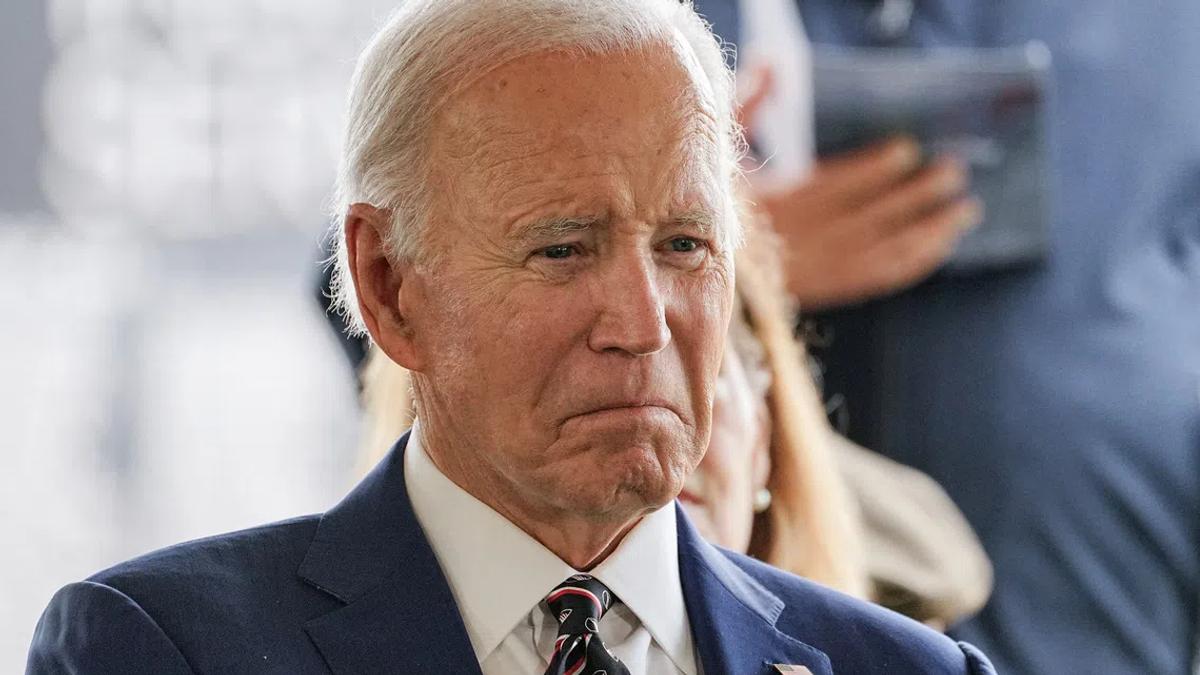
Former U.S. President Joe Biden's prostate cancer has advanced, spreading beyond his bones and causing significant pain, according to his son, Hunter Biden. This candid revelation, made in an interview, confirms a diagnosis first disclosed in May 2025, less than four months after Biden left the White House. The 83-year-old former president is reportedly undergoing radiation and hormone therapy, a battle that has brought renewed, albeit belated, scrutiny to the health of a leader whose physical and mental acuity were often questioned during his 2021-2025 term.
The health of a former president, particularly one who recently held the highest office, is never merely a private affair. It is a critical component of political narrative, historical legacy, and the ongoing public discourse about leadership and the demands of power. The immediate silence from Biden's spokesperson following Hunter Biden's interview is a telling act of narrative control. This deliberate withholding of official comment serves to manage public perceptions, protect the former president's legacy, and dictate the terms under which such sensitive information is disseminated. It underscores the enduring power of political establishments to shape public understanding, even when a figure has left office. The timing and source of such revelations are rarely accidental; they are often calculated moves in a larger game of influence, reminding us that information, even about personal suffering, is a potent tool in the political arena.
Beyond the profound personal suffering for Joe Biden and his family, the broader human cost of this situation falls upon the public's right to comprehensive understanding. Citizens rely on transparency from their leaders, both current and former, to accurately contextualize historical events and make informed judgments about governance. When critical health details are revealed piecemeal, by proxies, or long after the fact, it erodes public trust and forces citizens to fill information gaps with speculation. This opacity can foster a sense of being deliberately kept in the dark about the true realities faced by those in power. It can lead to a public that feels disempowered, unable to fully grasp the complexities of decisions made on their behalf, and ultimately, less confident in the institutions that govern them. The human cost here is a subtle but significant chipping away at the foundation of informed public discourse.
The raw intelligence notes that Biden's physical health and mental acuity drew scrutiny during his presidency. What was the full, unvarnished truth of these concerns, and how might they have influenced policy decisions, strategic alliances, or the day-to-day operations of the White House? During his term, official statements consistently downplayed or dismissed these questions, painting a picture of robust health. Hunter Biden's recent candidness, contrasting sharply with the previous official line, suggests a more complex and perhaps more painful reality. The timing of this revelation, ahead of a scheduled presidential memoir release, also raises questions about the strategic management of a legacy. It implies a potential willingness to reveal more uncomfortable truths than previously admitted, but on terms controlled by the family. The full impact of his health on his decision-making and the trajectory of his presidency remains largely unaddressed by official channels, leaving a significant, unspoken chapter in the historical record.
Moving forward, observers should watch how this revelation influences the ongoing, global debate about age, health, and fitness for high office, a discussion that resonates deeply in many democracies. Pay close attention to any further details that emerge, particularly if they come from sources outside official channels, as these may offer a less curated perspective. The upcoming release of Biden's presidential memoir could be a pivotal moment, potentially offering a more intimate, though still carefully framed, account of his health struggles during his time in power. Finally, observe how political opponents and allies alike leverage this information to shape their own narratives about leadership, vulnerability, and the demands placed upon those who hold the reins of power.
Source referenced: STRAITSTIMES
This brief was synthesized by our Editorial Engine and reviewed by The Ground Narrative team.


