TRENDING

Friday, 13 November 2026
----------------------
3 Jumada Al-Thani 1448 AH
Across Europe, schools, airports, and newsrooms are being targeted by a wave of hoax bomb threats and cyberattacks, suspected to originate from Russia. These low-cost operations aim to sow fear, drain resources, and undermine public trust in institutions.
In a concerning escalation of what intelligence officials describe as hybrid warfare, Europe has been gripped by a series of widespread, coordinated hoax bomb threats and disruptive cyberattacks. In early November, thousands of Italian schools received identical email threats from a sender identifying as “Mikhail Andropov,” claiming explosive devices were hidden within their buildings. Simultaneously, hundreds of schools in Northern Ireland and Scotland faced similar threats, leading to mass evacuations from Trieste to Palermo.
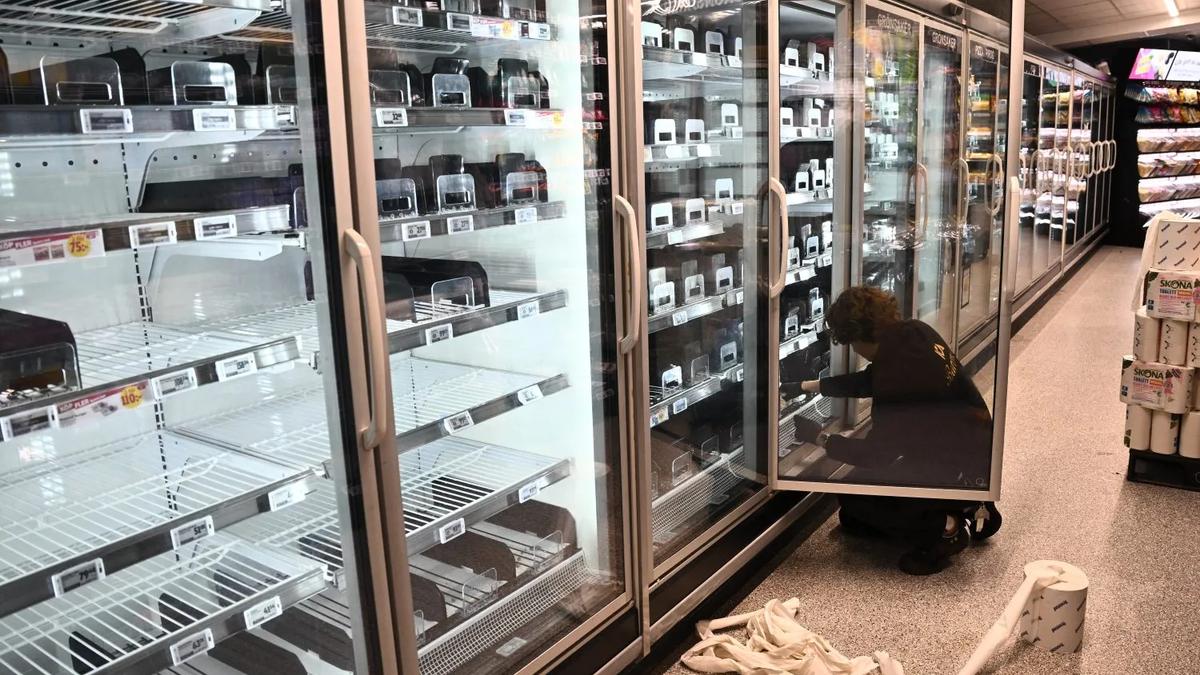
This wave followed earlier incidents in October and November where hundreds of schools in Britain, Hungary, and Serbia were targeted. Beyond education, the campaign extended to critical infrastructure and public services: newsrooms in Ireland and Bulgaria were evacuated after receiving threats, and at least 35 passenger flights across Europe were affected by false alarms, forcing fighter jet scrambles and diversions. Concurrently, French supermarkets and stores in at least 11 other European countries experienced cyberattacks that took refrigeration systems offline. While Moscow denies involvement, European intelligence services point to Russia as the most likely orchestrator, citing motive, modus operandi, and established precedents for such destabilizing operations.
This campaign exemplifies the core principle of asymmetric warfare: achieving significant disruption and psychological impact with minimal investment. For the attacker, launching a wave of hoax emails or a basic cyber intrusion requires little more than an internet connection and a few minutes. The cost, however, for the targeted nations is enormous. Each false alarm triggers a full-scale emergency protocol, involving police, bomb disposal teams, air traffic control, and even military assets like fighter jets. Schools shut down, flights are diverted, and businesses face interruptions, all draining public resources and productivity.
At its heart, this is a sophisticated psychological operation. The primary goal is not physical destruction, but to sow confusion, generate widespread fear, and erode public trust in the ability of institutions to ensure safety and security. By targeting everyday spaces like schools and supermarkets, the attacks bring the abstract concept of geopolitical conflict directly into the daily lives of ordinary citizens, making them feel vulnerable and unprotected. The constant barrage, even of false threats, creates a pervasive sense of insecurity that can undermine social cohesion and governmental legitimacy.
Crucially, these operations exploit the attribution dilemma. The attackers employ various false flags—from a long-dead Soviet leader’s pseudonym to anti-feminist groups or even spoofed addresses from distant countries like Colombia. This obfuscation makes definitive technical attribution challenging, often leaving intelligence agencies with strong suspicions but no
Source referenced: FOREIGNPOLICY
This brief was synthesized by our Editorial Engine and reviewed by The Ground Narrative team.