TRENDING

Monday, 5 October 2026
----------------------
24 Rabi' Al-Thani 1448 AH
A deep dive into the economic history of the United States reveals a complex and fraught relationship between slavery, capitalism, and empire. From its founding to the present day, the US has grappled with the consequences of its slave economy, shaping its politics, society, and economy in profound ways.
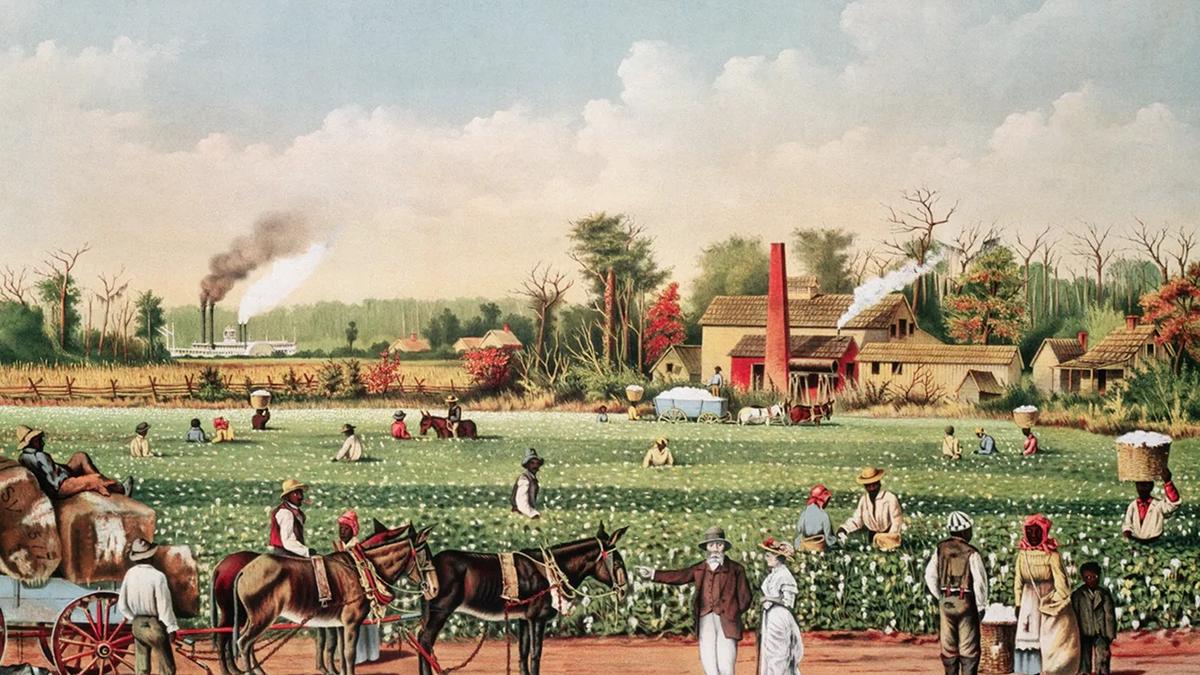
The United States was founded in 1776, the same year that Adam Smith published The Wealth of Nations, a treatise on international capitalism. While the coincidence between these two events is debated, it is clear that the US emerged as a slave economy, with slavery playing a central role in its economic development.
Slavery was not just a peripheral institution in the US economy; it was a fundamental component of American life. By the 19th century, slaves made up 12.6% of the US population, with their share of the labor force even higher. In agriculture, where 90% of slave labor was employed, slaves made up 37-40% of the agricultural labor force.
The economic significance of slavery cannot be overstated. Slaves contributed around 12-14% of the total economic activity in the US, making them a giant sector in the economy. This is comparable to the manufacturing sector in modern-day America.
The legacy of slavery continues to shape American society and economy today. The undigested legacy of slavery has led to ongoing issues of anti-Black racism, including the criminalization and incarceration of African American men. This is a stark contrast to other industrialized nations, which have largely moved beyond their own histories of slavery and racism.
The US has a distinct lack of a strong socialist tradition, which is often attributed to its unique history and cultural context. However, this narrative overlooks the significant role that European exiles played in shaping American socialism. Marx and Engels were obsessed with events in the US during the American Civil War, and some of their comrades even fought on the side of the Union army.
The economic history of the US is complex and fraught, shaped by the legacy of slavery and its ongoing impact on American society and economy. As the US continues to grapple with the consequences of its slave economy, it is essential to understand the historical context and ongoing implications of this legacy.
Editor's Note: While the legacy of slavery continues to shape American society and economy, the exact nature and extent of its impact remain a subject of ongoing debate and research.
Source referenced: FOREIGNPOLICY
This brief was synthesized by our Editorial Engine and reviewed by The Ground Narrative team.


