TRENDING

Saturday, 17 October 2026
----------------------
6 Jumada Al-Awwal 1448 AH
The arrest of Andrew and Tristan Tate in the United States, followed by a UK extradition request on new charges, underscores the complex interplay of international law and cross-border judicial cooperation. This development highlights the global reach of legal systems in pursuing individuals accused of serious transnational crimes.
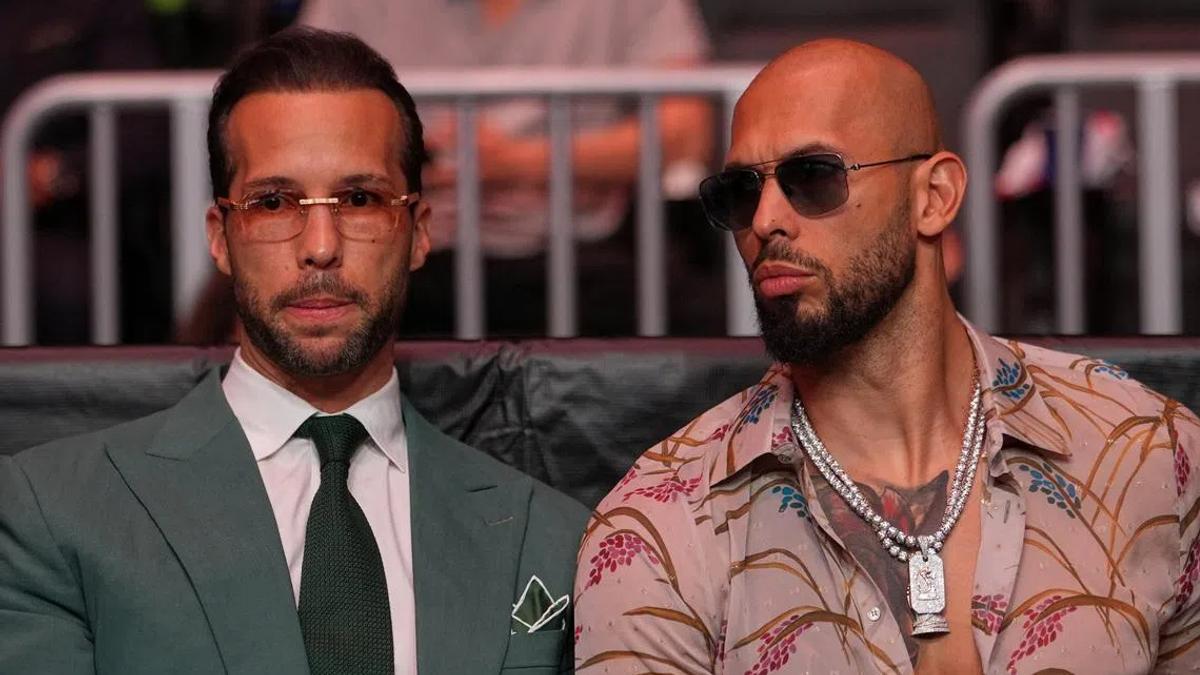
On Saturday, July 18, 2026, the U.S. Marshals Service arrested Andrew Tate, 39, and Tristan Tate, 38, in Miami, Florida. This action followed a formal request from Britain's Crown Prosecution Service (CPS), which announced its intention to seek the extradition of the dual U.S. and British citizens. The UK authorities are pursuing new charges against the brothers, including rape, bodily harm, human trafficking, and offenses related to indecent images of a child. These alleged offenses reportedly occurred between July 2010 and August 2017, with the CPS identifying four additional victims in their expanded investigation.
The arrests mark a significant moment in the ongoing legal challenges faced by the Tate brothers, who have garnered a substantial online following for their controversial views on masculinity and wealth. Andrew Tate has previously described himself as a misogynist, and their public profile has amplified the scrutiny surrounding their legal entanglements. The immediate implication of this arrest is the activation of the extradition process between the United States and the United Kingdom, two nations with a robust history of legal cooperation and established extradition treaties. This mechanism allows sovereign states to request the transfer of individuals accused or convicted of crimes across their borders, ensuring that justice can be pursued even when suspects attempt to evade jurisdiction.
This development adds another layer of complexity to the Tates' already intricate legal situation. The brothers have been under investigation in Romania since December 2022, where they face separate criminal proceedings. Furthermore, Andrew Tate is scheduled to face a civil trial in Britain this year, brought by four women alleging physical and sexual abuse between 2013 and 2015. The new UK criminal charges and the subsequent extradition request demonstrate a concerted effort by international legal bodies to hold the individuals accountable across multiple jurisdictions for a range of serious allegations.
The involvement of three distinct national legal systems—Romania, the UK, and the US—highlights the challenges and necessities of international judicial cooperation in an increasingly interconnected world. For individuals with dual citizenship and a global presence, the ability of national authorities to collaborate on investigations and prosecutions is paramount. This case serves as a powerful illustration of how the principle of the rule of law can transcend national borders, ensuring that individuals, regardless of their public profile or online influence, are subject to legal processes for alleged serious crimes.
The Tates' prominence as social media figures adds a unique dimension to this case. Their large online following and the nature of their content have often sparked debates about the responsibility of online influencers and the potential for their platforms to be used to disseminate harmful ideologies or facilitate illegal activities. While the charges against them are not directly related to their online content, their public persona inevitably intertwines with the legal proceedings, drawing global attention to issues of accountability for high-profile personalities.
From a geopolitical perspective, this case reinforces the growing importance of international agreements and collaborative law enforcement efforts in combating transnational crime, including human trafficking and sexual exploitation. As individuals and criminal networks operate across borders with increasing ease, the capacity of states to share intelligence, coordinate arrests, and facilitate extraditions becomes critical for maintaining global security and upholding human rights. The pursuit of justice in this high-profile case sends a clear message about the international community's commitment to addressing such serious allegations, irrespective of the accused's fame or perceived influence.
In conclusion, the arrest of Andrew and Tristan Tate in the U.S. and the UK's extradition request represent a significant moment in international legal affairs. It underscores the robust framework of international cooperation between the U.S. and the UK, the complexities of multi-jurisdictional legal battles, and the unwavering commitment to holding individuals accountable for serious alleged crimes, even those with considerable public platforms. The unfolding legal processes will continue to test the efficacy of these international mechanisms in an era defined by global connectivity and transnational challenges.
Source referenced: STRAITSTIMES
This brief was synthesized by our Editorial Engine and reviewed by The Ground Narrative team.