TRENDING

Sunday, 18 October 2026
----------------------
7 Jumada Al-Awwal 1448 AH
Israel's Environmental Protection Minister has reclassified crocodiles, potentially enabling their use for prison security, a move championed by far-right National Security Minister Itamar Ben-Gvir. This controversial proposal, aimed at deterring escapes from facilities primarily holding Palestinian detainees, has ignited debate over human rights and the ethics of security measures.
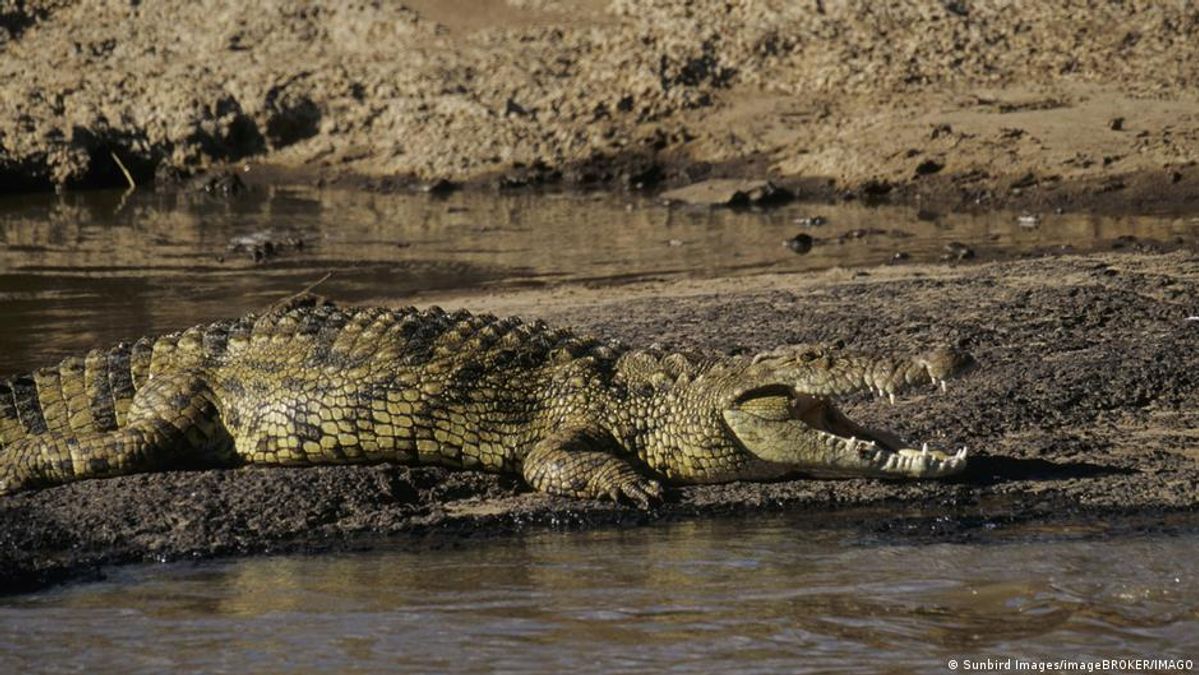
In a development signaling a potential shift in Israel's approach to prison security, the country's Environmental Protection Minister, Idit Silman, has reclassified Nile crocodiles from 'wild animals' to 'cultivated wild animals.' This administrative change, enacted recently, paves the way for approved security organizations, such as the Israel Prison Service, to potentially deploy these reptiles for security tasks, subject to government approval and environmental conditions.
The initiative is largely driven by Israel's far-right National Security Minister, Itamar Ben-Gvir, who reportedly proposed the idea in December. Ben-Gvir, known for his hardline stance on security and Palestinian issues, explicitly intends to use crocodiles to guard Ketziot prison in southern Israel, a facility that primarily holds Palestinian security prisoners. His public statements, including a social media post featuring an AI-generated image of himself with a crocodile on a leash and the message, "Are you thinking of attempting to escape? Think again," underscore the deterrent intent behind the proposal.
The primary motivation behind this controversial measure is to enhance prison security and prevent escape attempts. While the article does not detail specific incidents, prison breaks, particularly involving Palestinian security prisoners, have historically been a significant security concern for Israel. The 2021 Gilboa prison break, for instance, highlighted vulnerabilities in the system and led to calls for more stringent security protocols. Ben-Gvir's proposal can be seen as a direct response to such concerns, reflecting a broader trend towards more extreme security measures under his leadership.
The concept of using dangerous animals for security is not entirely unprecedented, with the article referencing a U.S. migrant detention center in Florida dubbed "Alligator Alcatraz." This historical parallel, however, does not diminish the ethical and practical complexities inherent in such a strategy. For Ben-Gvir, a figure often associated with maximalist security policies, the deployment of crocodiles serves not only as a physical deterrent but also as a powerful symbolic message of uncompromising resolve against perceived threats.
The decision to potentially use crocodiles around prisons, especially those housing Palestinian detainees, carries significant geopolitical and human rights implications. From a human rights perspective, the deployment of dangerous animals raises serious concerns about the treatment of prisoners and the potential for harm. International human rights organizations are likely to scrutinize this policy, potentially leading to accusations of inhumane treatment and violations of international law regarding the rights of detainees. The use of such a method could be perceived as a form of psychological warfare, further exacerbating tensions and contributing to a narrative of dehumanization.
Globally, this move could further strain Israel's international image, particularly among nations and organizations critical of its policies towards Palestinians. It risks drawing condemnation and diplomatic pressure, potentially isolating Israel on the international stage. The optics of using crocodiles to guard prisons for Palestinian security prisoners will undoubtedly be framed within the broader context of the Israeli-Palestinian conflict, fueling debates about justice, occupation, and the rights of those imprisoned under military law.
Despite the ministerial reclassification, the proposal has not been met with universal approval within Israel. The Israel Nature and Parks Authority has reportedly voiced strong opposition, citing concerns that wild animals should be kept solely for research and educational purposes. The authority also highlighted past issues with bred crocodiles escaping into the wilderness, posing risks to human lives and the environment. Furthermore, Israeli Channel 13 reported that the idea "met with ridicule by several officers" at the Israel Prison Service, suggesting potential internal resistance or skepticism regarding its practicality and efficacy.
Implementing such a policy would involve considerable logistical and ethical challenges. Ensuring the welfare of the animals, preventing their escape, and managing the risks they pose to both prisoners and staff would require extensive resources and expertise. Legal challenges from human rights groups are also highly probable, potentially leading to protracted court battles over the legality and ethics of the measure.
Israel's reclassification of crocodiles for potential prison security use represents a hardline approach to deterrence, championed by National Security Minister Itamar Ben-Gvir. While ostensibly aimed at preventing escapes, particularly from facilities holding Palestinian detainees, this policy carries profound geopolitical and human rights implications. It risks international condemnation, exacerbates concerns about the treatment of prisoners, and highlights the ongoing tensions within the Israeli-Palestinian conflict. The internal opposition and practical challenges suggest that the full implementation of this controversial measure will likely face significant hurdles, ensuring continued debate over the ethics and efficacy of such extreme security tactics.
Source referenced: DW
This brief was synthesized by our Editorial Engine and reviewed by The Ground Narrative team.