TRENDING

Monday, 5 October 2026
----------------------
24 Rabi' Al-Thani 1448 AH
Syria and Russia have agreed to end Moscow's military use of two key Mediterranean bases, marking a significant shift in their strategic relationship. The deal allows Syria to take control of the Hmeimem air base and part of Tartous port, while converting remaining facilities into joint training centers.
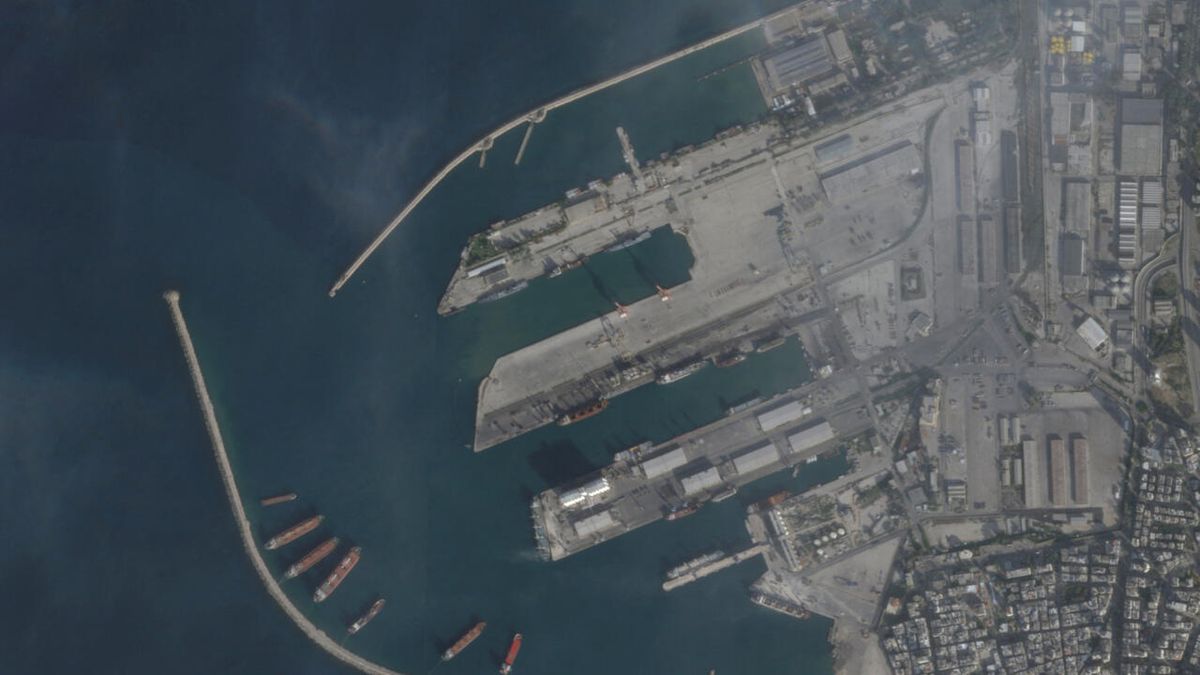
Syria and Russia have reached an agreement to end Moscow's use of two strategic Mediterranean coastal bases as military outposts. The deal, announced by Syria's Foreign Ministry, marks a significant development in Syrian-Russian relations, paving the way for a new phase in their bilateral ties. Under the agreement, Syria will take control of the Hmeimem air base and the commercial berth at Tartus port, while the military facilities at both sites will be converted into joint training and qualification centers.
The agreement represents a reorganization of the Russian presence along Syria's coast, with Moscow seeking to maintain a foothold in the region while acknowledging the changing dynamics of the Syrian landscape. Russia's decision to end its military use of the bases is likely driven by a desire to normalize its relations with the new Syrian leadership, which has been seeking to bolster its ties with the United States, Europe, and neighboring Arab countries. The move also reflects Russia's efforts to adapt to the shifting balance of power in the Middle East, where it faces increasing competition from other regional and global actors.
The agreement has significant implications for the people of Syria, who have borne the brunt of the country's devastating conflict. The conversion of the military facilities into joint training centers may create new economic opportunities and help to stabilize the region. However, the deal also raises concerns about the potential for Russia to maintain a lingering military presence in Syria, which could undermine the country's sovereignty and perpetuate the humanitarian crisis. The Syrian people, who have already suffered greatly during the conflict, will be watching closely to see how the agreement is implemented and whether it will bring about meaningful improvements to their lives.
What is not being explicitly stated in the agreement is the extent to which Russia's withdrawal from the Mediterranean bases is a strategic retreat, driven by its own geopolitical priorities rather than a genuine commitment to Syrian sovereignty. The fact that Russia did not immediately comment on the agreement suggests that there may be more to the story than meets the eye. Additionally, the deal's emphasis on joint training centers raises questions about the potential for Russian military influence to persist in Syria, even if its formal military presence is reduced.
As the agreement is implemented, readers should watch for signs of how the new arrangements will affect the balance of power in the Middle East. Will the deal lead to a significant reduction in Russian military activity in the region, or will Moscow find ways to maintain its influence through other means? How will the Syrian people benefit from the conversion of the military facilities into joint training centers, and what will be the impact on the country's economy and humanitarian situation? The answers to these questions will depend on the details of the agreement and the intentions of the parties involved, making it essential to monitor the situation closely in the coming months.
Editor's Note: The analysis is based on publicly available information and may not reflect the full complexity of the situation on the ground.
Source referenced: FRANCE24
This brief was synthesized by our Editorial Engine and reviewed by The Ground Narrative team.