TRENDING

Sunday, 25 October 2026
----------------------
14 Jumada Al-Awwal 1448 AH
Sudan's joint force, comprising the Sudanese Armed Forces and allied Darfur movements, has announced the recapture of five strategic areas in North Kordofan State from the Rapid Support Forces. This development marks a significant tactical gain for the SAF-led coalition, potentially influencing the broader trajectory of the nation's devastating civil war.
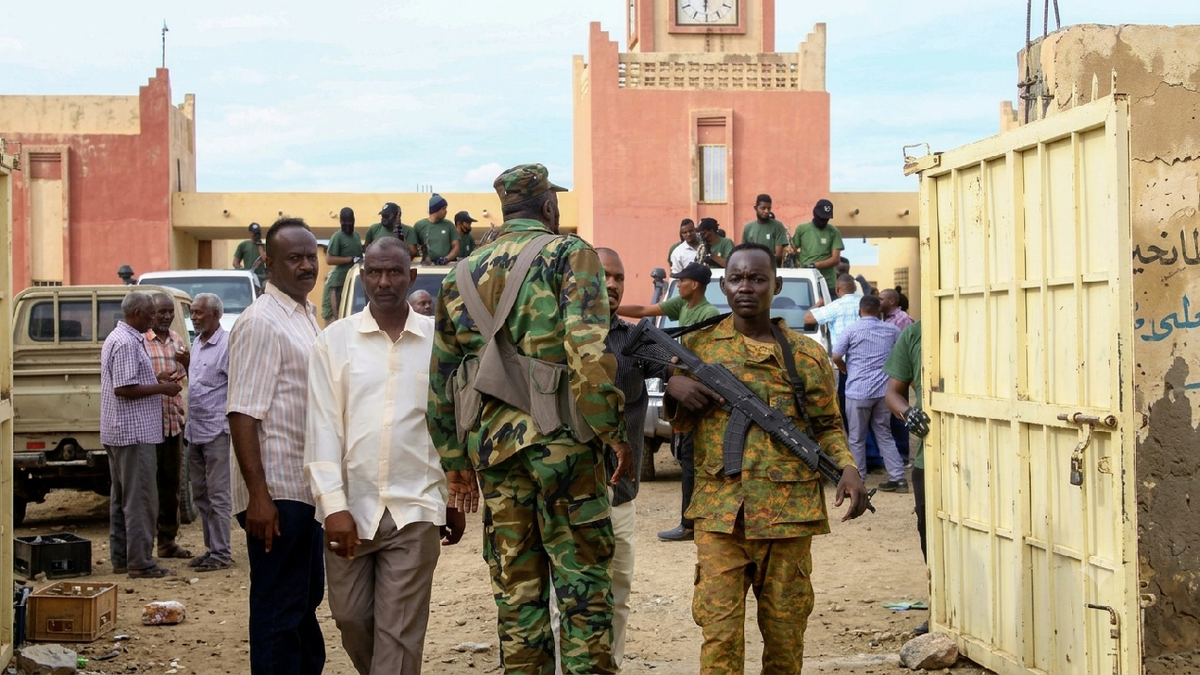
On Saturday, July 26, 2026, a joint force in Sudan declared it had successfully regained control of five critical areas within the central North Kordofan State. The recaptured locations – Bara, Um Sayala, Um Garfa, Jabrat al-Sheikh, and Al-Baraka – were seized from the paramilitary Rapid Support Forces (RSF) following a series of military operations. This offensive, described by the joint force as part of a broader strategy to reclaim territories affected by the ongoing conflict and prevent RSF regrouping, represents a notable development in Sudan's protracted civil war.
The joint force is a coalition comprising the Sudanese Armed Forces (SAF), various Darfur armed movements, and other allied factions. This alliance underscores the complex and fragmented nature of the conflict, where traditional military structures are augmented by regional militias and former rebel groups, each with their own strategic interests and allegiances. The RSF, which has not yet commented on these developments, has been locked in a brutal power struggle with the SAF since mid-April 2023.
North Kordofan is a strategically vital region in central Sudan, serving as a crucial link between the capital Khartoum, the conflict-ridden Darfur region, and the country's southern and western states. Control over North Kordofan provides significant logistical advantages, including access to key supply routes, agricultural lands, and potential resource corridors. For the SAF-led joint force, securing these areas could disrupt RSF supply lines, limit their movement between Darfur and other operational zones, and potentially pave the way for further advances towards more urban centers or critical infrastructure.
The three Kordofan states have been a flashpoint of sustained military escalation since October 2025, highlighting their importance in the overall conflict calculus. The RSF's presence in these areas has allowed them to exert influence over central Sudan, threatening the SAF's hold on the remaining government-controlled territories. The recent recaptures, therefore, could be interpreted as a tactical victory for the SAF and its allies, potentially shifting the momentum in a conflict that has largely seen the RSF make significant gains in various parts of the country, including parts of Khartoum and Darfur.
The conflict, which began with a power struggle between SAF commander General Abdel Fattah al-Burhan and RSF leader General Mohamed Hamdan Dagalo (Hemedti), has devolved into a devastating humanitarian crisis. Tens of thousands of lives have been lost, and millions have been displaced both internally and across international borders, creating immense pressure on neighboring countries and international aid organizations. The involvement of Darfur armed movements alongside the SAF further complicates the conflict's dynamics, potentially reigniting localized ethnic tensions and power struggles within Darfur itself, even as these groups align against a common enemy.
While the recapture of these five areas is a positive development for the SAF coalition, it is crucial to view it within the broader context of a deeply entrenched and highly fluid conflict. The RSF has demonstrated resilience and adaptability throughout the war, often employing guerrilla tactics and leveraging its extensive network of fighters. The ability of the joint force to hold these territories, consolidate its gains, and prevent RSF counter-offensives will be a critical test of its operational capacity and coordination.
From a diplomatic perspective, such military shifts could influence future peace negotiations, which have largely stalled. A stronger position for either side might embolden them to demand more concessions or, conversely, create an opportunity for renewed, more serious dialogue if the balance of power becomes clearer. However, the immediate impact is likely to be continued fighting as both sides vie for strategic advantage. The international community continues to call for a ceasefire and humanitarian access, but these pleas have largely gone unheeded amidst the escalating violence.
In conclusion, the recapture of five areas in North Kordofan by Sudan's joint force represents a significant tactical success, potentially impacting the strategic landscape of the ongoing civil war. It underscores the continued volatility of the conflict and the complex interplay of various armed actors, with profound implications for regional stability and the humanitarian situation in Sudan.
Source referenced: CGTN
This brief was synthesized by our Editorial Engine and reviewed by The Ground Narrative team.


