TRENDING

Monday, 5 October 2026
----------------------
24 Rabi' Al-Thani 1448 AH
A Sudanese medical group has accused the Rapid Support Forces (RSF) of detaining 20 doctors in El Fasher, North Darfur, highlighting the devastating impact of the ongoing conflict on healthcare workers and civilian populations. This alleged action exacerbates an already dire humanitarian situation and raises serious concerns about violations of international humanitarian law.
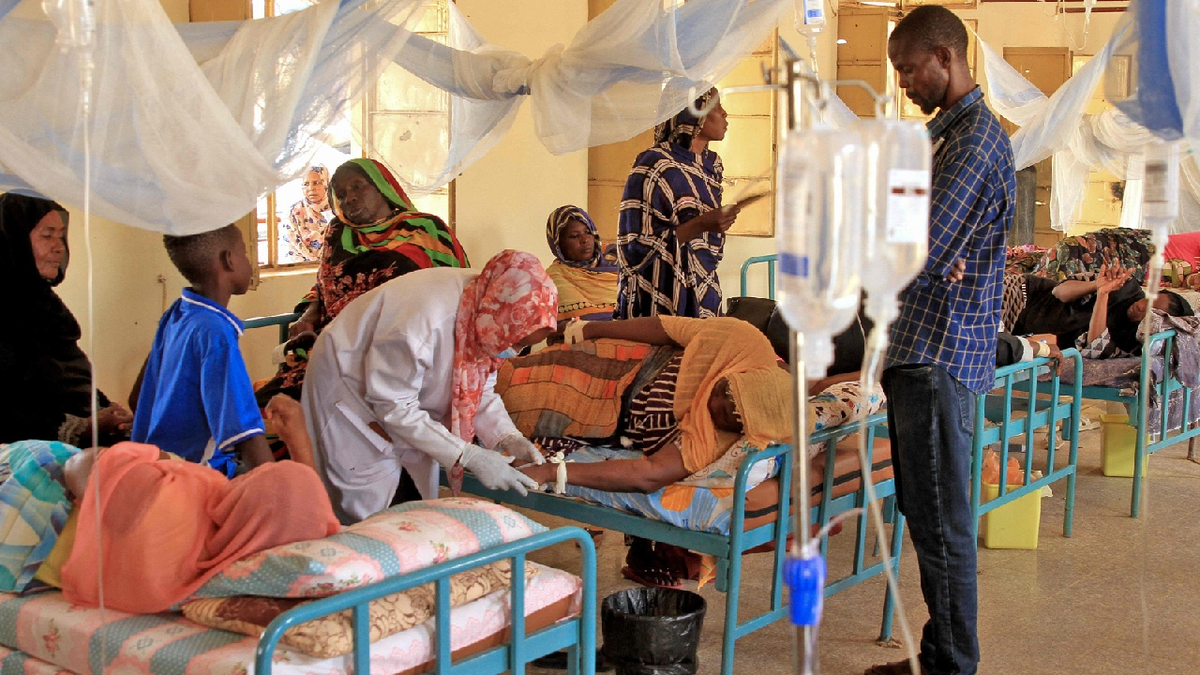
The ongoing conflict in Sudan has reached a critical juncture in El Fasher, North Darfur, where a Sudanese medical group, the Sudan Doctors Network, has leveled grave accusations against the Rapid Support Forces (RSF). The group claims that the RSF has detained 20 doctors, including four women, since taking control of the city in October 2025. This development not only underscores the severe humanitarian crisis gripping Sudan but also brings into sharp focus potential violations of international humanitarian law, with profound implications for regional stability and the future of healthcare in the war-torn nation.
El Fasher, a strategic city in North Darfur, has been a focal point of intense fighting between the Sudanese Armed Forces (SAF) and the RSF. The accusation of detaining medical personnel comes amidst a broader pattern of violence that has disproportionately affected civilians and essential service providers. According to the Sudan Doctors Network, 25 medical personnel were killed in North Darfur between the outbreak of war in April 2023 and the RSF's takeover of El Fasher in October 2025. Across Sudan, over 235 medical personnel have been killed or reported missing since the conflict began, painting a grim picture of the risks faced by those attempting to provide life-saving care.
The alleged detention of these 20 doctors, whose whereabouts remain unknown, deals a severe blow to an already decimated health system. Healthcare workers in El Fasher and other conflict zones have continued to operate under unimaginable conditions, enduring bombardments, armed clashes, sieges, and critical shortages of medical supplies. The removal or disappearance of medical staff further cripples the capacity to treat the wounded, manage disease outbreaks, and provide basic healthcare, thereby escalating the suffering of civilian populations trapped by the conflict.
The targeting or detention of medical personnel and facilities in armed conflict is a serious breach of international humanitarian law, specifically the Geneva Conventions, which mandate the protection of medical workers and their impartiality. If confirmed, the RSF's actions could constitute war crimes, inviting condemnation from international bodies and potentially leading to calls for accountability. Such actions not only undermine the fundamental principles of humanitarian aid but also set a dangerous precedent for future conflicts, where the sanctity of medical neutrality is increasingly eroded.
From a geopolitical perspective, the situation in El Fasher highlights the brutal nature of the power struggle between the SAF and RSF, which has plunged Sudan into a protracted civil war. The RSF's alleged tactics, including the detention of doctors, may be interpreted as an attempt to exert control, intimidate the local population, or deny essential services to areas perceived as hostile. This strategy of collective punishment and disregard for civilian welfare further destabilizes the region, contributing to massive displacement, refugee flows into neighboring countries, and a broader humanitarian crisis that strains international resources and attention.
The Sudan Doctors Network has issued an urgent appeal for the protection of healthcare workers, emphasizing that their safety is paramount for maintaining vital medical services in conflict-affected communities. They have specifically urged the Rapid Support Forces to disclose the whereabouts of the missing doctors in El Fasher and to allow healthcare personnel to conduct their humanitarian work without intimidation or attacks. This call resonates with international humanitarian organizations and human rights advocates who have consistently highlighted the need for unimpeded humanitarian access and the protection of civilians and aid workers.
The long-term consequences of such actions are dire. The systematic destruction of Sudan's healthcare infrastructure and the targeting of its professionals will have a lasting impact on the country's ability to recover and rebuild, even if the conflict were to end today. It creates a 'brain drain' of essential medical expertise, leaving future generations vulnerable to preventable diseases and inadequate care. The international community faces a critical challenge in pressuring all parties to the conflict to adhere to international law, ensure humanitarian access, and protect those dedicated to saving lives amidst the chaos of war. The fate of the detained doctors in El Fasher serves as a stark reminder of the urgent need for a diplomatic resolution and robust international oversight to prevent further atrocities and safeguard the remnants of Sudan's vital public services.
Source referenced: CGTN
This brief was synthesized by our Editorial Engine and reviewed by The Ground Narrative team.